Child Headshots: A Practical Guide for Parents
By a kids casting agent & commercial videographer | The FAM
If you’re starting to explore modeling or acting opportunities for your child, one of the first things you’ll be asked for is a headshot.
And this is usually where parents get overwhelmed.
What kind of photos do you actually need? Do they have to be professional? What should your child wear? How do you make sure they don’t look over-posed or unnatural?
I work with kids and families regularly, and I’ll walk you through this in the simplest, most practical way—so you can make confident decisions without overcomplicating the process.
Why Headshots Matter (More Than You Think)
Your child’s headshot is their first audition.
Before they ever meet a casting director or agent, their photo is doing the work:
It gets them noticed
It communicates personality
It helps casting imagine them in a role or campaign
I’ve personally seen kids get booked directly from their photos alone.
But here’s something I always tell parents:
👉 You don’t need perfect or expensive photos to start.
👉 You do need honest, clear, current photos.
If your child has a strong, natural look, even a simple, well-lit snapshot can be enough for initial agency and casting submissions.
Once your child is signed, that’s when agencies and casting usually suggest professional headshots.
What a Great Headshot Actually Looks Like
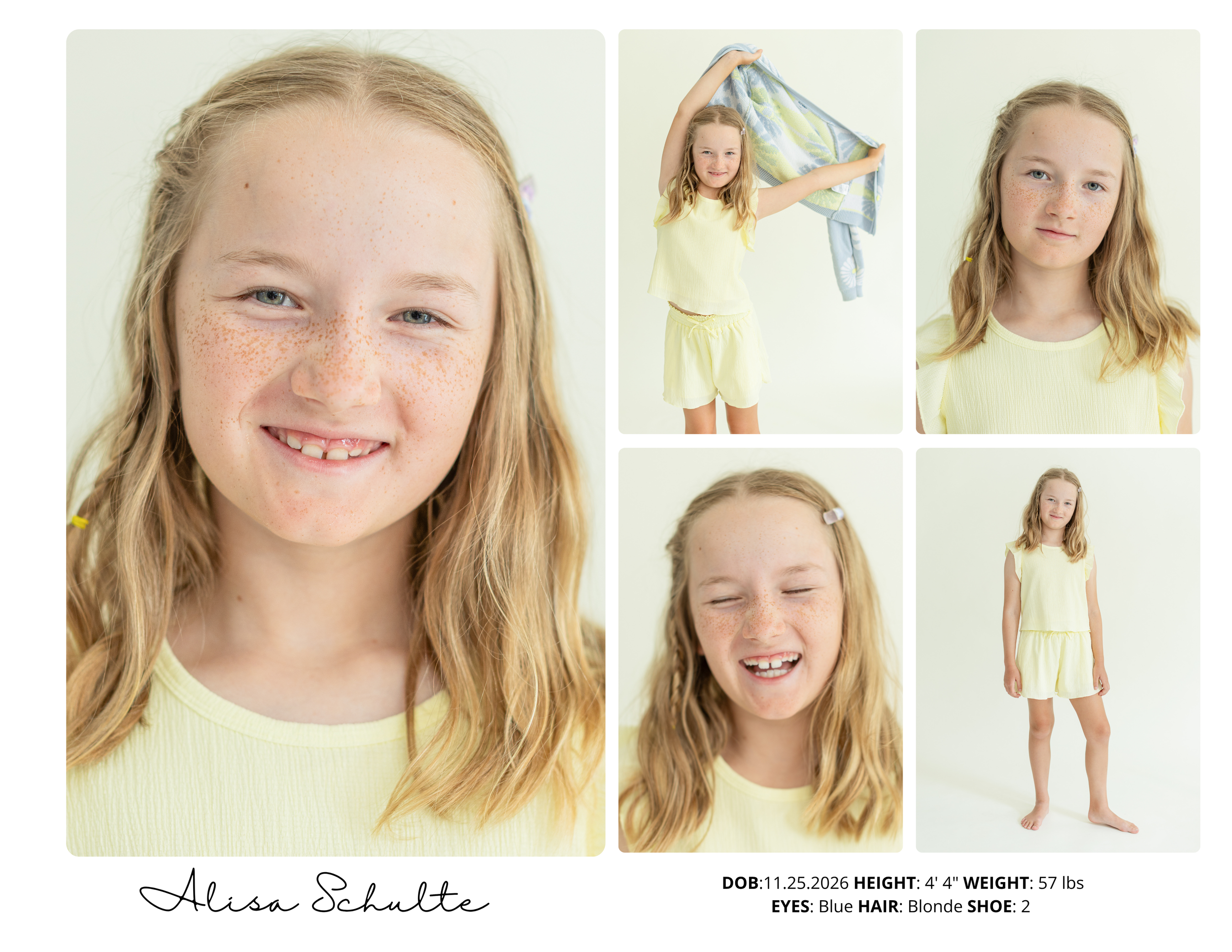
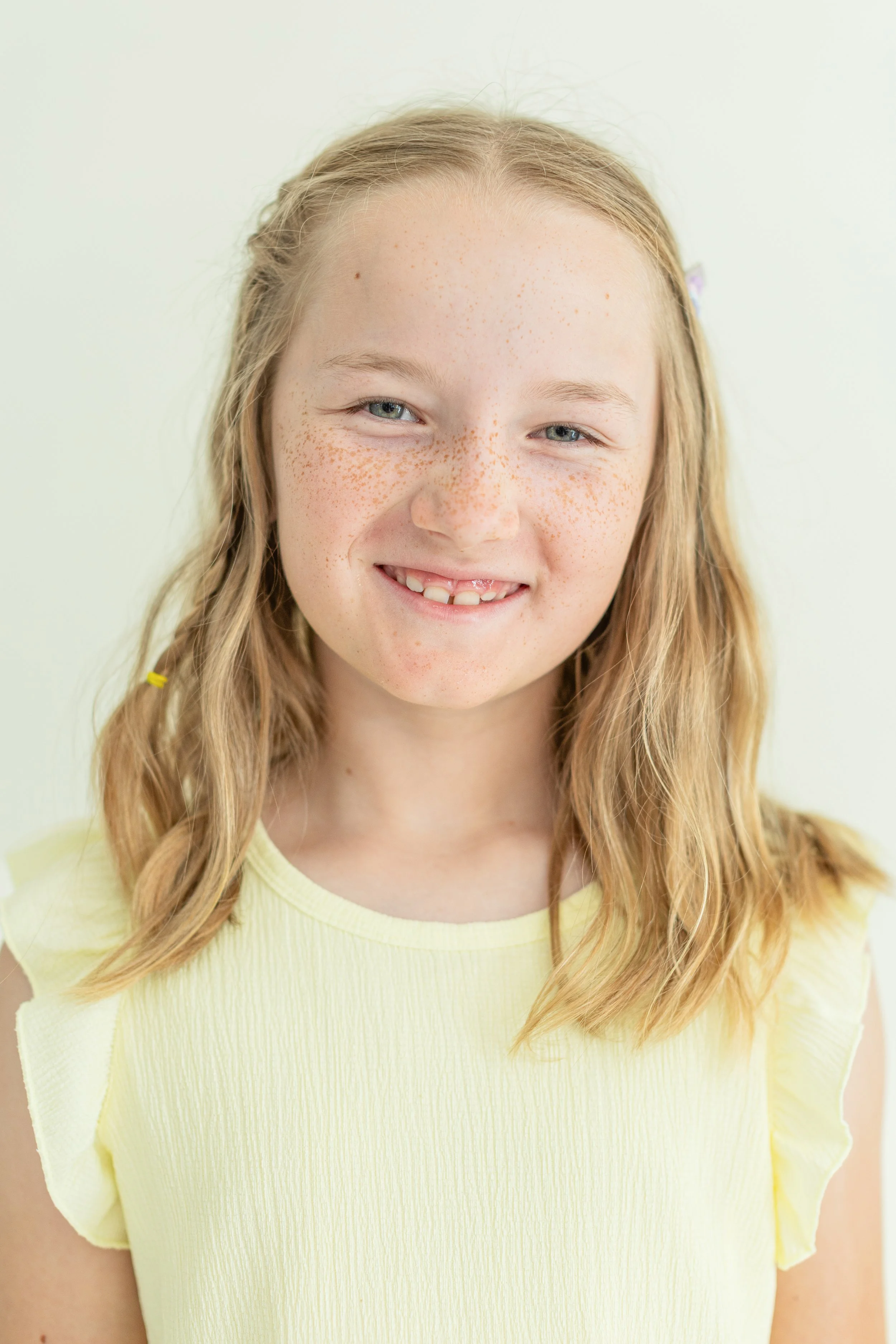
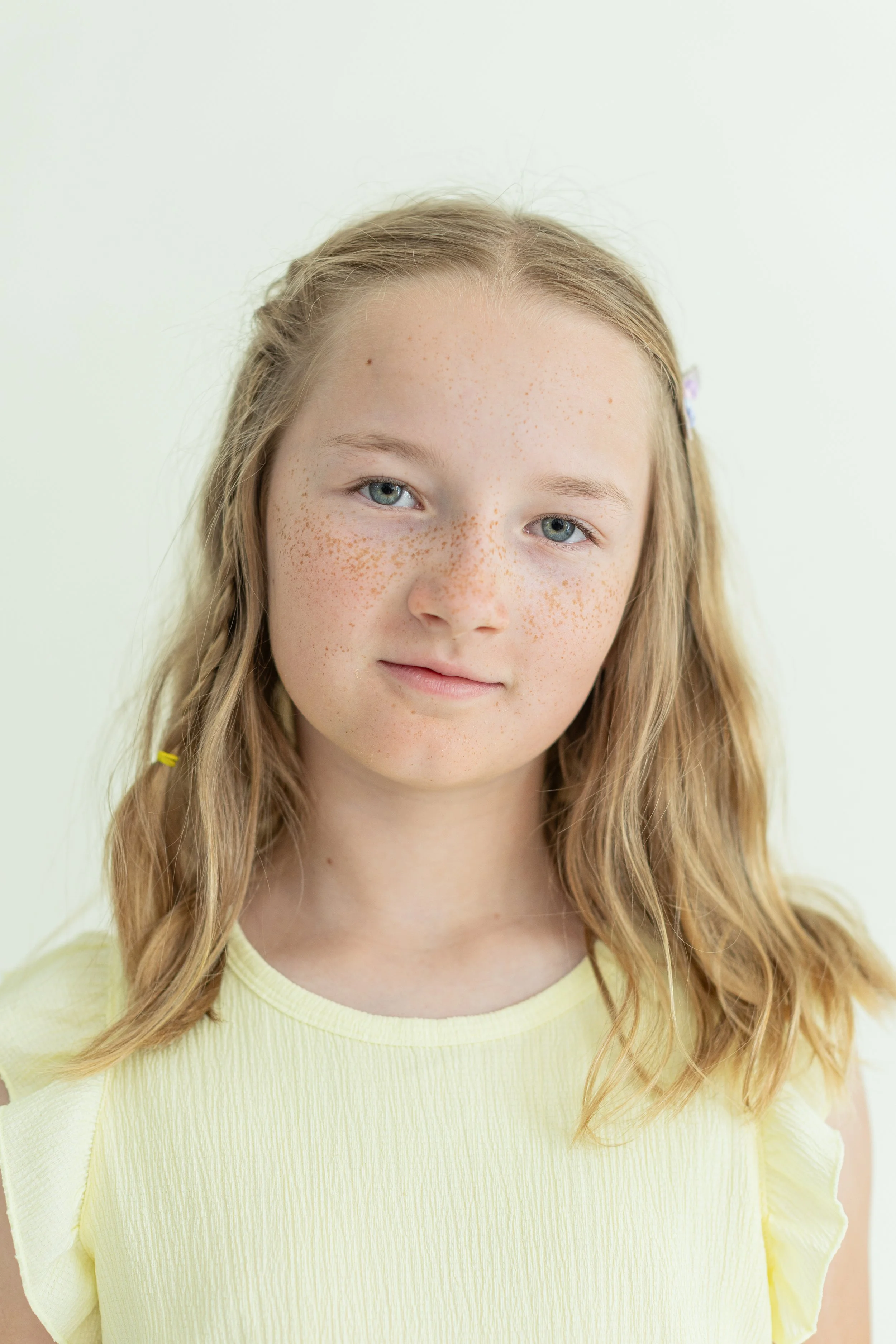
This might surprise you—but the best headshots are the simplest ones.
A strong headshot should:
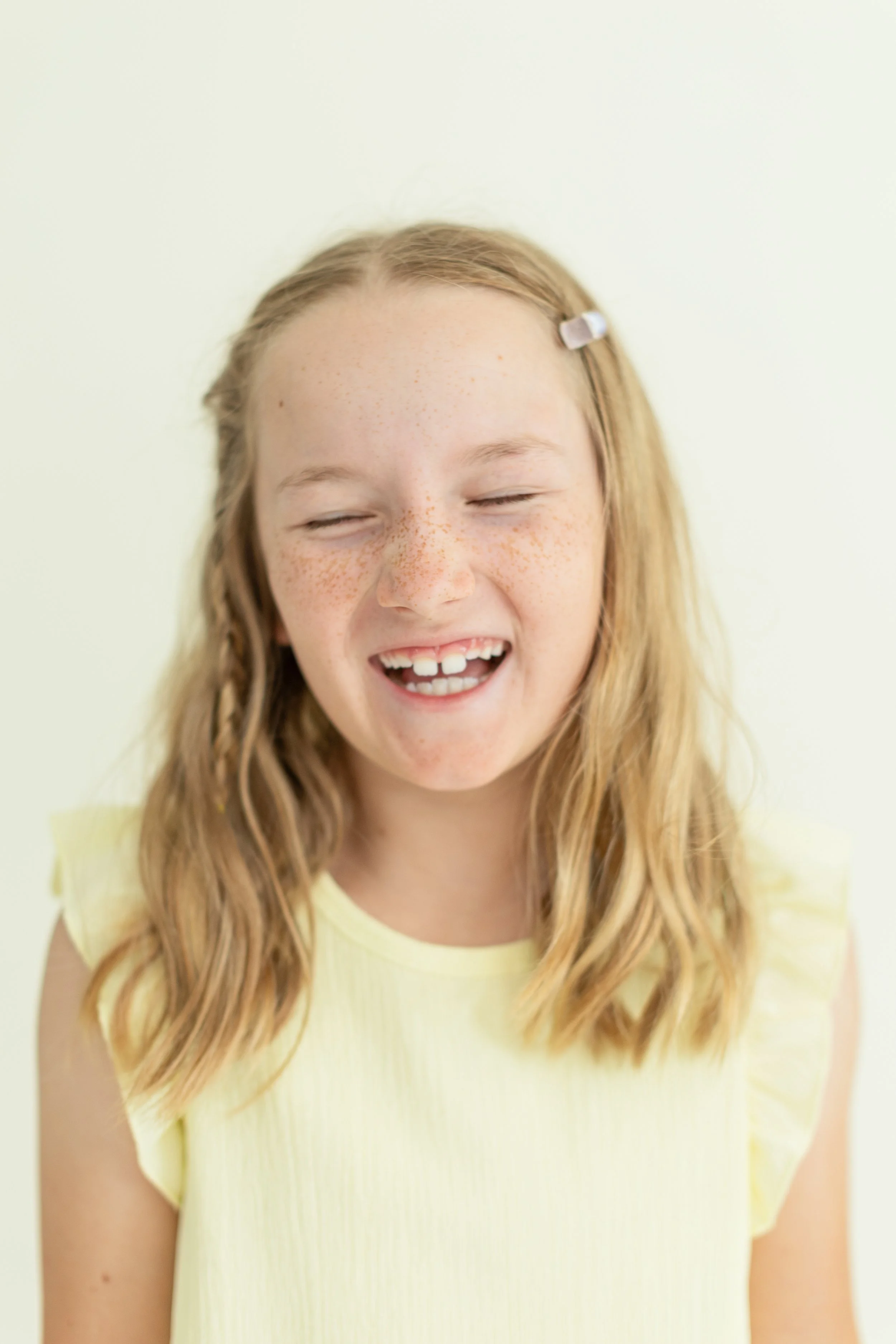
Look exactly like your child in real life
Show their natural expression (not a forced smile)
Feel clean and distraction-free
If your child walks into a casting and looks different from their photo, it creates friction immediately.
Casting isn’t looking for “perfect.”
They’re looking for real and reliable.
Lifestyle Images vs. Professional Headshots vs. Dance Portfolio
Parents often mix these up, so let’s make it clear.
Lifestyle Images
These are natural, story-driven photos:
Shot outdoors or in real environments
Movement, candid moments, personality
Great for brands and social content
They show how your child lives.
Professional Headshots
These are focused and intentional:
Clean background
Framed on the face (sometimes shoulders/chest)
Direct connection with the camera
They show how your child can be cast.
A Quick Note for Dance Moms
This is one of the biggest mix-ups I see.
Dance photos and model headshots are completely different tools.
Dance portfolio images are:
Posed (leaps, turns, dramatic lines)
Styled (stage makeup, hair, costumes)
Performance-focused
Model/actor headshots are the opposite:
Neutral posture (no poses, no angles)
Clean face (no stage makeup)
Simple clothing (not costumes or leotards)
Direct eye contact with the camera
Focused on personality, not technique
Even things like expression are different—dance photos are often intense or dramatic, while headshots are natural and relaxed.
Casting is not evaluating your child’s skill level in a headshot.
They’re asking: Can we see this child in a real-life role?
So while dance images are great for auditions and training portfolios, they should not replace or be submitted as headshots.
What You Actually Need
If you’re building a strong portfolio, you want both lifestyle and headshots—but headshots are the foundation for getting in the door.
What a Full Session Should Include
When I shoot with kids, I never limit it to just one type of image.
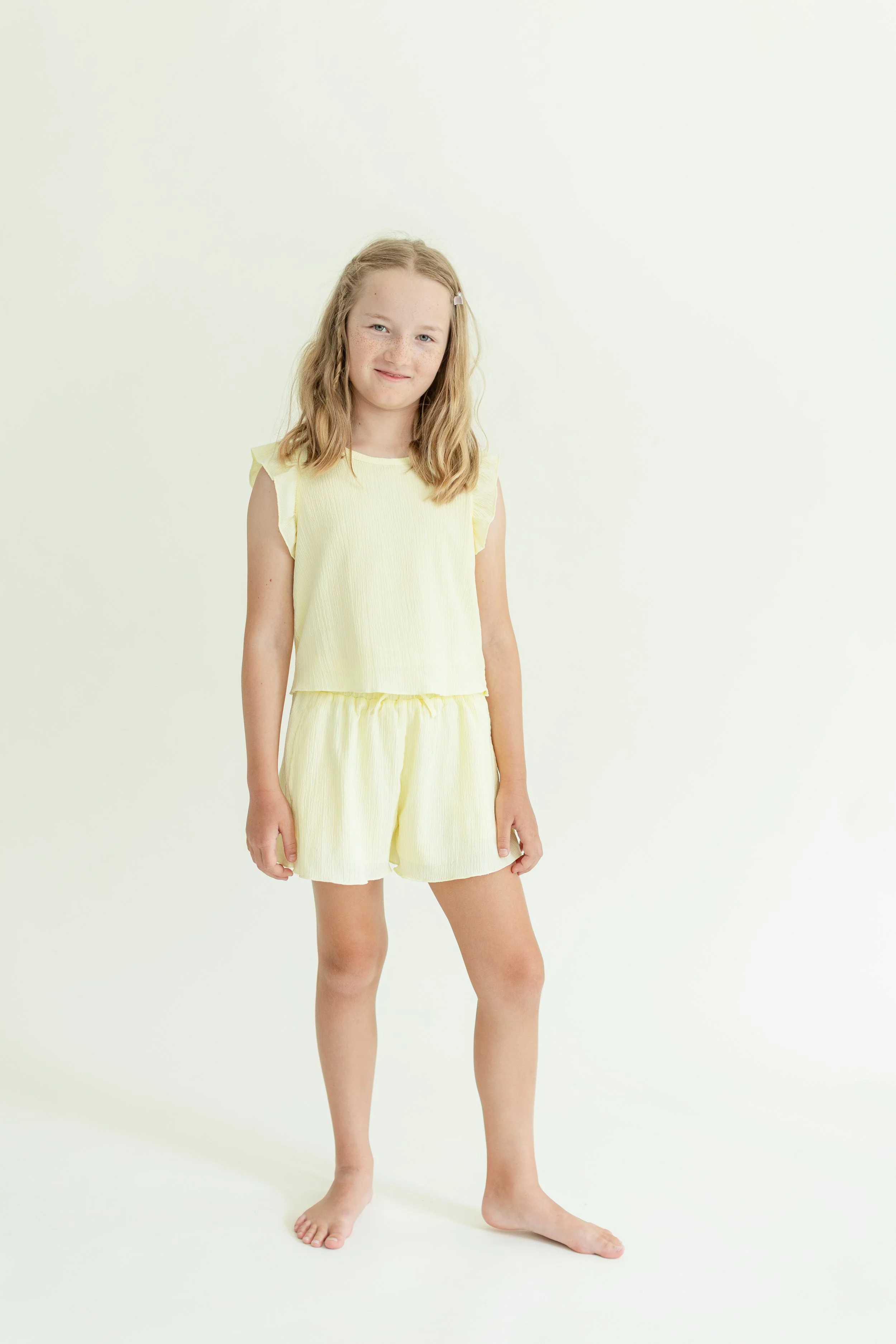
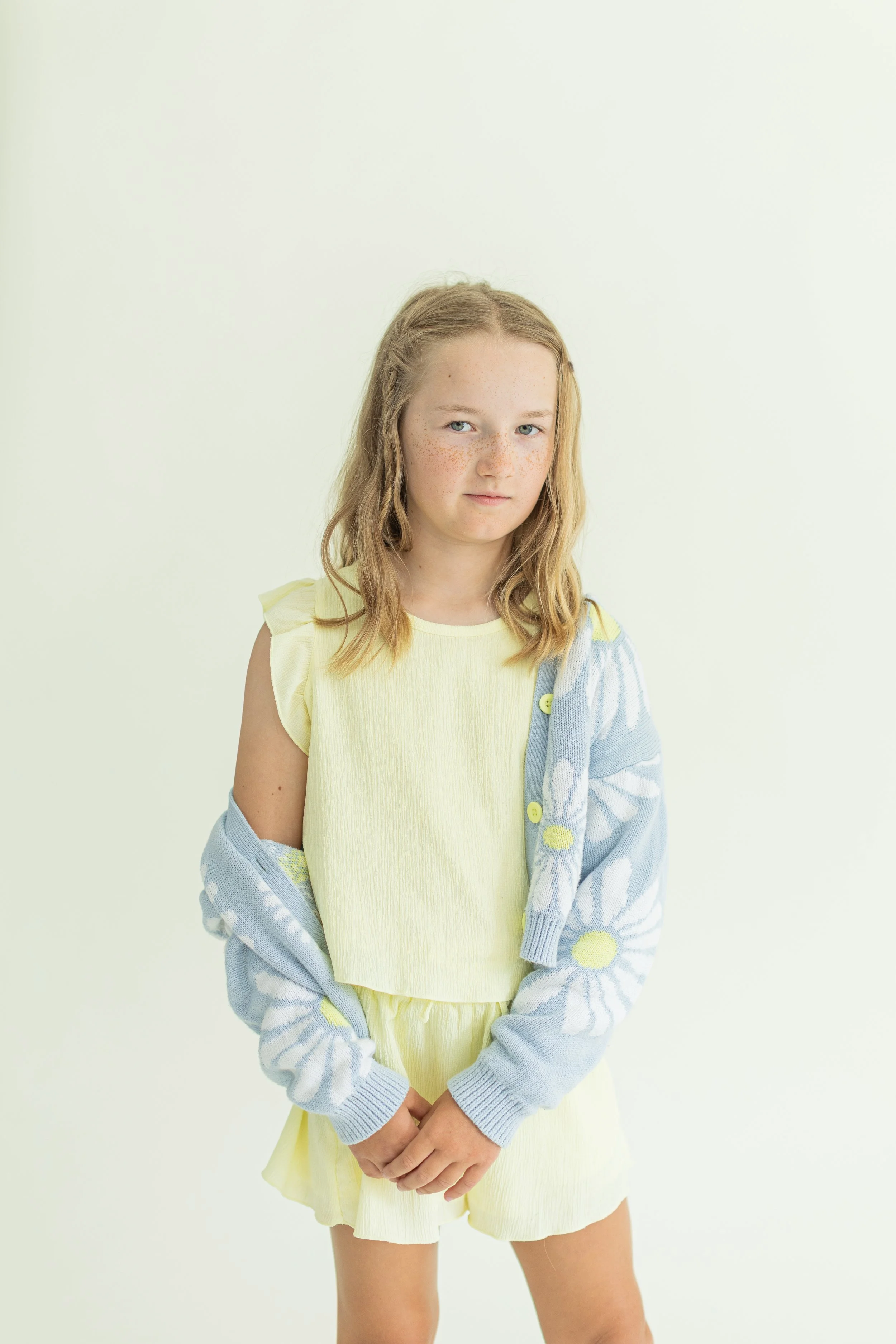
A well-rounded session typically includes:
Headshots
3/4 body shots
Full body images
A range of expressions (playful, calm, serious, joyful)
This gives agencies and clients options—and shows your child’s range without forcing anything.
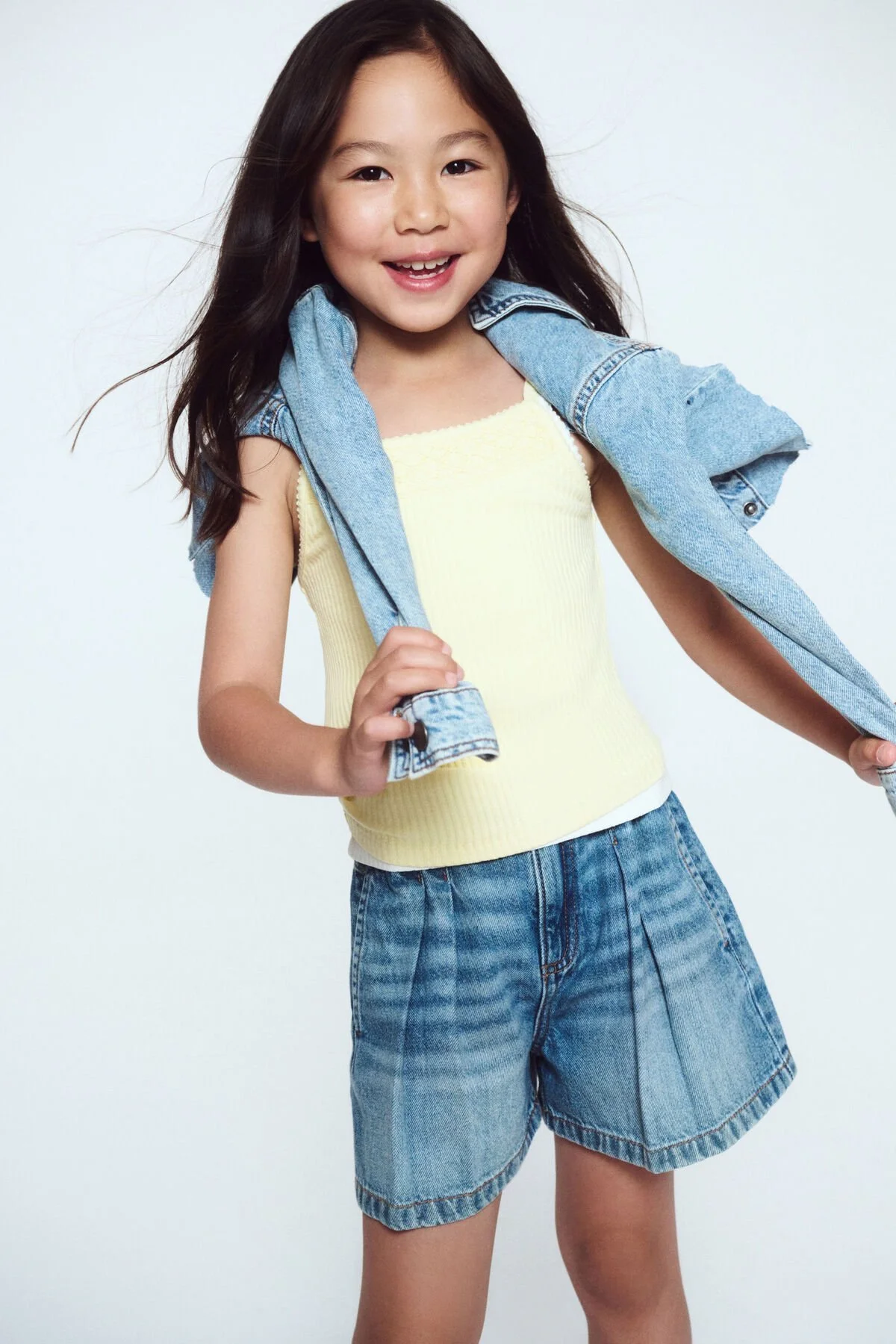
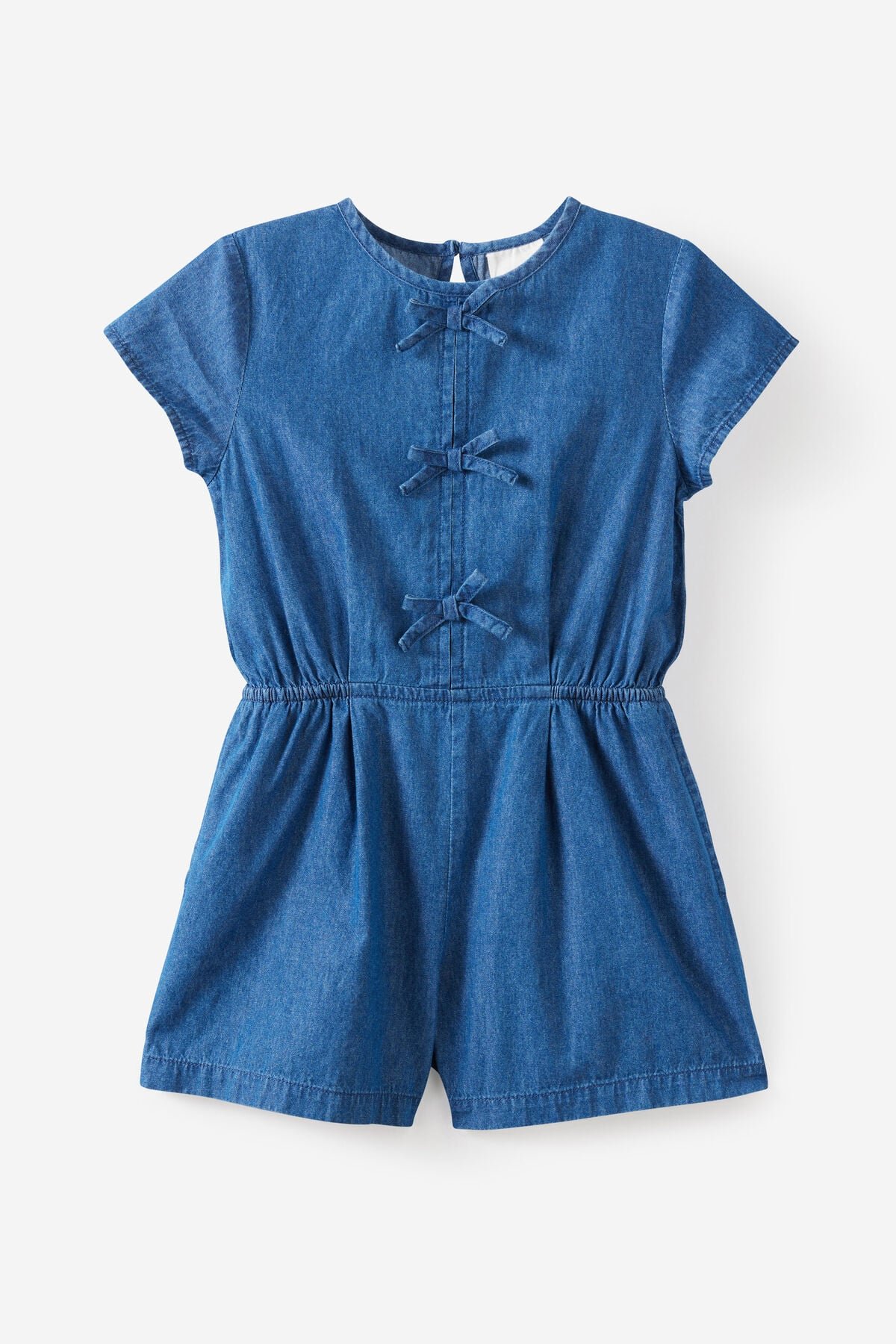
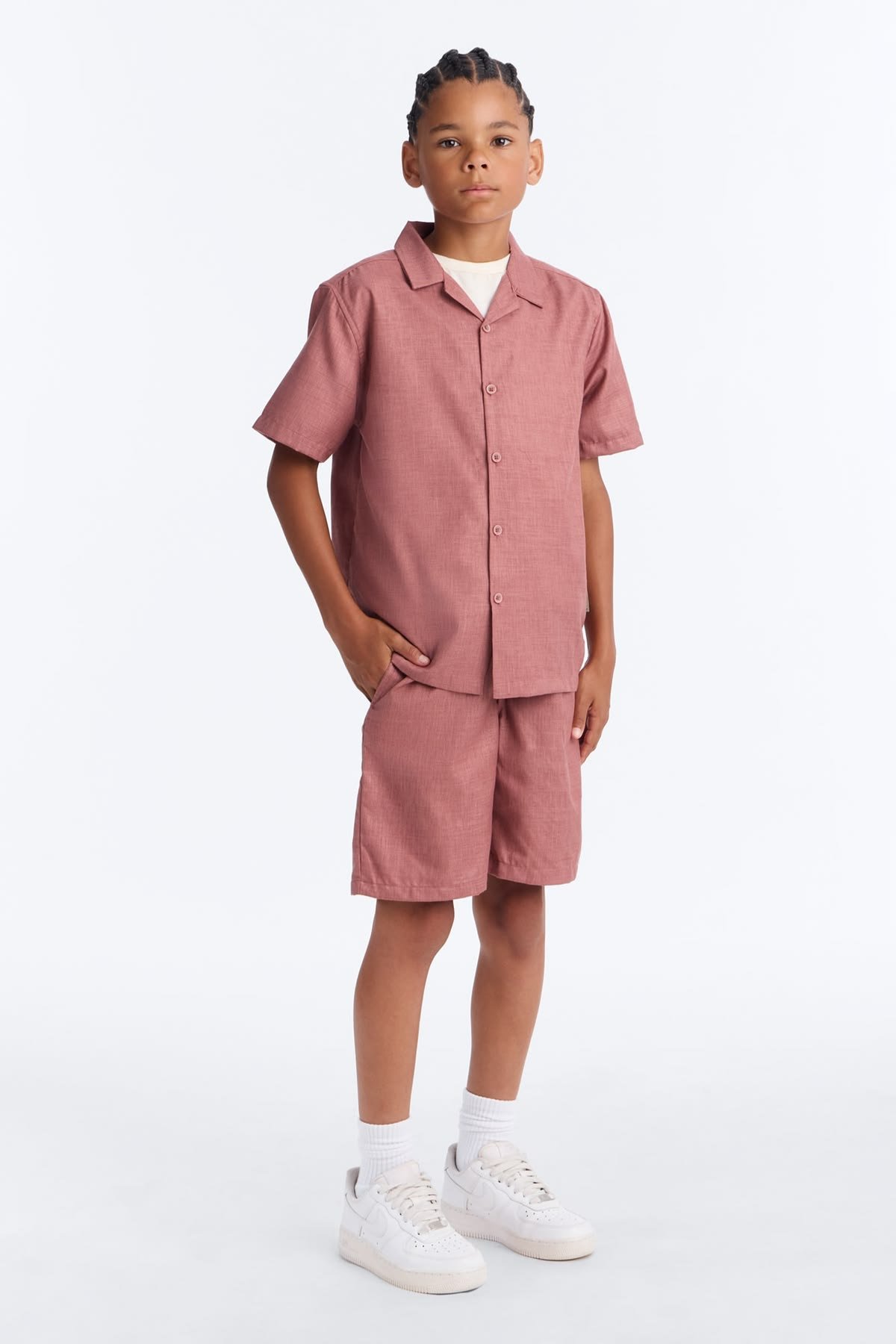
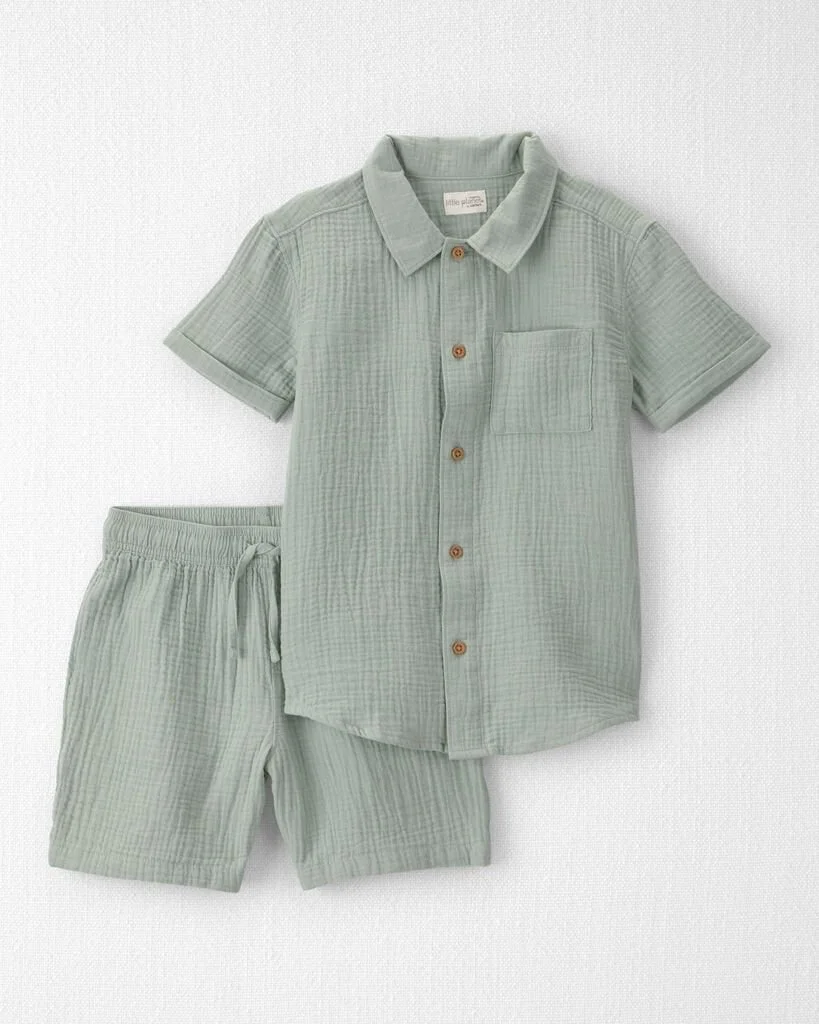
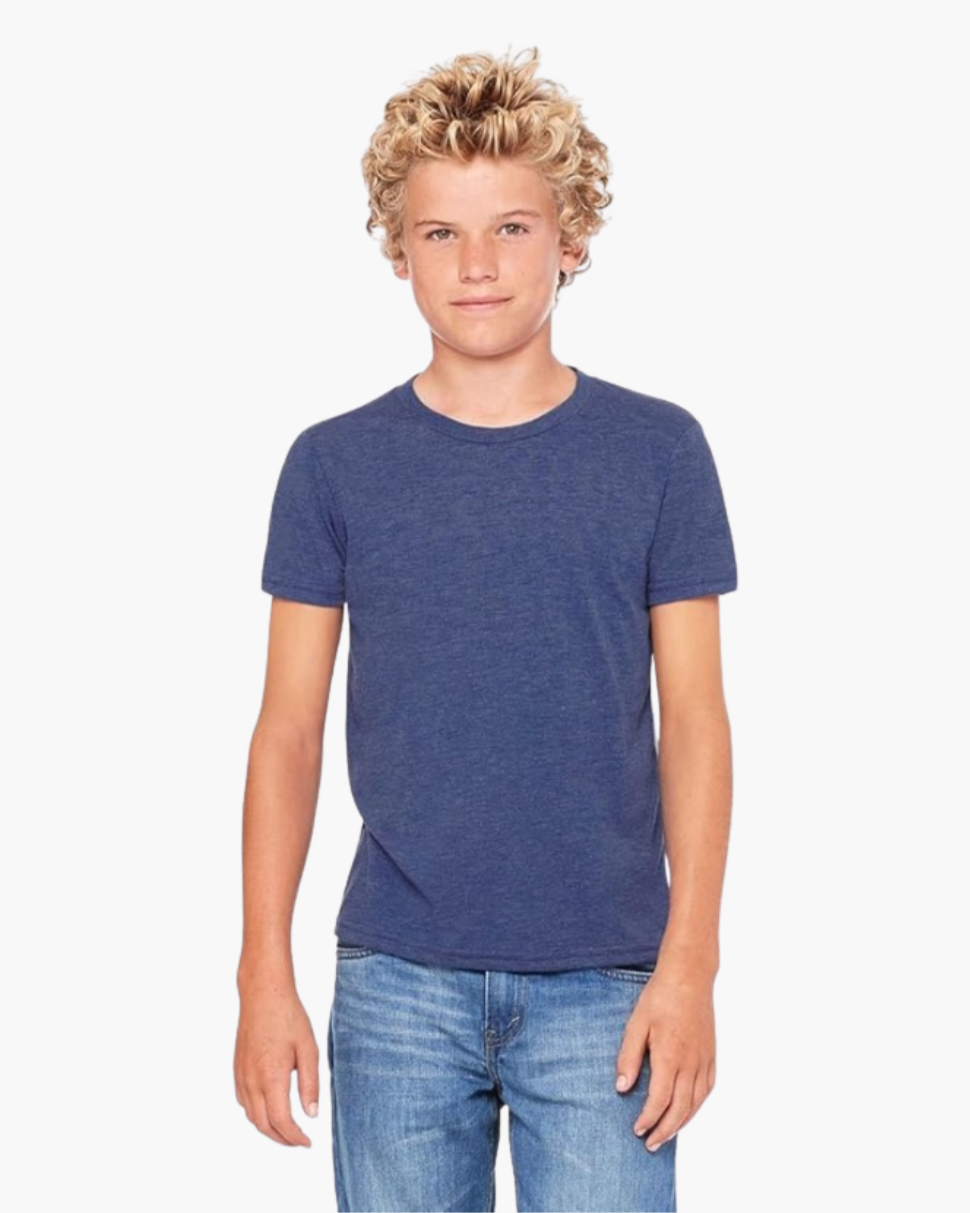
What to Wear (Keep It Simple, Always)
Wardrobe is where I see the most common mistakes—and it’s usually from overthinking.
Here’s the rule I follow on every shoot:
👉 The clothes should never be louder than the child.
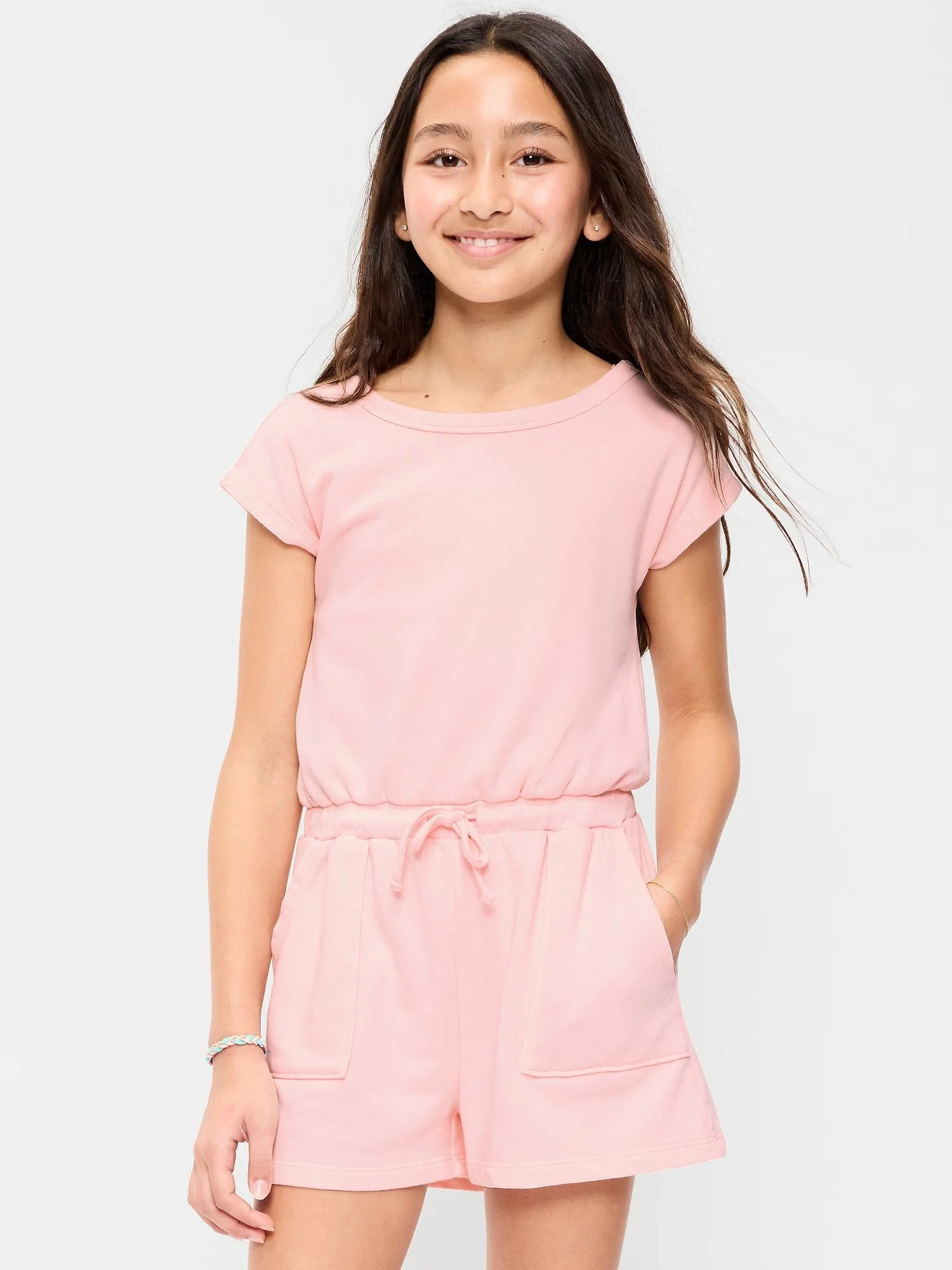
What Works Best
Solid colors (they photograph cleanly)
Bright tones for commercial, darker tones for more serious looks
Simple necklines like crew, scoop, or V-neck
Light layers (denim jacket, flannel, hoodie)
Well-fitted clothing
What to Avoid
Neon colors (they reflect onto the skin)
Bright red (can dominate the image)
Busy patterns or logos
Bulky or oversized outfits
High necklines like turtlenecks
What I Recommend Bringing
3–5 outfit options
Proper undergarments for each look
Glasses (if they wear them—ideally without lenses to avoid glare)
Having options gives flexibility, but we always narrow it down to what photographs best.
Hair & Makeup: Less Is More
This is non-negotiable in my approach.
Kids (up to ~13)
No makeup
Clean, natural hair
Teens
Very light makeup if needed (just to even skin tone)
No heavy or glam looks
The goal is simple:
👉 Your child should look exactly the same when they walk into a casting.
How I Work With Kids on Set
Most kids aren’t models—and that’s actually a good thing.
The goal is not to “pose” them. It’s to bring out who they already are.
During sessions, I:
Keep things relaxed and playful
Avoid forcing smiles
Let kids move, reset, and be themselves
Guide gently instead of directing rigidly
The best expressions always come from moments that feel real—not staged.
How to Prepare Your Child
You don’t need to over-prepare—but a few small things make a big difference:
Make sure they’re well-rested
Bring snacks and water
Keep the mood light (no pressure or expectations)
If a child feels like they’re being tested, it shows.
If they feel like they’re just having a fun experience, that’s when the magic happens.
How Often Should You Update Headshots?
Kids change quickly—sometimes faster than you expect.
As a general rule:
Update every 12–18 months
Sooner if there’s a noticeable change in look (hair, height, features)
Keeping photos current is one of the easiest ways to stay competitive.
Final Thought
The biggest misconception I see is parents trying to create a “perfect” image.
But casting isn’t looking for perfect.
They’re looking for:
Real
Relatable
Recognizable
A great headshot doesn’t transform your child—it represents them honestly, on their best day.
And when you get that right, everything else becomes much easier.