How to Take a Great Digital at Home: A Practical Guide for Families and Kids
By the FAM | Florida Family & Kids Casting Experts
We say it often and we mean it: natural, at-home photos are a perfectly valid way to get started with us. You do not need a professional shoot to submit your child or family. A good phone camera, the right setup, and a few minutes of intention can produce exactly what we need to see.
That said, we want to be genuinely helpful here, because there is a real difference between a natural photo that works well for a casting submission and a cute photo that is not as usable. This post is our honest, practical guide to taking the best possible at-home digital, so that when you send us something, it is something we can truly work with.
One thing to clear up before we get into it: a digital is not the same thing as a portfolio shoot, and it is not trying to be. A portfolio shoot is a professional production with a photographer, direction, styling, and intentional creative output. A digital is a clean, current, honest representation of what your child or family looks like right now. Simple. Straightforward. No frills. Casting companies appreciate having both, and when we say natural photos are great to start, this is exactly the kind we mean and the kind we can really work with.
Here is what we are looking for and how to get there.
What We Want to See
Before we get into the specifics, it helps to understand what a casting company is trying to assess when they look at a digital. We want to see your child or family clearly. We want to see their natural look, their features, their proportions, and how they present themselves. We want current photos that reflect what they look like today, not six months ago. And we want images that are clean and simple enough that nothing is competing with the person we are trying to evaluate.
That is it. We are not looking for stunning editorial content, creative angles or styled moments. We are looking for an honest, clear, well-lit window into what your child or family actually looks like. Keep that in mind as you read everything that follows.
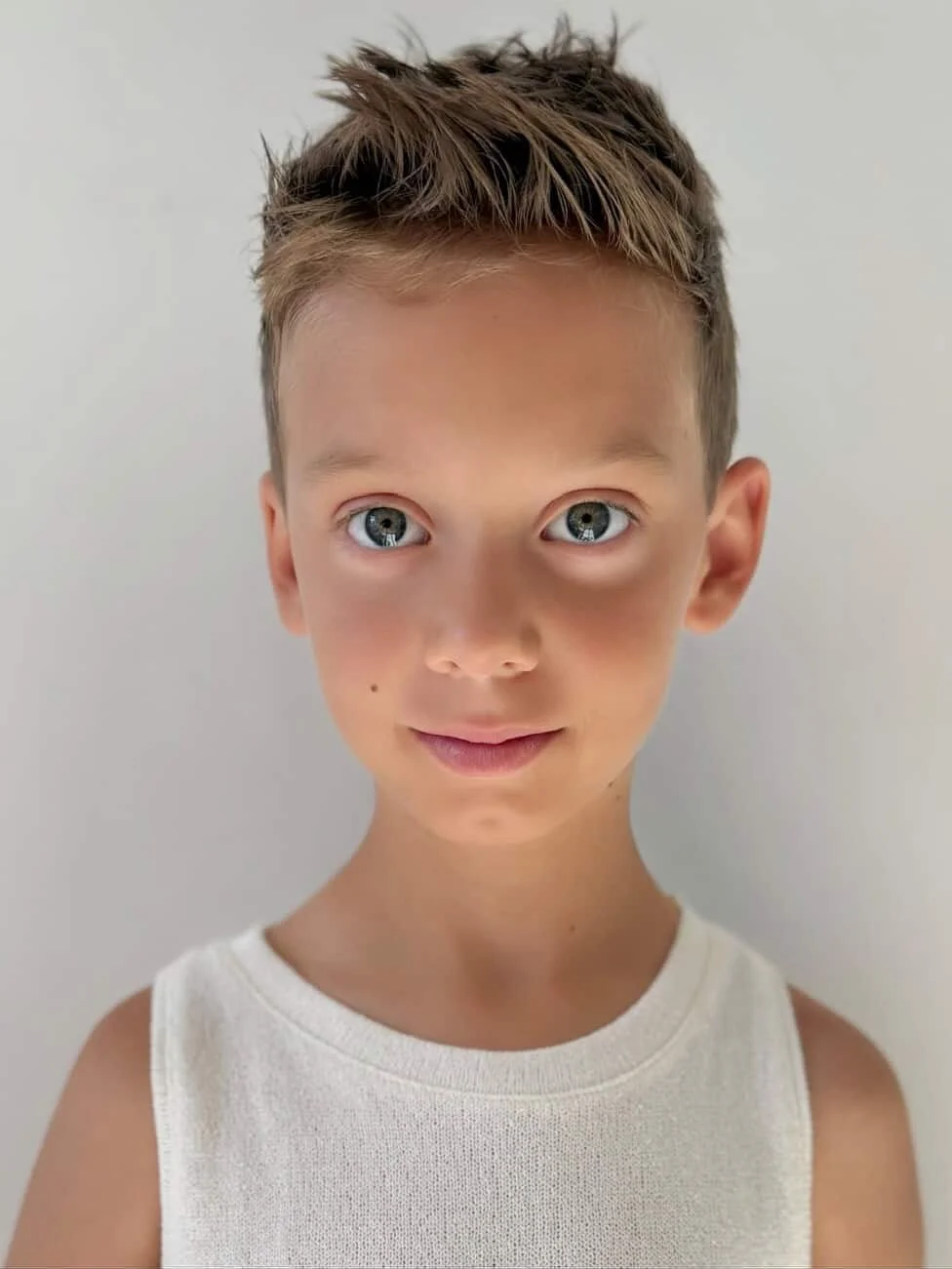
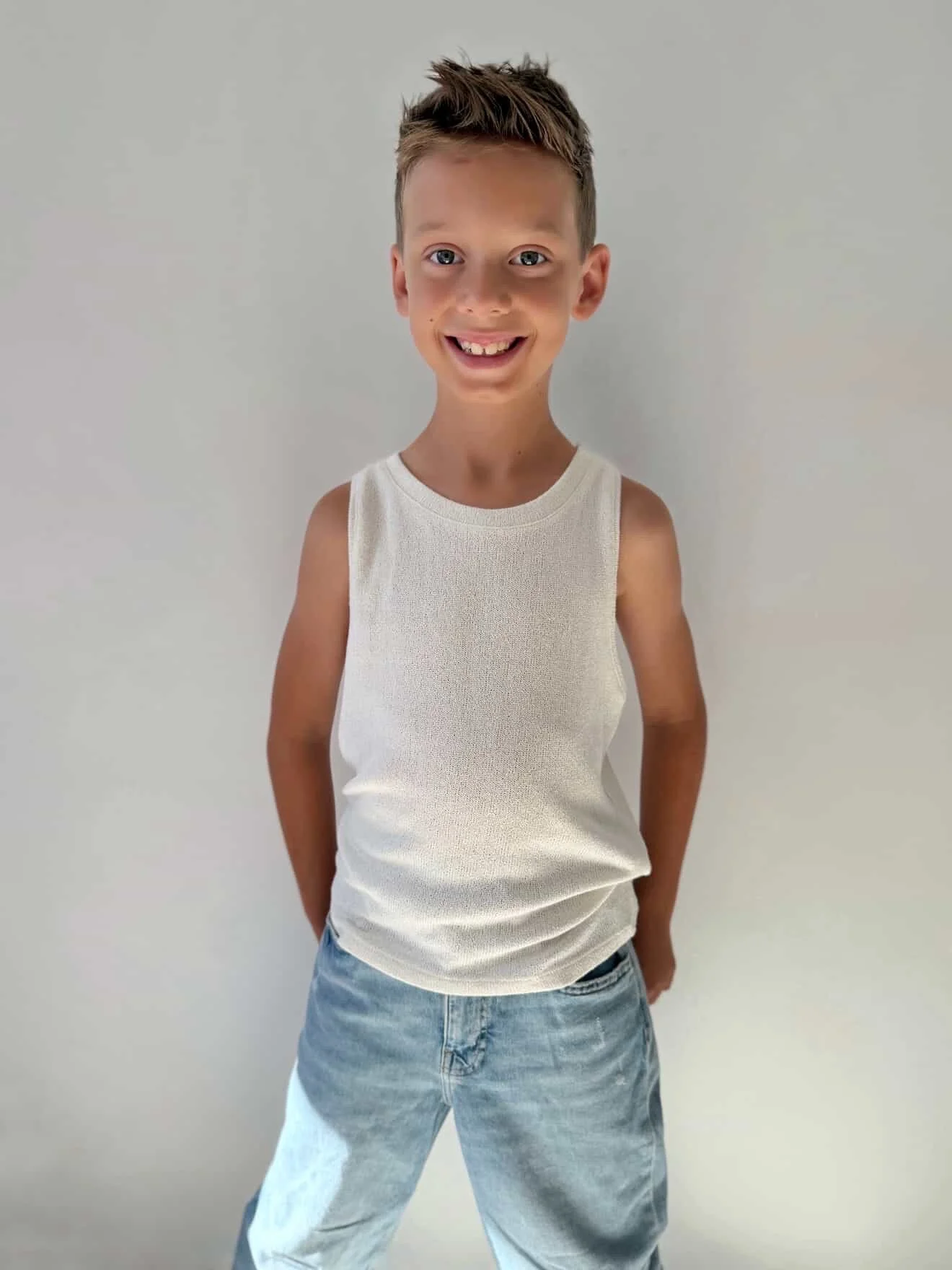
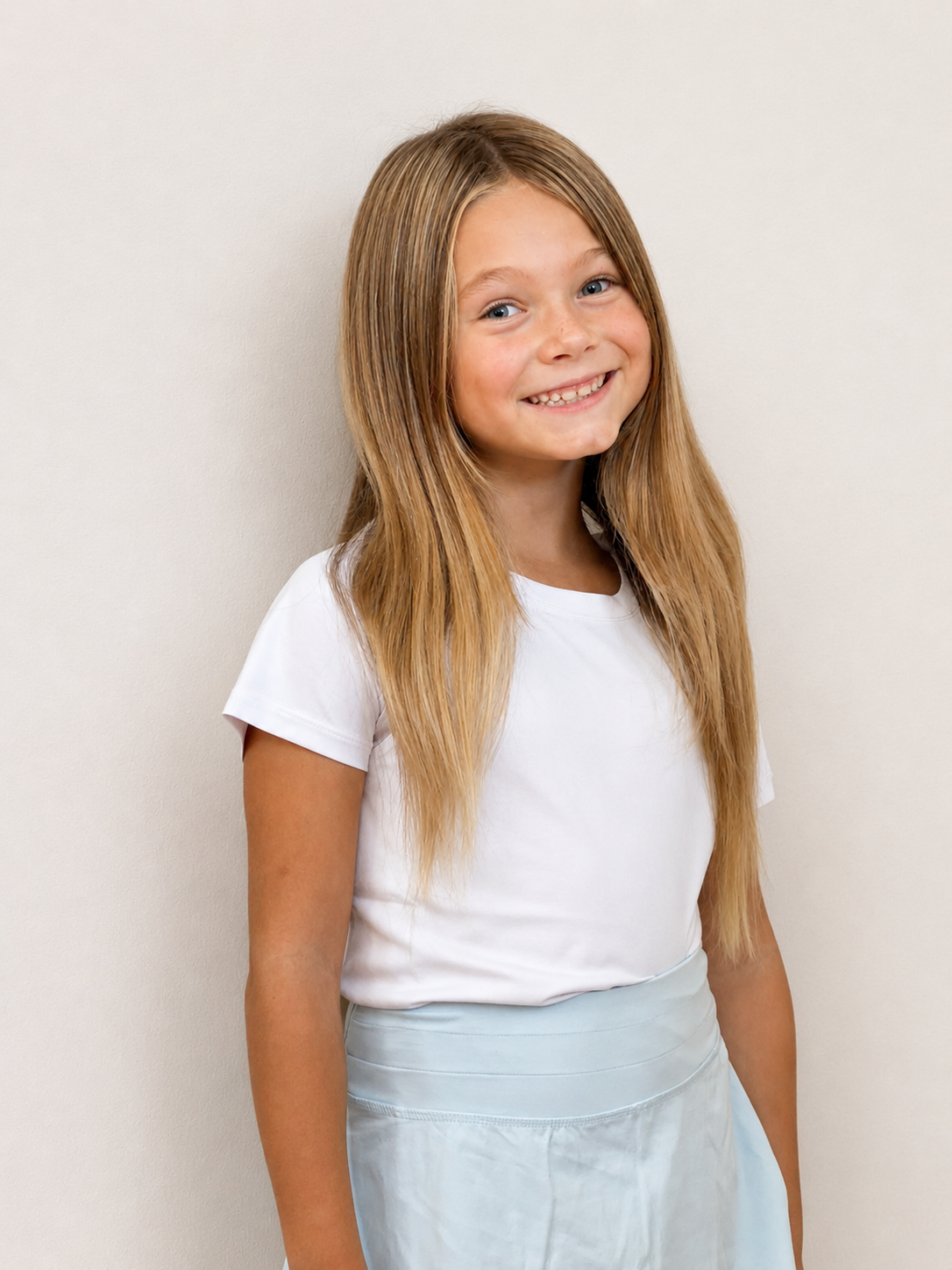
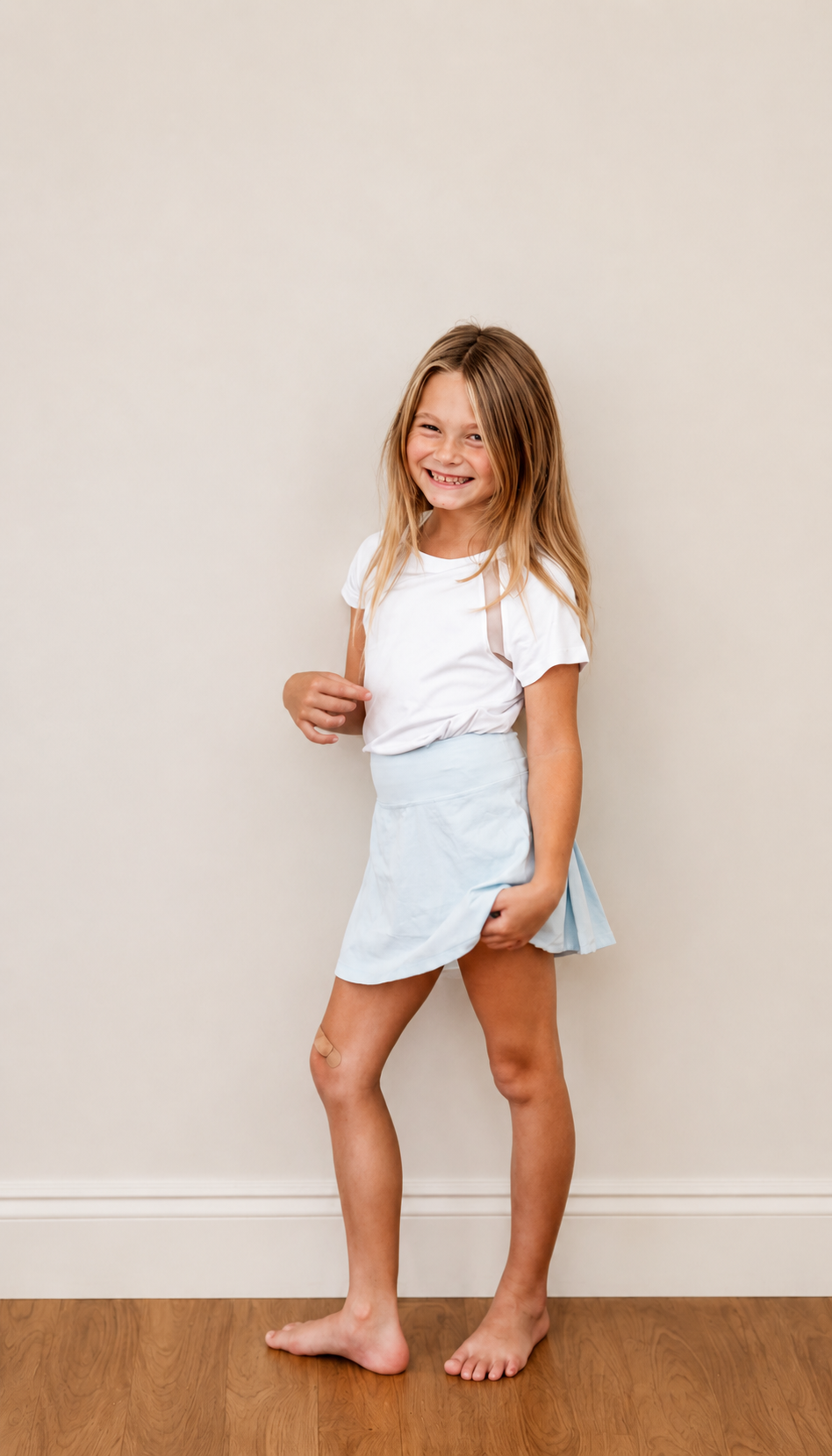
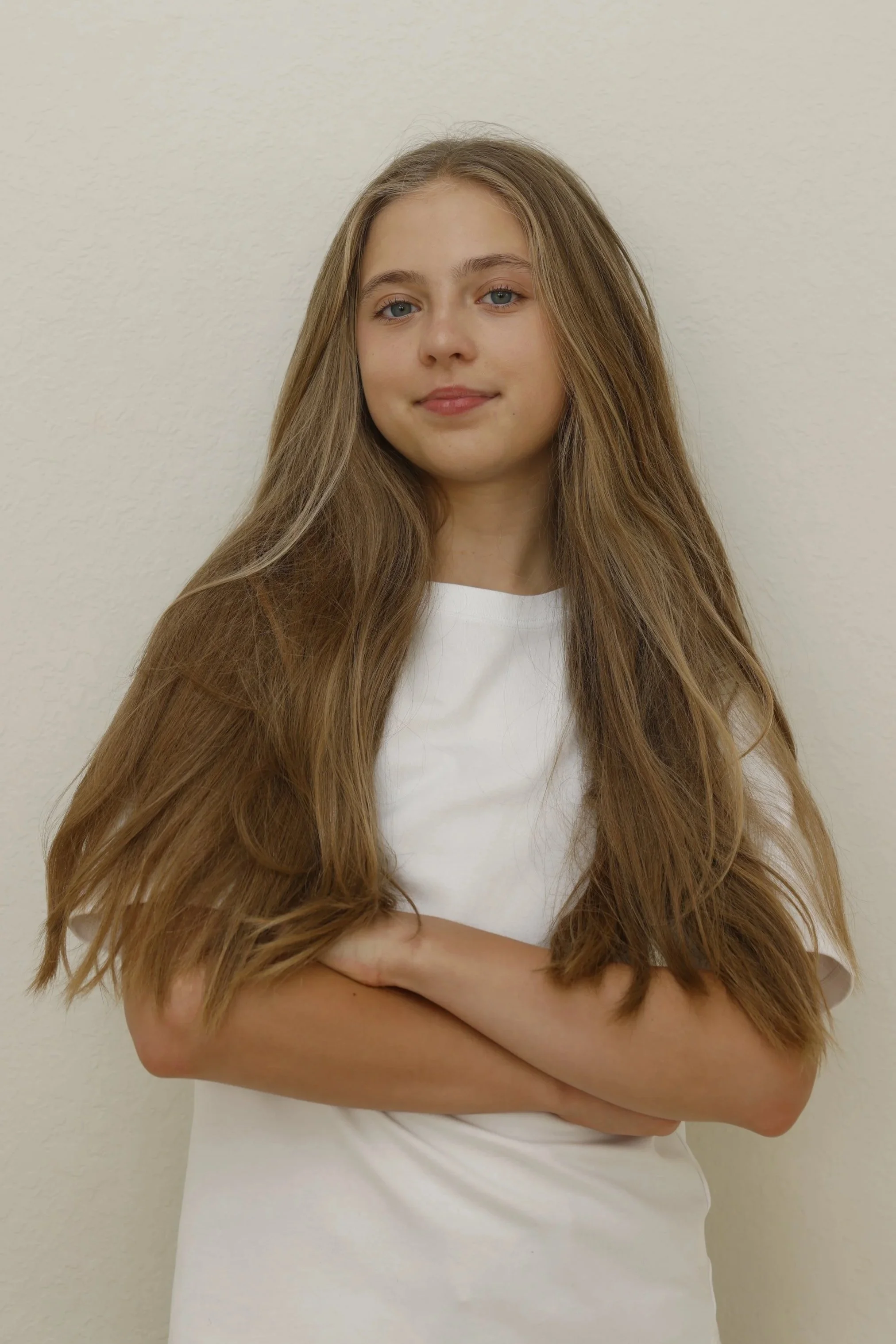
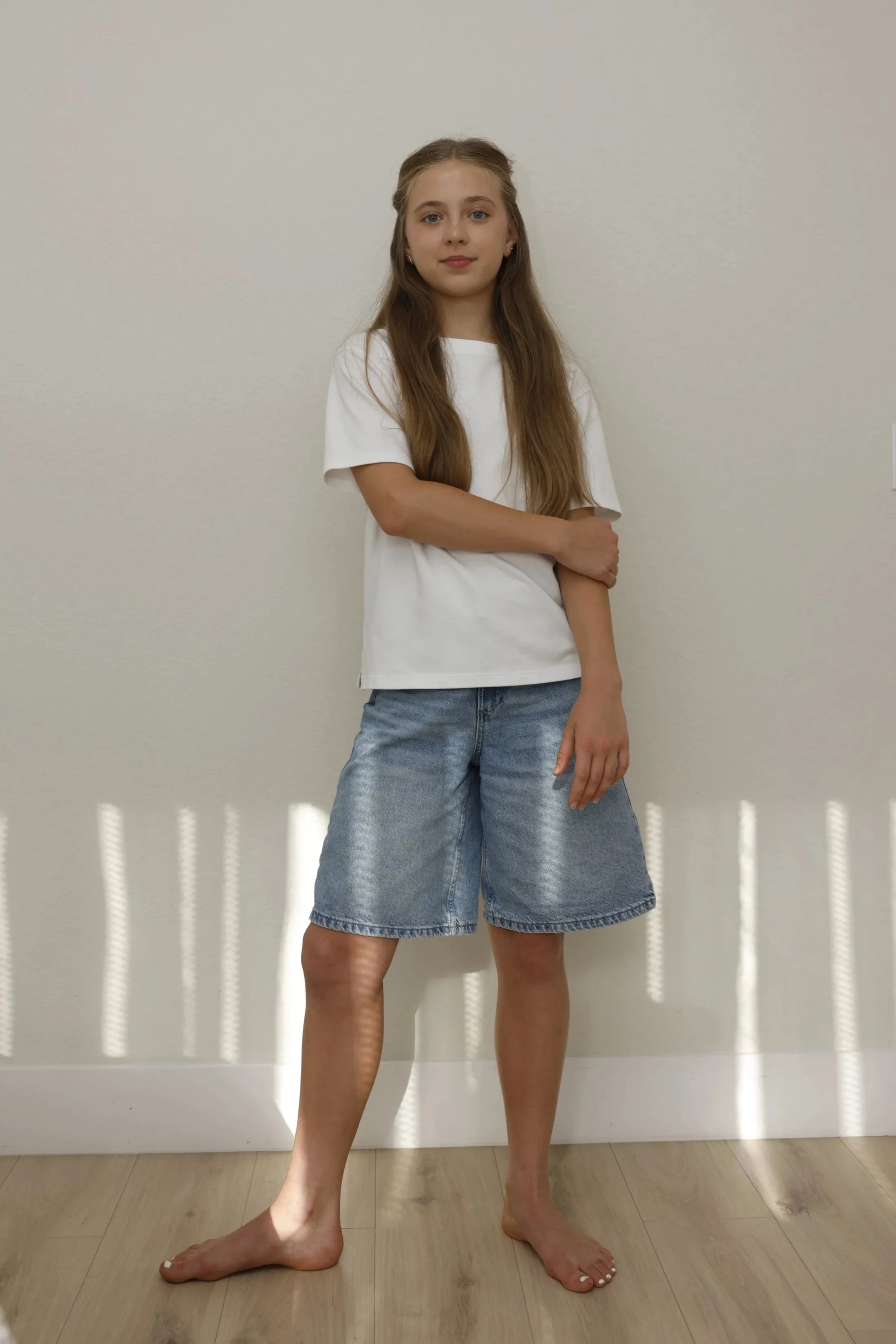
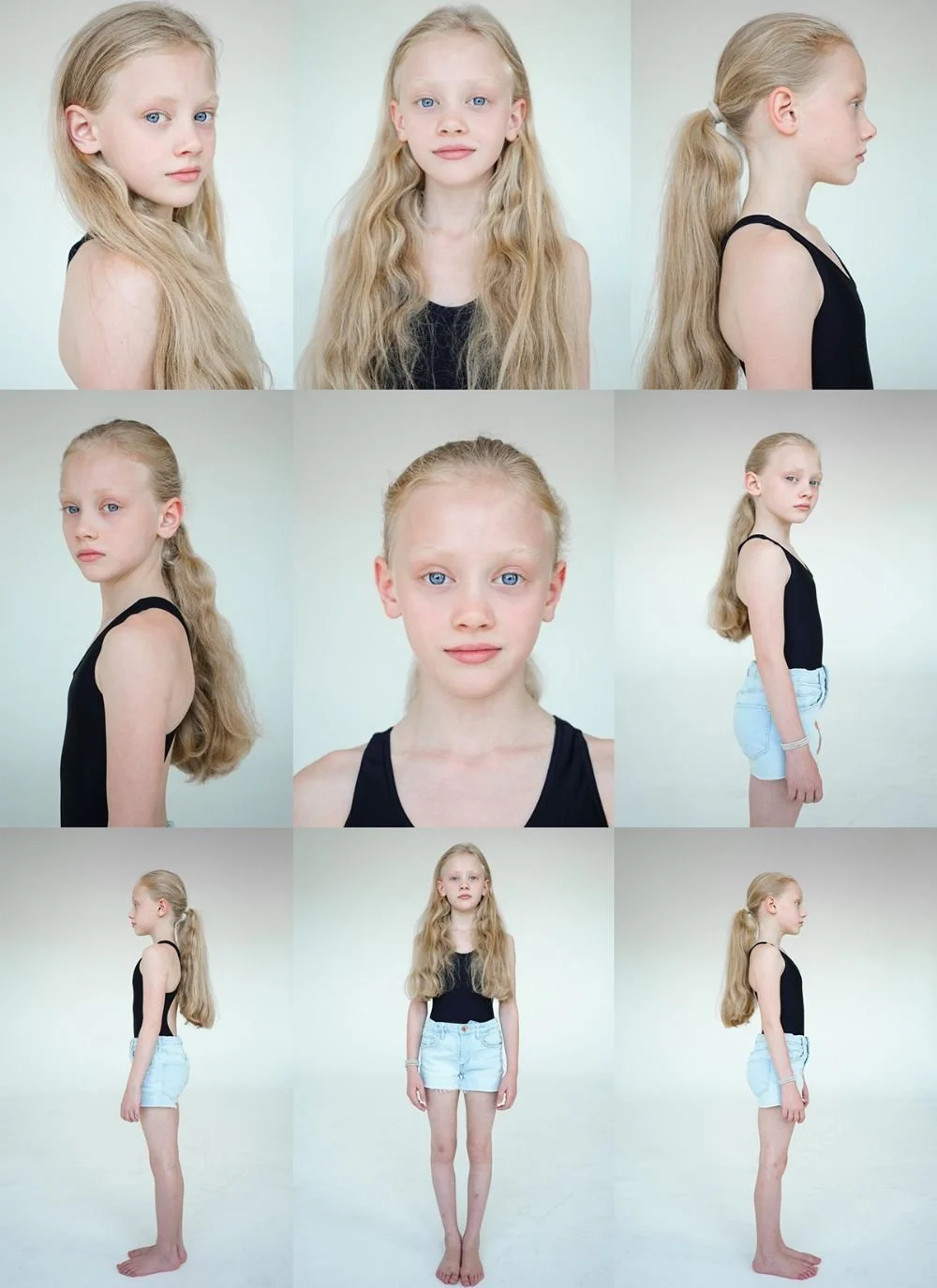
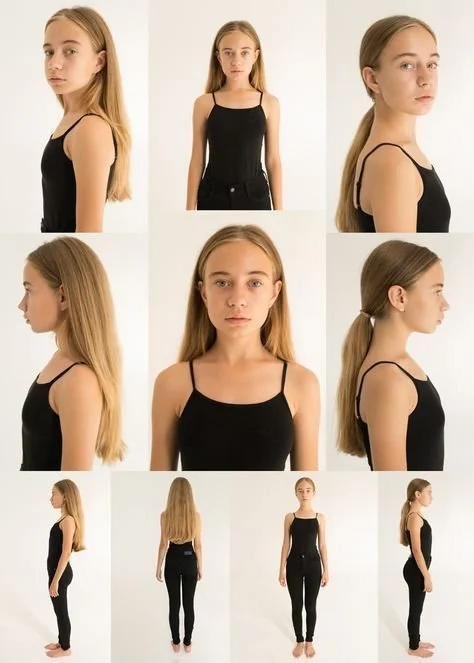
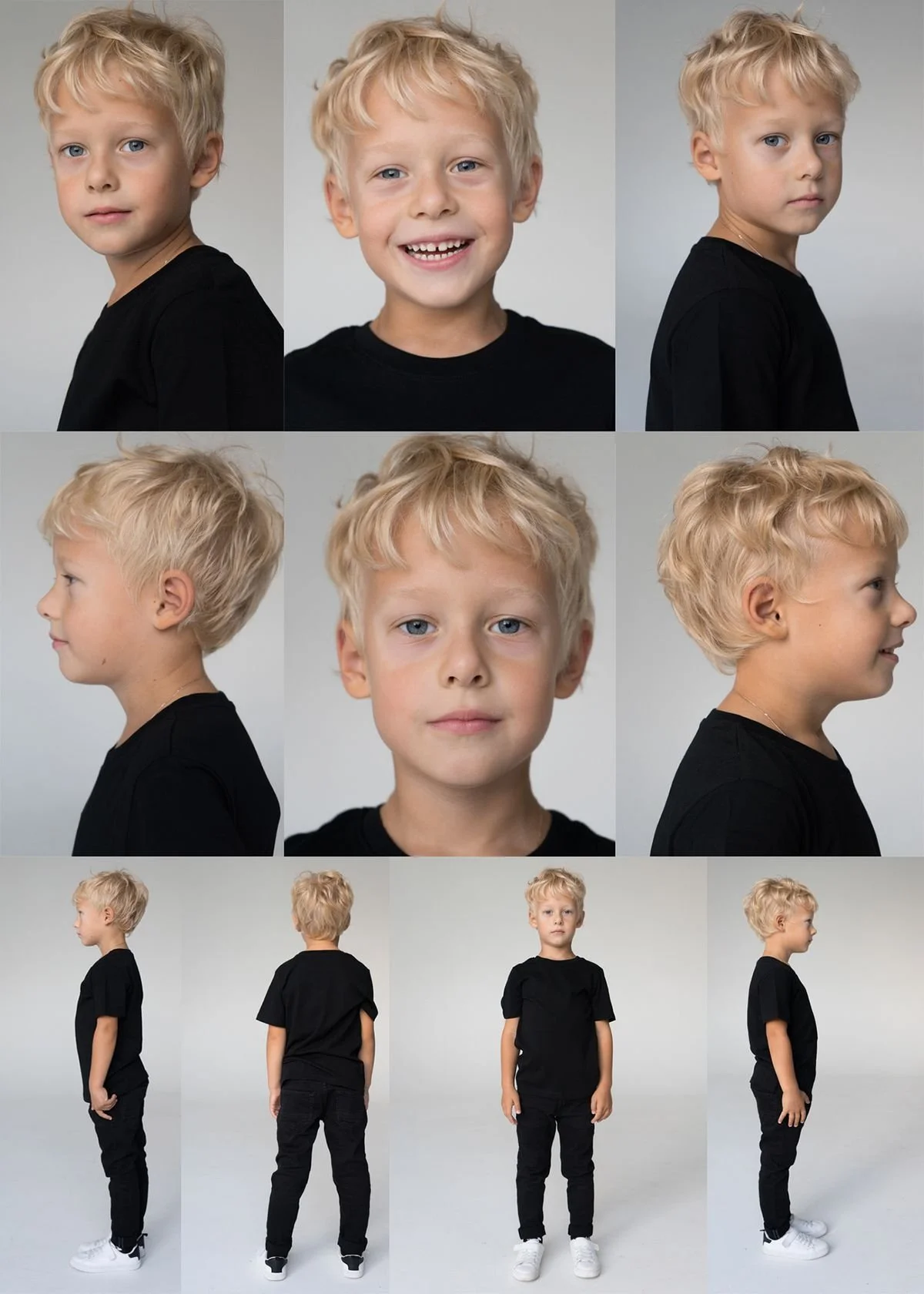
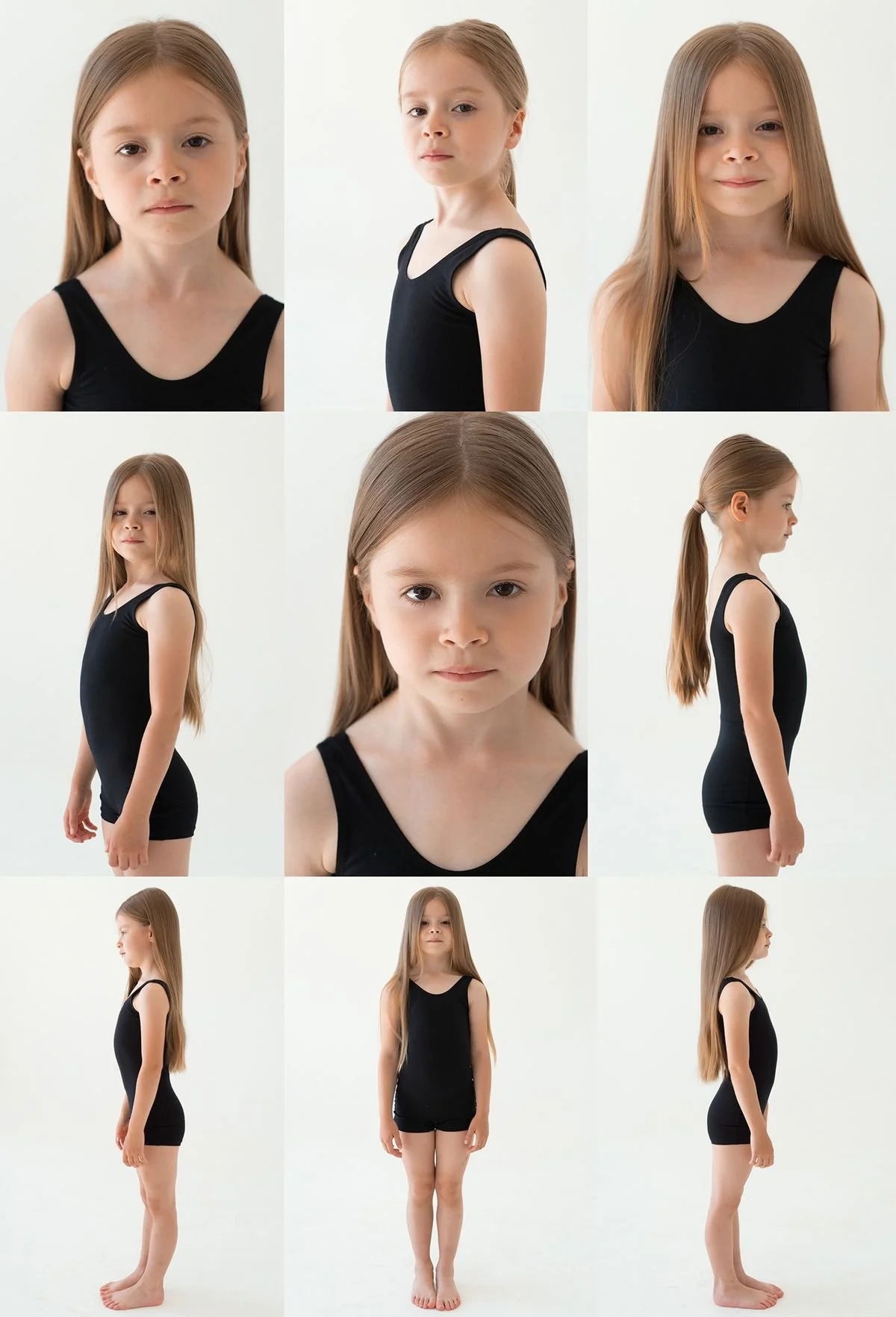
For a complete set of at-home digitals, aim to capture these five shots.
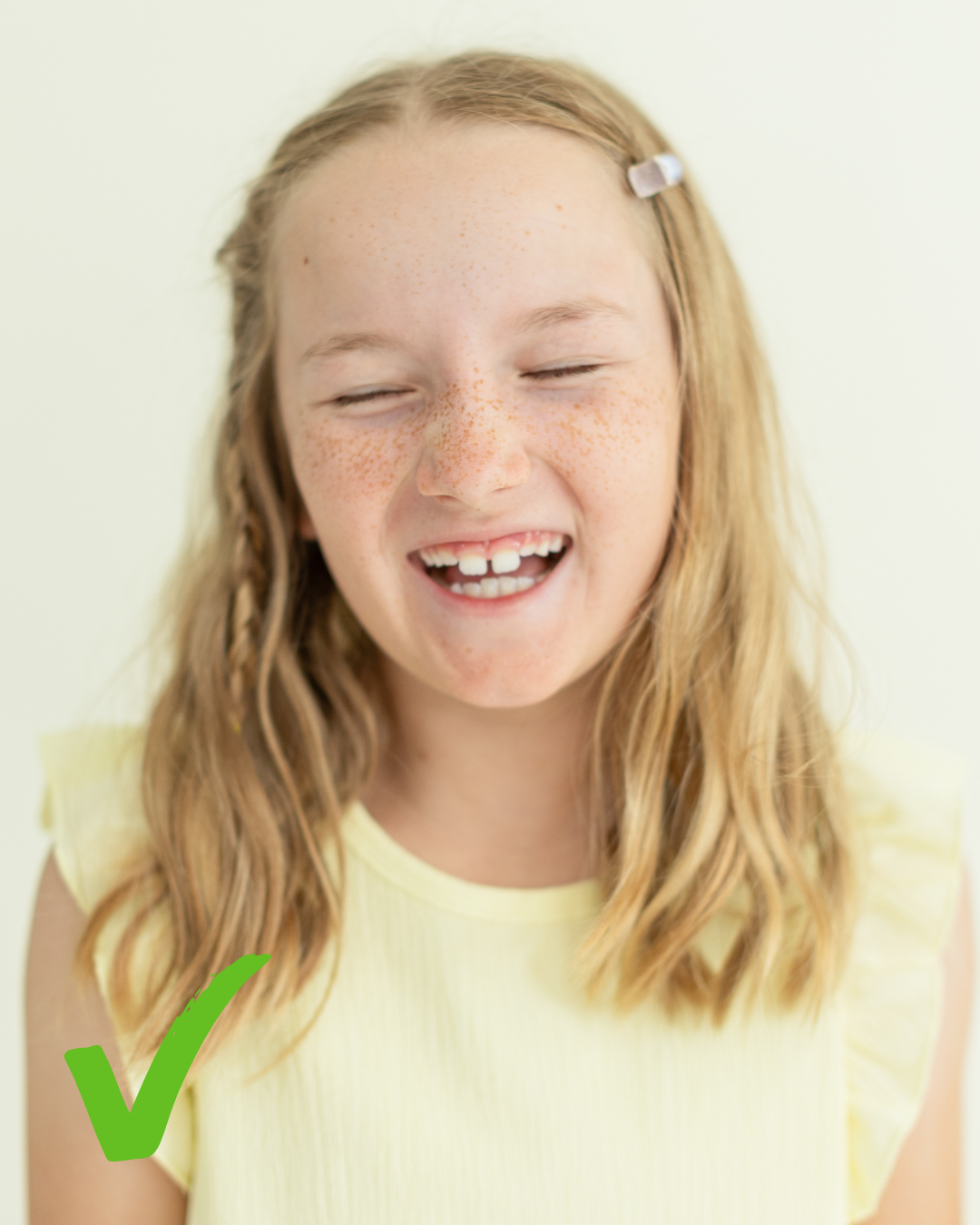
A close up face shot looking directly at the camera (smiling).
A close up face shot looking directly at the camera (neutral expression).
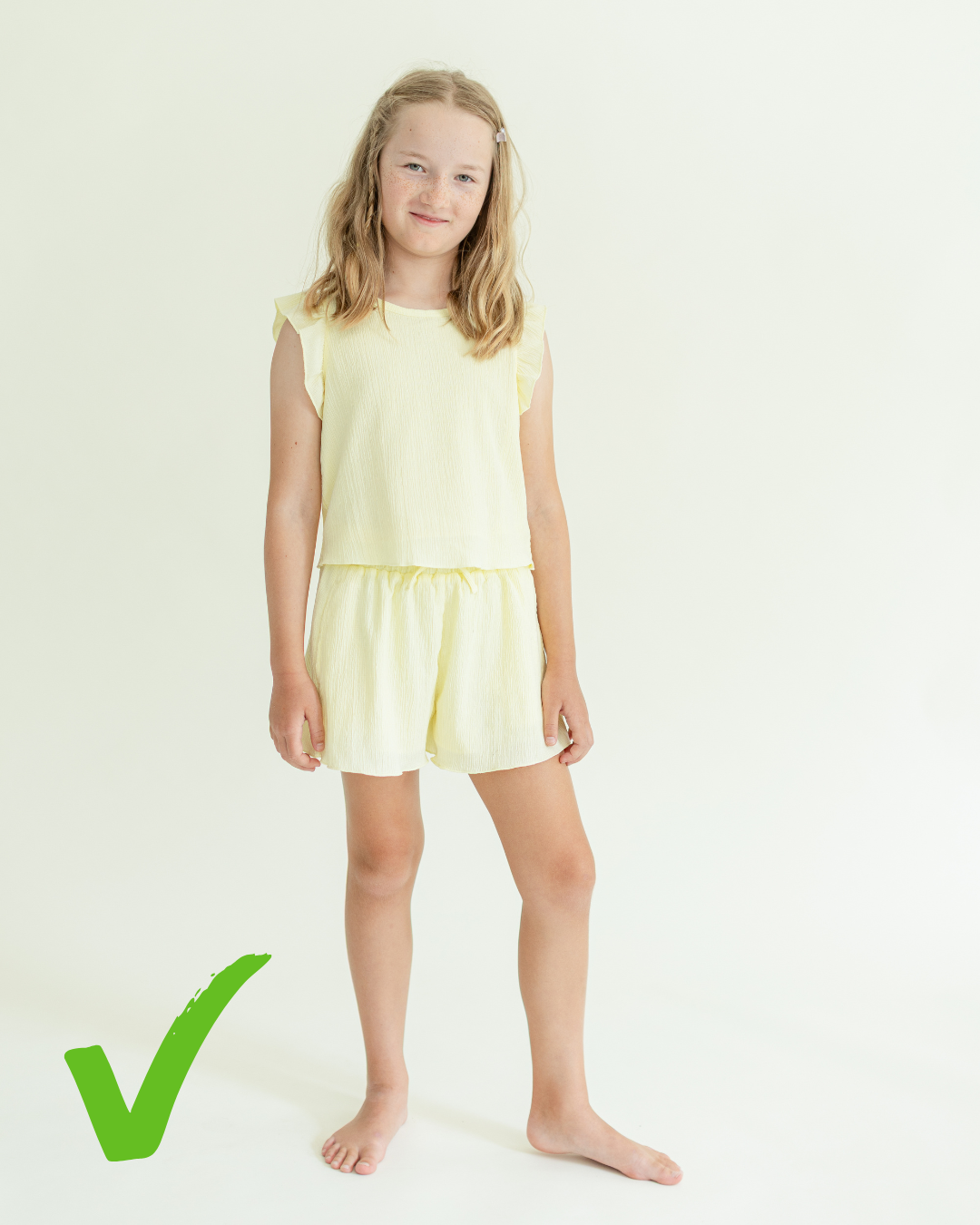
A full body shot straight on (smiling or neutral).
A three quarter shot from around the mid-thigh up (smiling or neutral).
And one additional angle, whether that is a clean side profile or a slightly more relaxed pose that shows a bit of personality.
Remember, natural smiles are especially important for kids, so more smiling rather than less is good. Smile in at least three-four photos. Play with full smiles and soft smiles. The others can be a relaxed expression.
That set covers everything we need.
Find Your Background First
This is the single most important setup decision you will make and it is the one most people overlook.
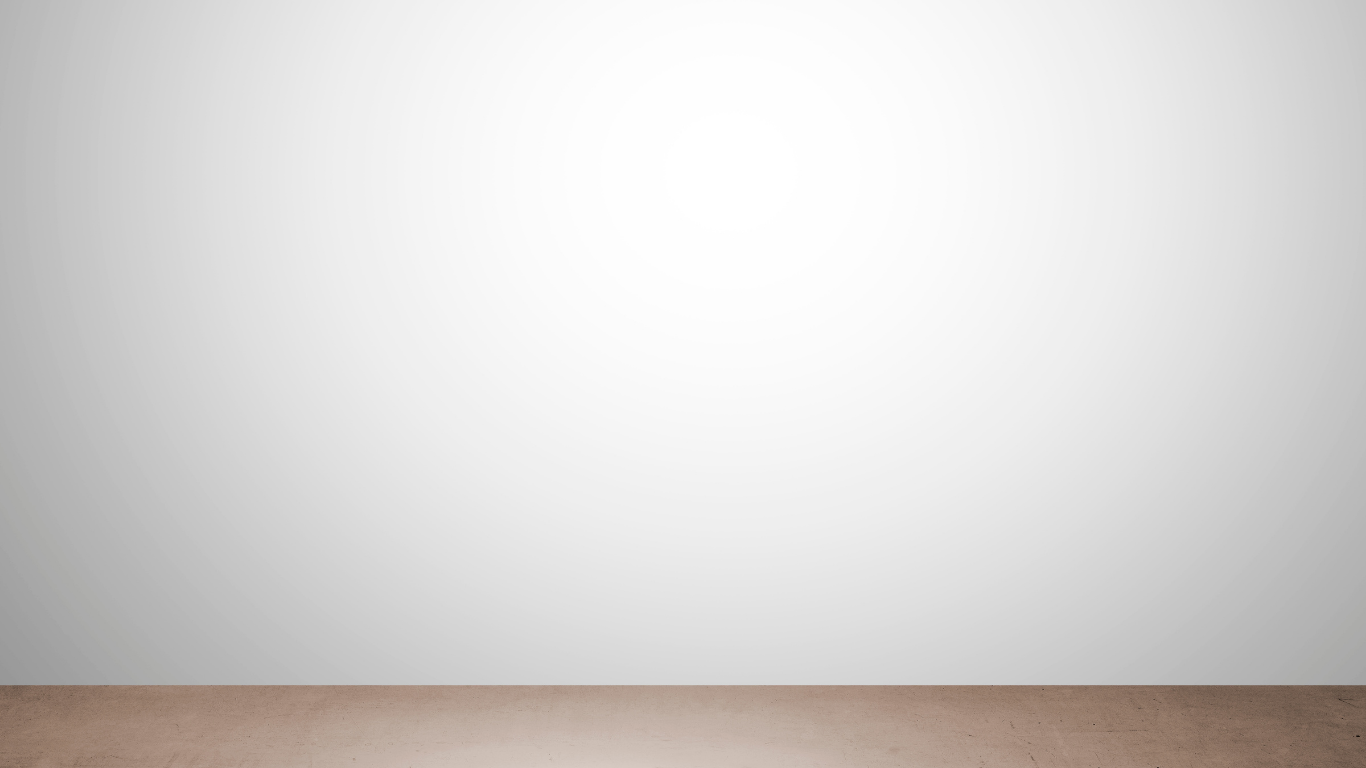
You need a clean, simple, uncluttered background. A white wall is the gold standard and for good reason. It puts the entire focus on the person in the frame and removes every possible distraction. A light neutral wall works well too. What does not work as well is a busy wallpaper, a cluttered room, a patterned curtain, or any environment that pulls the eye away from your child or family.
We understand that a lot of photos happen naturally out and about, and those moments are wonderful for lifestyle content. But for a submission digital, a plain wall in your home is always going to serve you better than even the most beautiful busy background. Find the cleanest wall you have, clear the space around it, and use that.
Get Your Lighting Right
Natural light is your best friend and most homes have more than enough of it. The key is how you position yourself relative to it.
Stand facing a window or an open door with the light coming toward you, not behind you. Light coming from behind the subject creates shadows that obscure exactly what we need to see. Light coming toward the face illuminates it clearly and evenly, which is what you want.
What to watch for: if one side of the face or body is significantly darker than the other, reposition until the light feels more balanced. A little natural shadow is completely fine. Half a face disappearing into darkness is something to correct before you take the shot. Natural daylight, even on an overcast day, almost always produces the most flattering and accurate result.
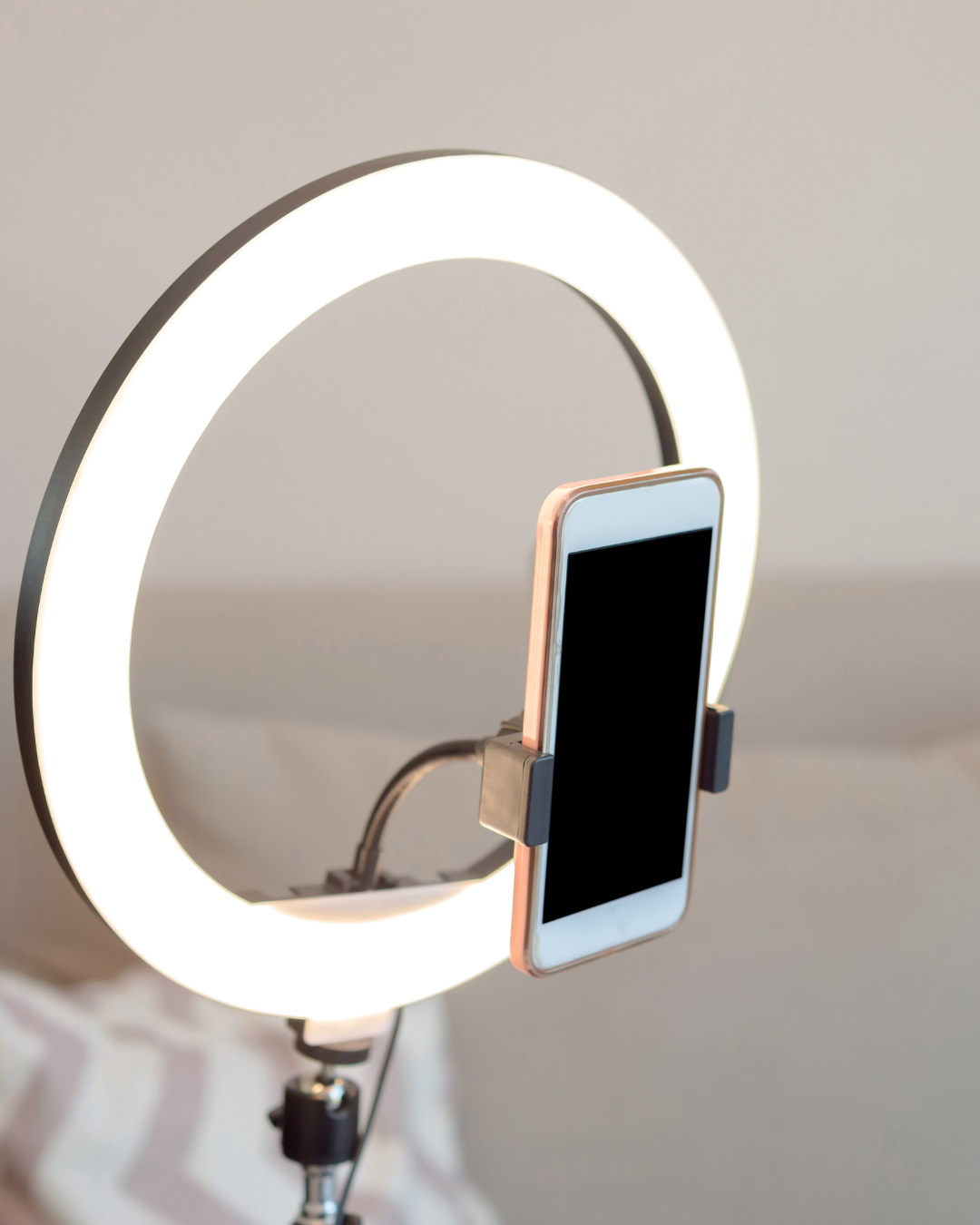
If you don't have an area in your home with good natural lighting, consider purchasing a ring light. It's a small investment that goes a long way toward making sure your photos are clear, well-lit, and submission-ready.

Have Someone Else Hold the Camera
This is a simple one but it makes an enormous difference. Whenever possible, have someone else take the photo rather than taking it yourself.
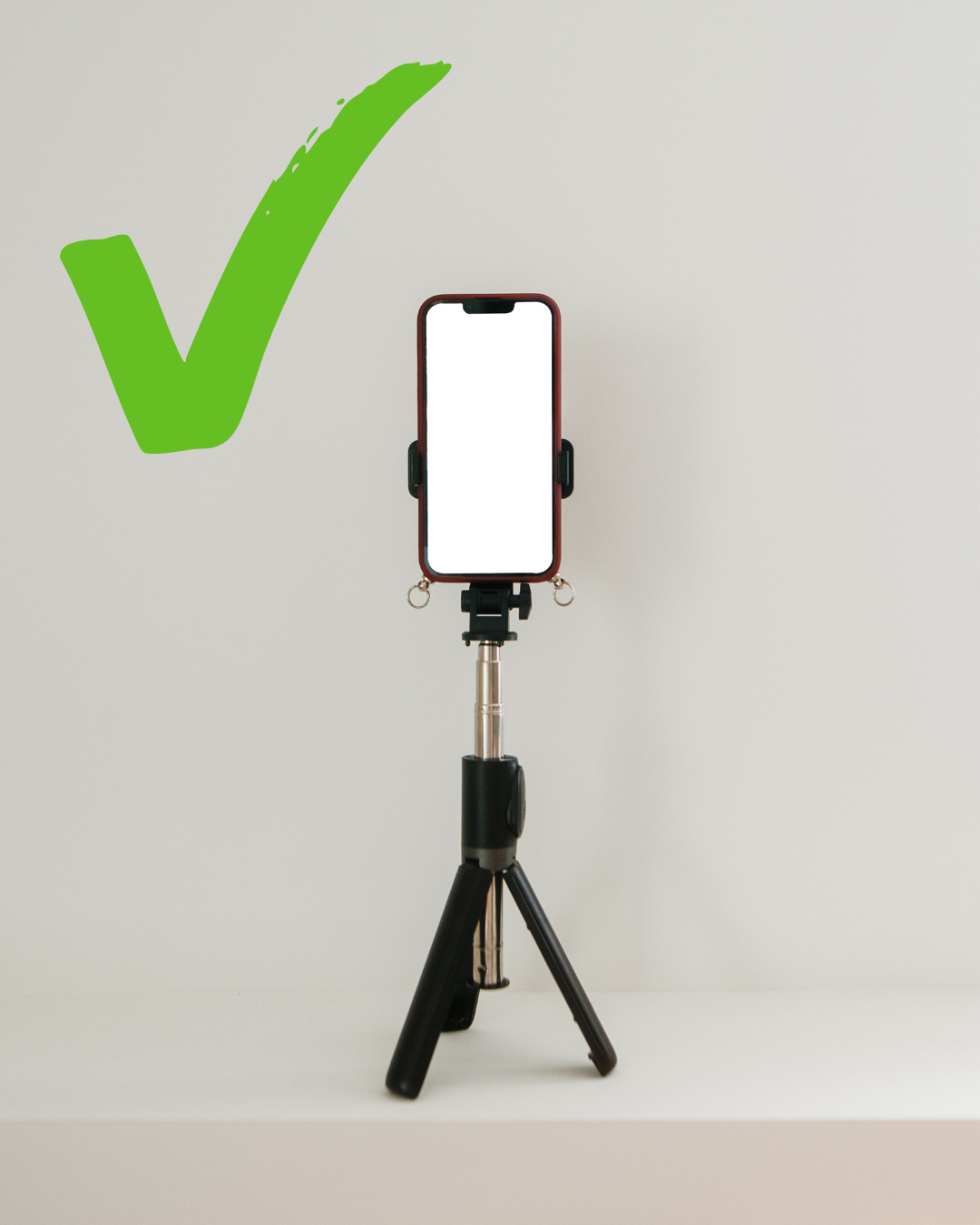
Selfies distort the face, create unflattering angles, and make it genuinely difficult to assess what someone actually looks like. If there is truly no one available to help, prop your phone against a stack of books, use a small tripod, set a self-timer, and step back. Both options produce a significantly better result than a selfie.
The camera should be held at eye level and facing directly at your child or family. Straight on, not tilted up or down, not at a creative angle. Just clean, level, and direct.

Mind Your Frame
Before you take the photo, take a second to look at the full frame.
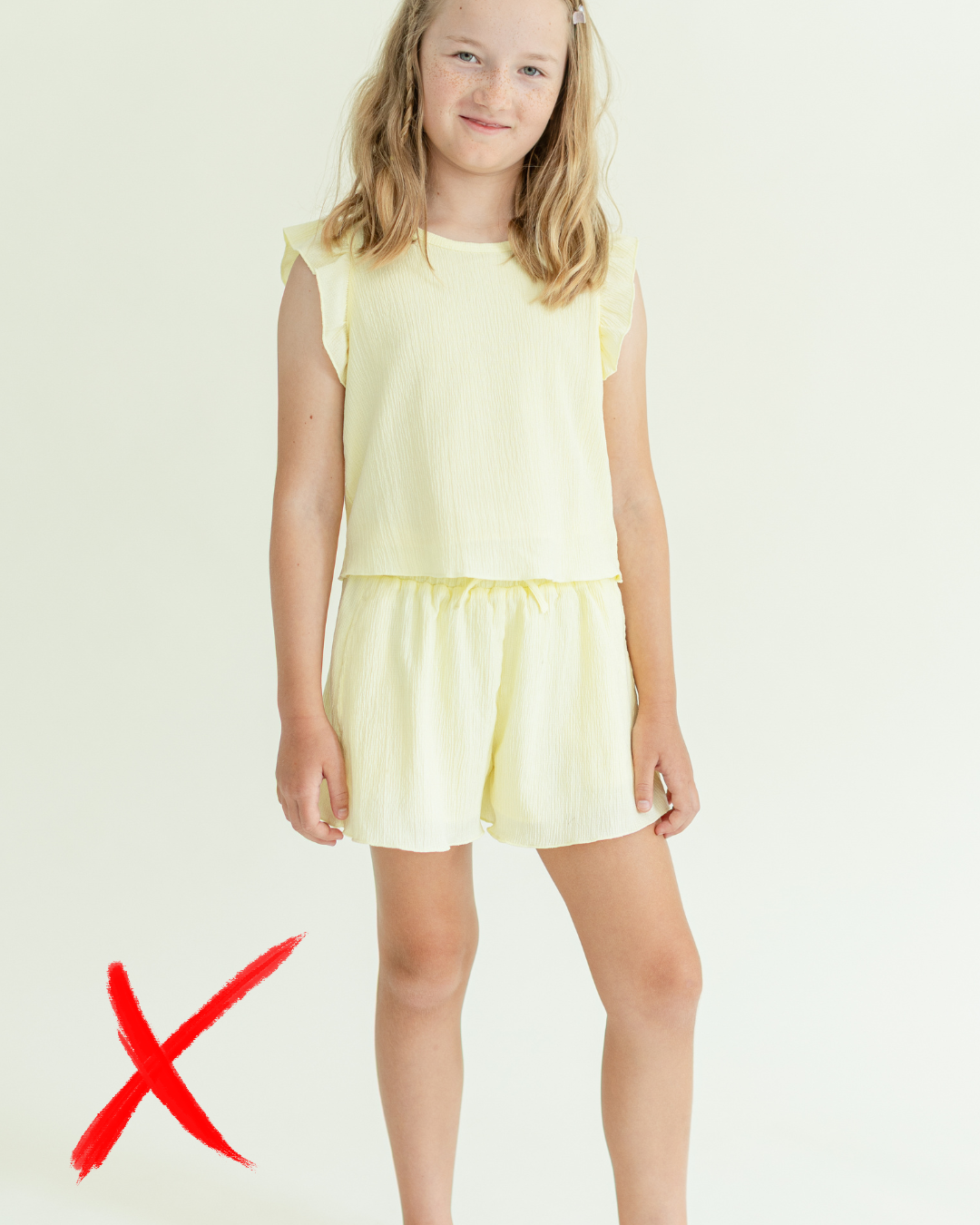
Make sure the top of the head is fully in the shot with a little breathing room above it. Make sure the image is not cutting off at an awkward place mid-body. For a full body shot, check that everything from the top of the head to the feet is visible with a small amount of space above and below. For a closer shot, aim to crop around the chest or shoulders.
A quick frame check before each shot takes two seconds and saves a lot of photos that simply cannot be used.

Keep Wardrobe Simple
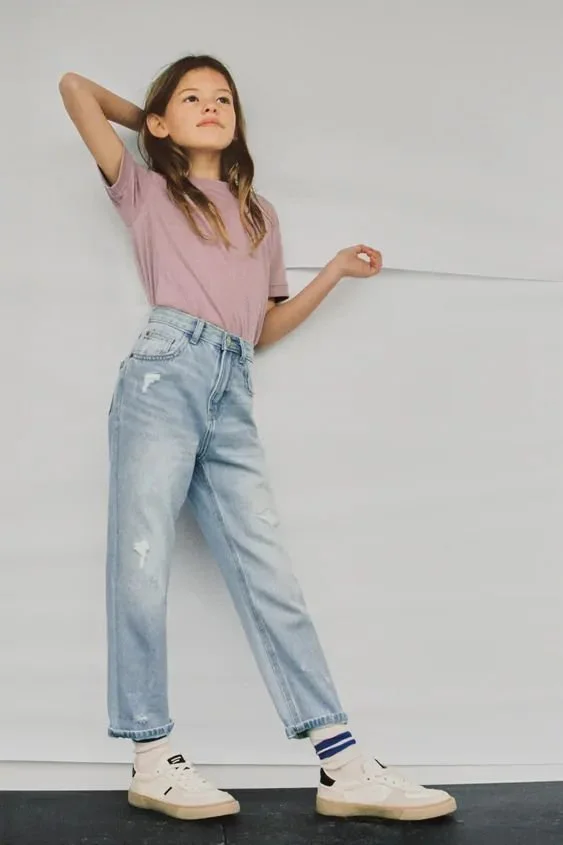
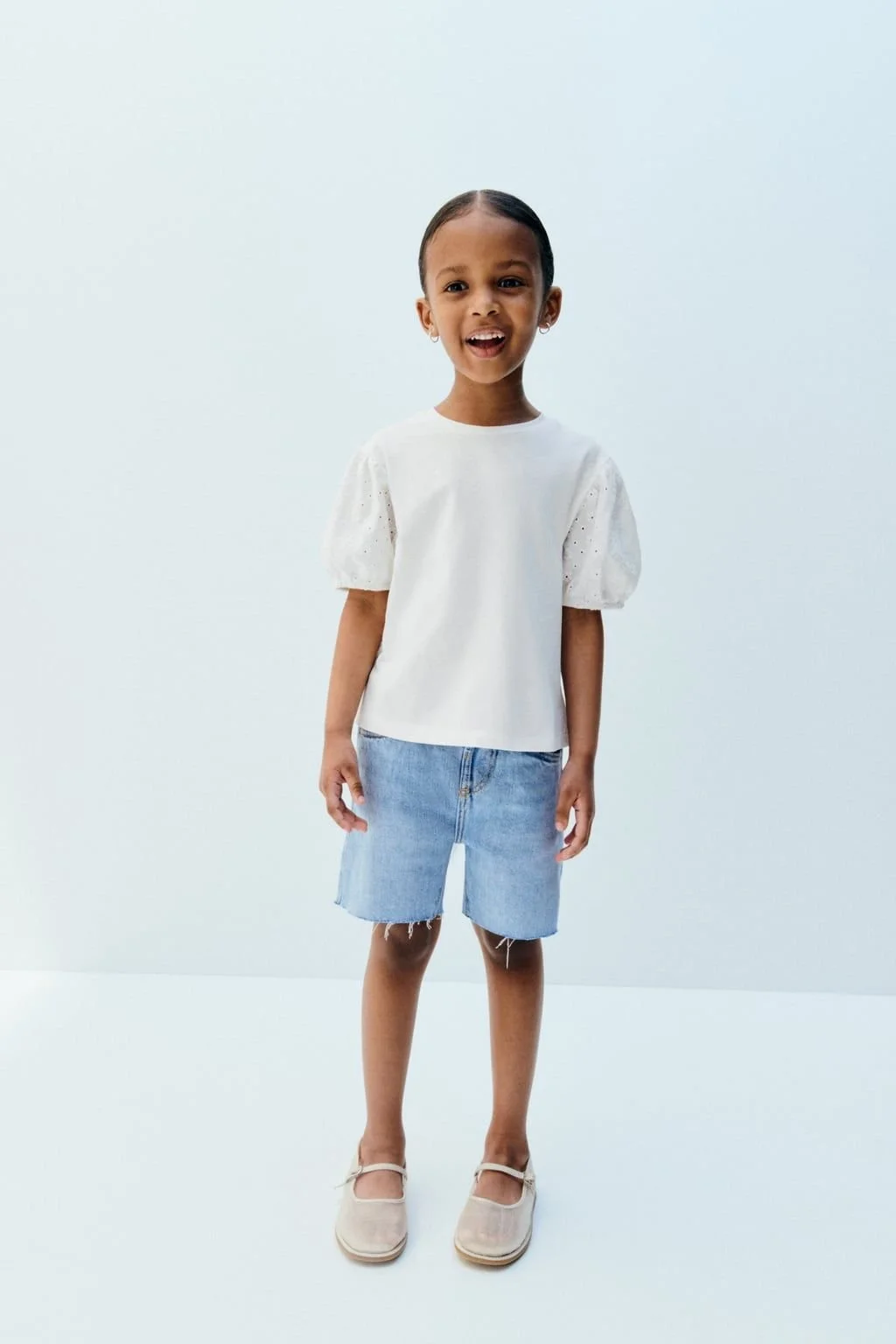
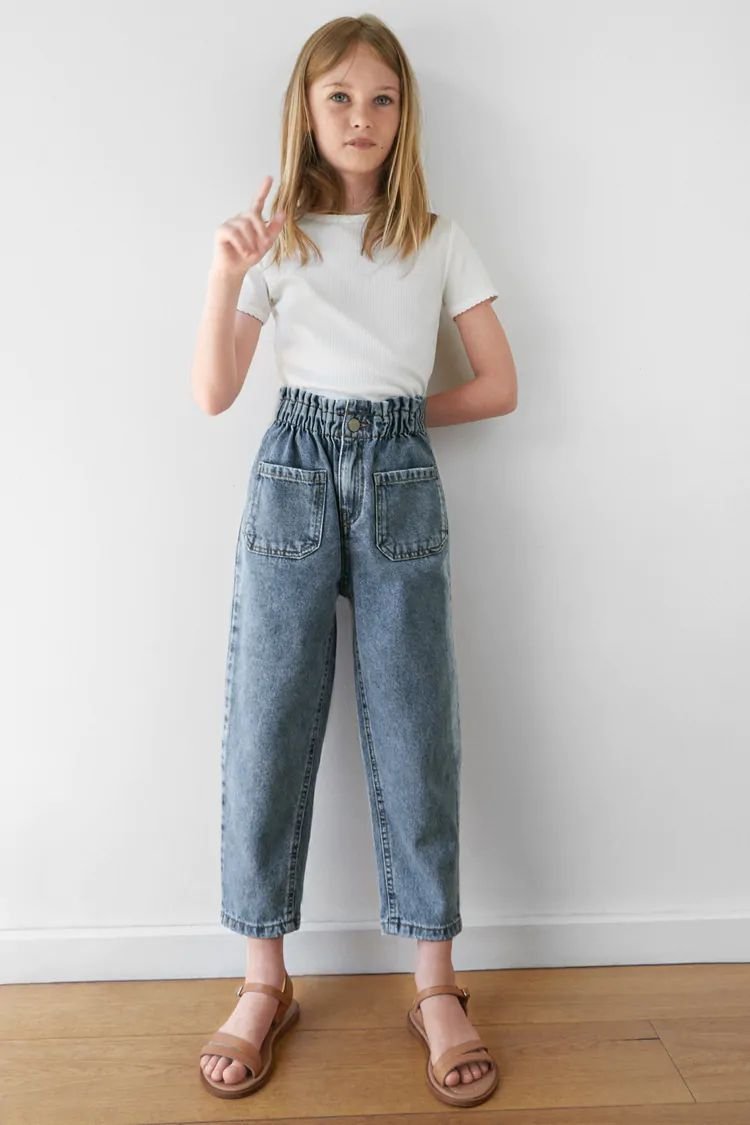
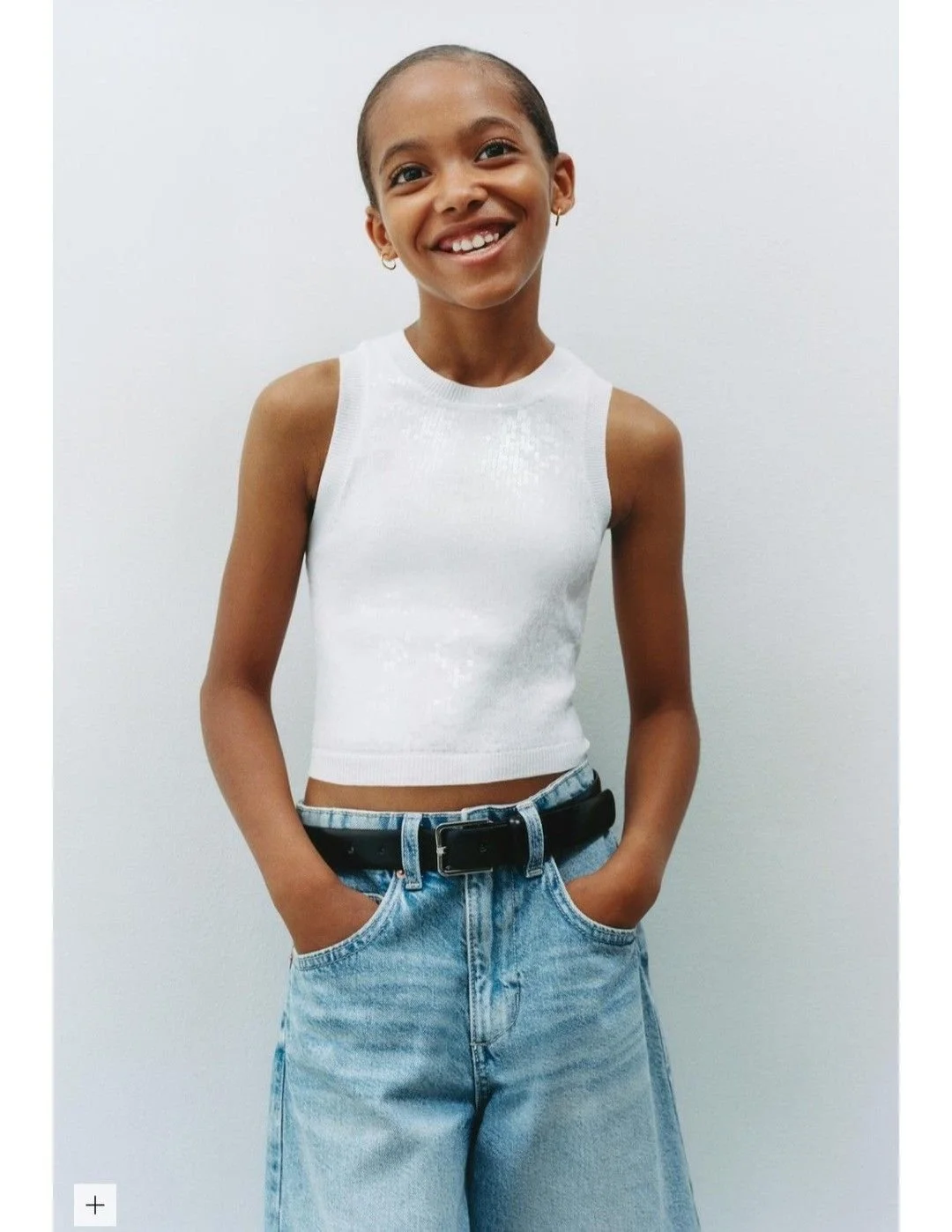
The goal of a digital is for whoever is looking at it to be focused entirely on your child or family, not on what they are wearing. A simple, well-fitted solid color works almost every time. Neutral tones, white, grey, navy, black. Something that sits quietly and lets the person do the talking.
For family group shots, aim for coordinating rather than matching. Everyone does not need to be in the same color, but the overall palette should feel cohesive and calm rather than visually busy.
A Few Things Worth Flagging
These come up regularly and are all very easy to fix.
Sunglasses. Please remove them before the photo. We need to see faces clearly, and sunglasses cover a significant portion of the face. It does not matter how good they look. They come off for submission photos.
Angles. Face the camera fully if it is a front-facing shot, or commit fully to a side profile if that is what you are going for. Photos that are somewhere in between, not quite front-facing and not quite a profile, make it hard for us to see what we need to see. Clean and committed to a direction is always better.
Keeping everyone in frame for group shots. In family photos, make sure every face is clearly visible and that no one is significantly behind someone else or partially cut off. Position the group so everyone can be seen, and check the frame before you take the shot.
A Quick Checklist Before You Send
Run through this before you hit send.
Clean, simple background with no visual clutter. Natural light facing toward the subject. No sunglasses. Camera held by someone else or propped and set on a timer. Eye level and straight on. Full head in frame with space above. Wardrobe simple and solid. Everyone clearly visible in group shots. Photos recent and current.
If those boxes are checked, you are sending us something genuinely useful for casting purposes.
One Last Note
A strong at-home digital will never replace professional headshots and portfolio content when it comes to how competitively your family is positioned for briefs. But it is an important, very doable thing that every family in our network should be able to produce at home, and produce well, as their children grow and change.
Send us fresh digitals whenever something significant changes. A new haircut, a growth spurt, a noticeable change in look. Keeping your profile current is one of the simplest and most effective things you can do to stay active and competitive.
And if you are ready to invest in professional portfolio content, reach out before you book anyone on your own. We have a trusted network of photographers who understand exactly what casting companies need, and we would love to help you get it right.