The Art of Letting Go: When Your Child Wants to Quit Modeling
By the FAM | Florida Family & Kids Casting Experts
This is one of the more delicate conversations in kids modeling and one that does not get talked about enough. Your child wanted to model. You invested time, energy, and probably some money into getting them started. And then one day they say they want to stop.
How you handle that moment matters enormously, both for your child and for your relationship with them around this experience. This post is an honest look at what that moment actually means, how to tell the difference between a passing feeling and a genuine signal, and how to let go gracefully when it is time.
First, Check In With Yourself
Before you respond to your child, take a quiet moment to check in with your own feelings. Because when a child says they want to quit, parents sometimes feel things that have nothing to do with their child. Disappointment. Frustration. A sense of loss around something you were enjoying or excited about.
Those feelings are completely understandable. But they are yours, not your child's, and they should not be the thing that shapes how you respond. Your child is not quitting on you. They are telling you something about their own experience, and that deserves to be heard clearly and without the weight of your expectations sitting on top of it.
Sometimes It Was the Parent's Dream More Than the Child's
This takes some honesty to say and even more to hear, but it comes up more often than people realize and it is worth addressing early in this conversation.
Sometimes a parent comes to us genuinely convinced their child is going to love modeling. They have seen something at home, a natural ease in front of a phone camera, an outgoing personality, and they are certain it is going to be a great fit. And then the child gets to set and the whole picture shifts.
The child who was confident at home becomes overwhelmed in a professional environment. They shut down, get emotional, need to be coaxed through every shot, or simply cannot get comfortable no matter how much encouragement is given. A child who is visibly uncomfortable on set, fighting through big emotions just to get through a shoot, is telling you clearly that this is not the right fit. The camera picks up on discomfort in a way that is hard to hide, and no booking is worth a child feeling that way.
It is worth asking yourself honestly whether your child has expressed genuine interest in modeling or whether the excitement has been primarily yours. There is no shame in the answer either way. But modeling requires a child who is genuinely willing and at ease in the experience. If the interest is not authentically theirs, the set will reveal it quickly, and the kindest response is to recognize it and let it go with grace.
Not Every Doubt Is a Desire to Quit
Once you have done that honest self-check, it is easier to hear what your child is actually saying.
Children process their feelings out loud and in real time. A child who says they do not want to do modeling anymore on a Tuesday afternoon after a hard week is not necessarily telling you the same thing as a child who is consistently reluctant, disengaged, or unhappy every time a shoot comes up.
Give it a little space before you treat it as final. Have a calm, low-pressure conversation. Ask open questions. What specifically is not working right now? Is it modeling itself or is everything feeling like too much at the moment? Listen more than you talk and let the conversation go where it goes without steering it toward the answer you want to hear.
When On-Set Behavior Is the Real Signal
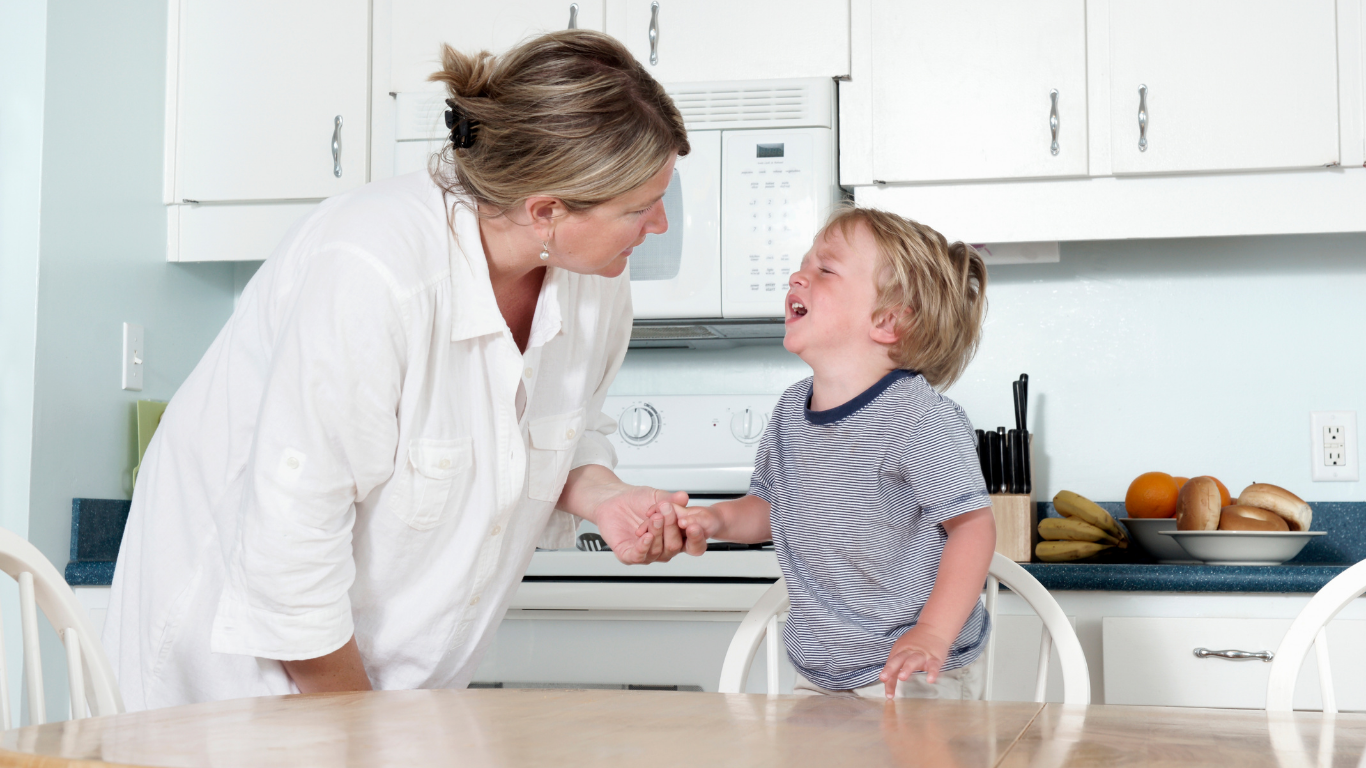
There is a meaningful difference between a child who is contemplating their feelings at home and a child who is consistently struggling on set. If your child is reluctant to go to shoots, having emotional meltdowns on set, unable to take direction, or making the experience difficult for the production team, that is a signal worth taking seriously.
On set behavior is professional behavior. A child who is consistently not in a place to be there is telling you something important, and pushing them through shoot after shoot when they are clearly uncomfortable is not fair to the child and not fair to the productions counting on a willing participant. If this is what you are seeing, the conversation is not just about whether your child wants to continue. It is about whether continuing is right for them right now.
Quitting Versus Taking a Break
Not every pause has to be permanent. If your child is feeling overwhelmed or burnt out, stepping back temporarily is a completely valid option. A child who needed space at eight may come back to modeling at ten with a completely different readiness for it.
If a break feels right, communicate that to your casting agency openly. Life happens, children change, and any agency worth working with will understand completely.
When It Is Time to Let Go
Sometimes a child is simply done. The interest has run its course or they have tried it and discovered it is not for them. That is not a failure. That is a child learning about themselves, which is one of the most valuable things a childhood can offer.
If after honest conversations your child is clear that they do not want to continue, honor that. Do not bargain, do not make them feel guilty, and do not hold on longer than the child wants it. The relationship you have with your child around their own choices is worth far more than any booking.
If you are finding it genuinely hard to accept their decision, it is worth sitting with that honestly. Modeling should always be something your child does because they want to, not because you want it for them. When a parent's investment in a child's modeling career outpaces the child's own enthusiasm, that is a sign worth paying attention to. Your child trusts you to put their wellbeing above your own wishes for them. Letting go when they ask you to is one of the most profound ways you can honor that trust. And it leaves the door open in a way that forcing the issue never does.
What they gained from the experience does not disappear because they stopped. The confidence, the professionalism, the adaptability, all of it stays with them. The experience was not wasted. It was part of who they are becoming.
Ready When They Are
If your child steps away and later decides they want to come back, we will be here. At The FAM we work with real families at every stage, including the ones who take a pause and return when the time is right.