Types of Modeling for Kids and Families: A Complete Guide for Parents
By the FAM | Florida Family & Kids Casting Experts
If you are new to the world of kids and family modeling, one of the first things that becomes clear is that modeling is not one thing. It is a broad industry with distinct categories, each with its own look, pace, skill set, and opportunity landscape. Understanding the different types helps parents figure out where their child or family might be the strongest fit, what to expect from different kinds of work, and how to build a portfolio that serves them across multiple categories.
This post breaks down every major type of modeling relevant to kids and families in 2026, with honest notes on age suitability, family applicability, and what each type actually looks like in practice.
Lifestyle Modeling
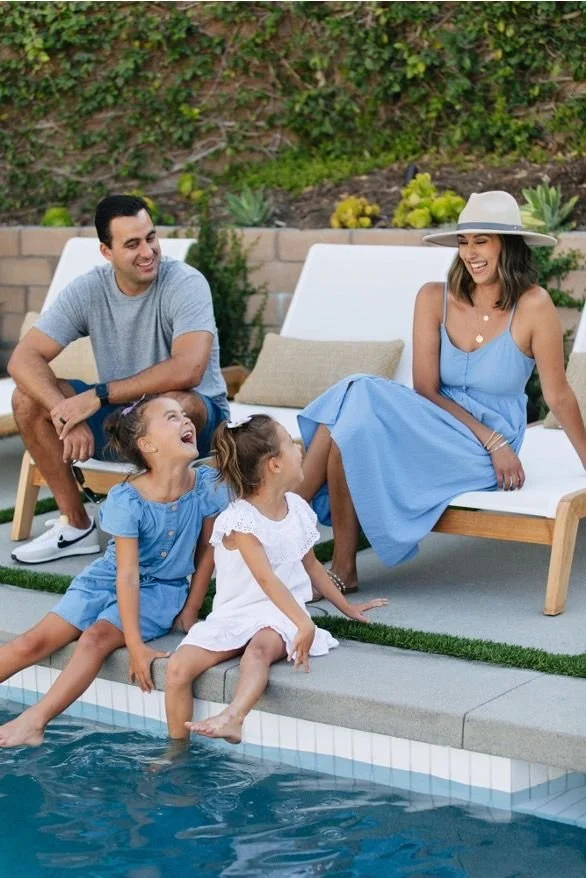
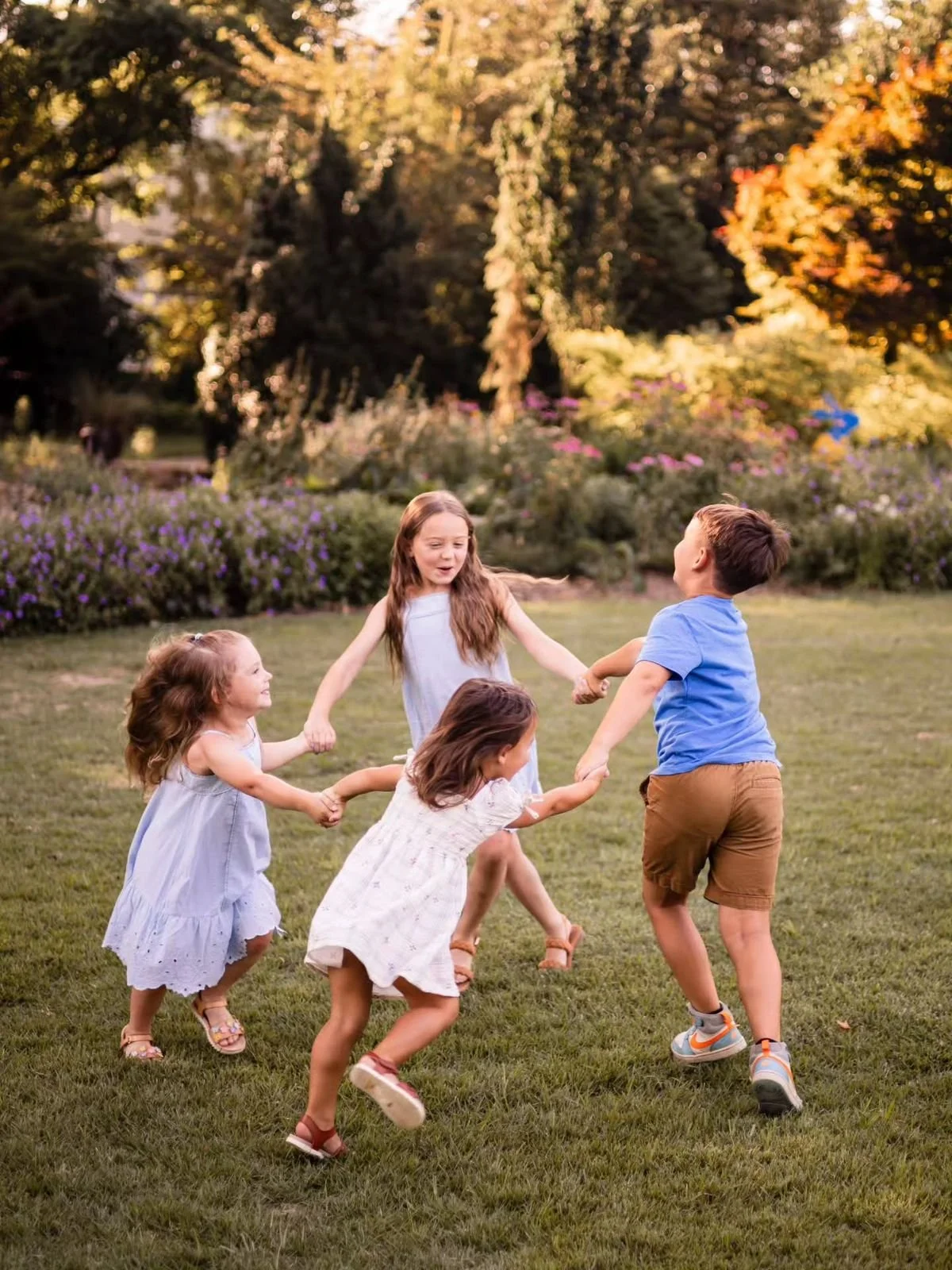
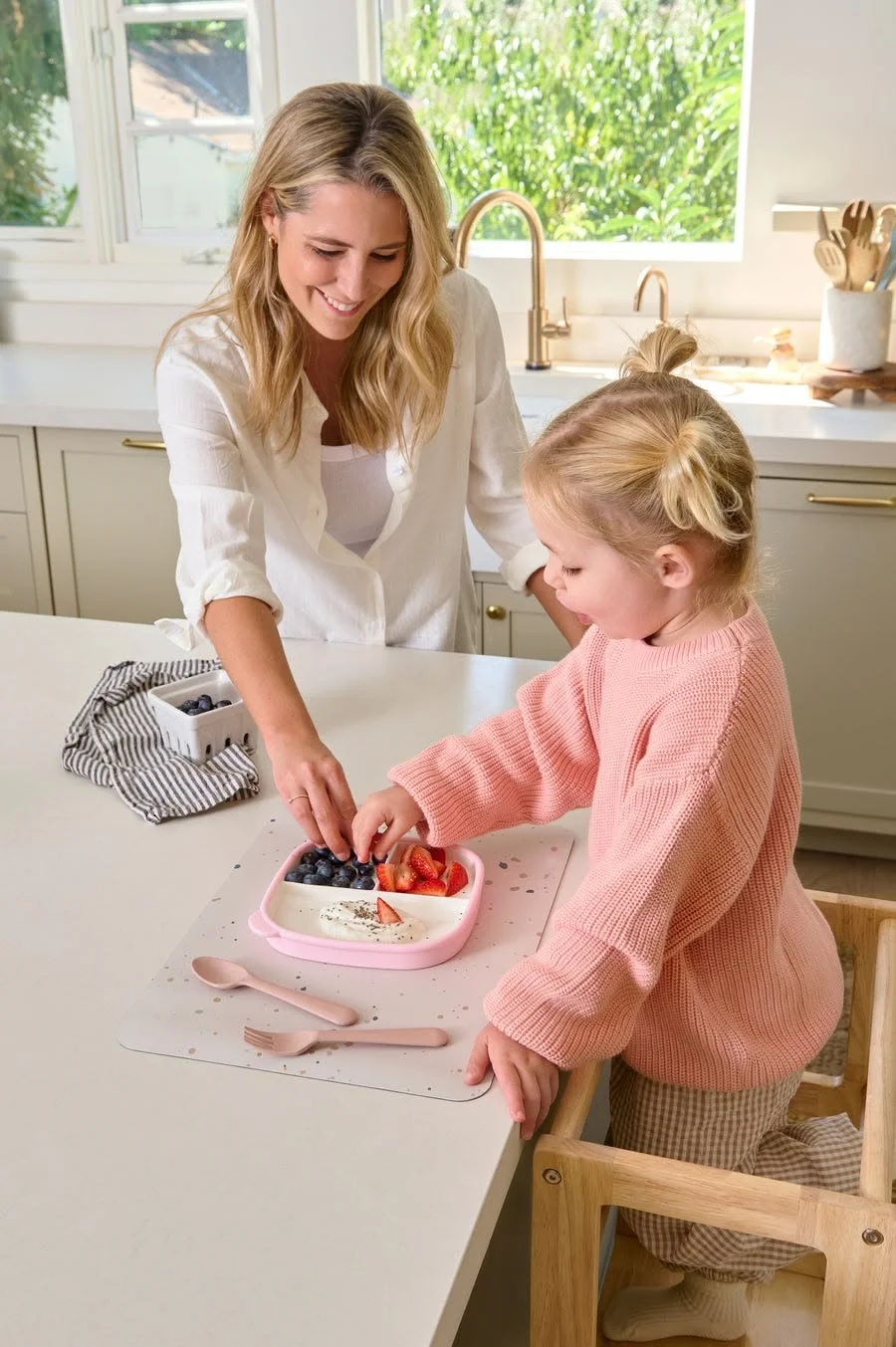
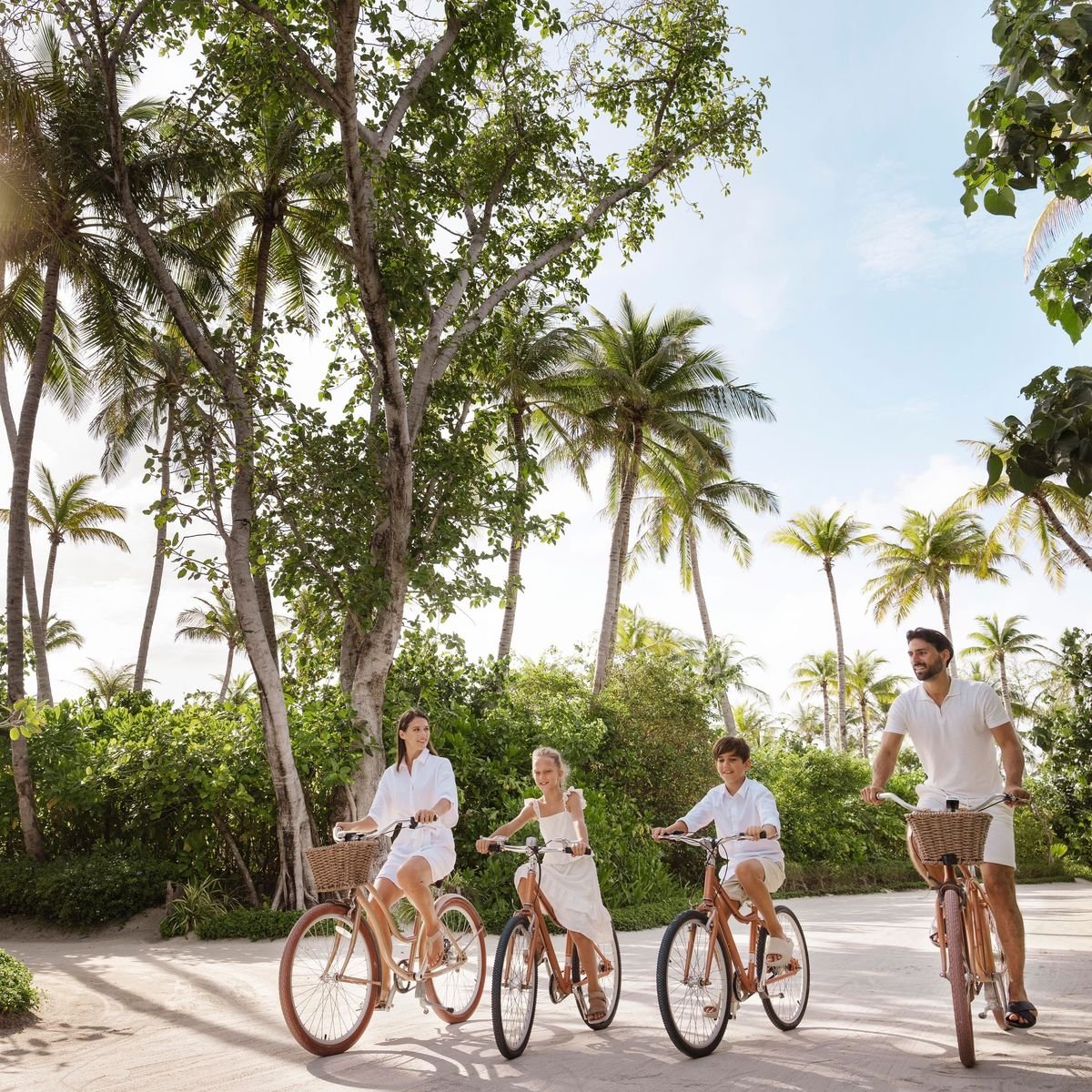
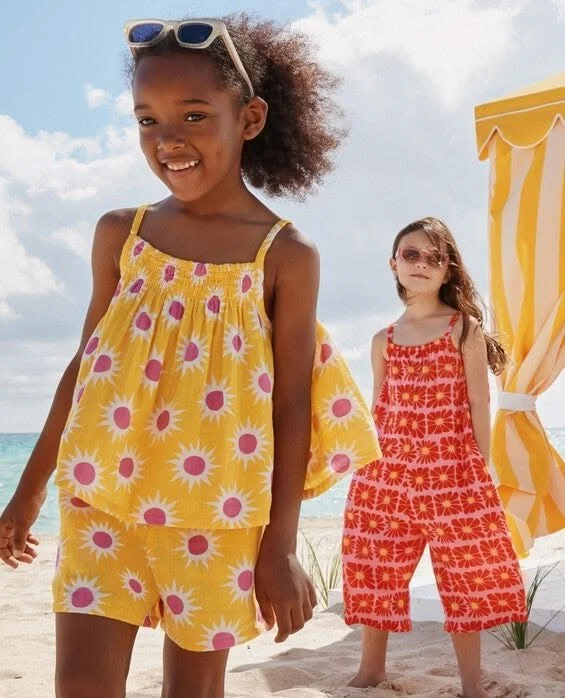
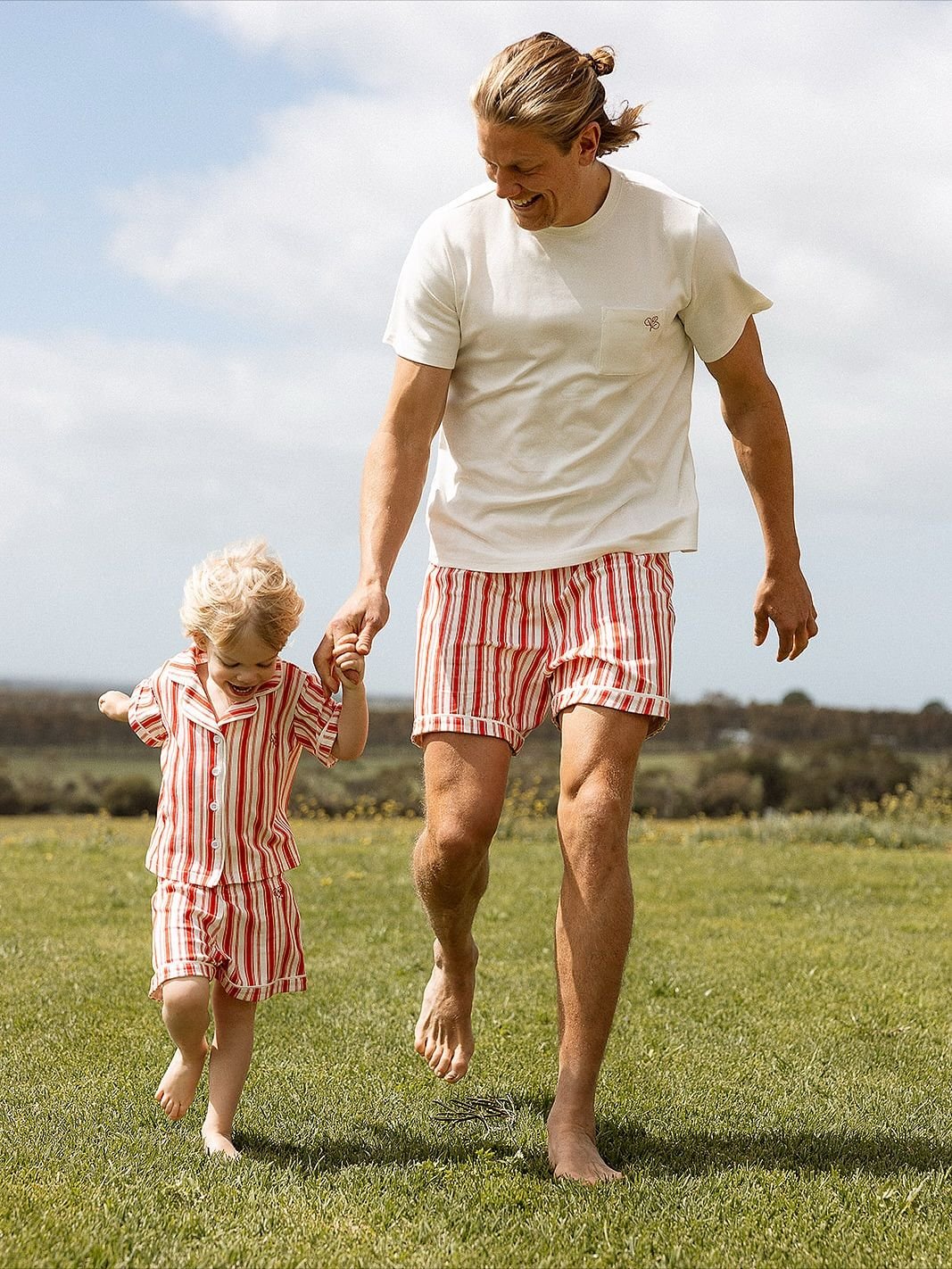
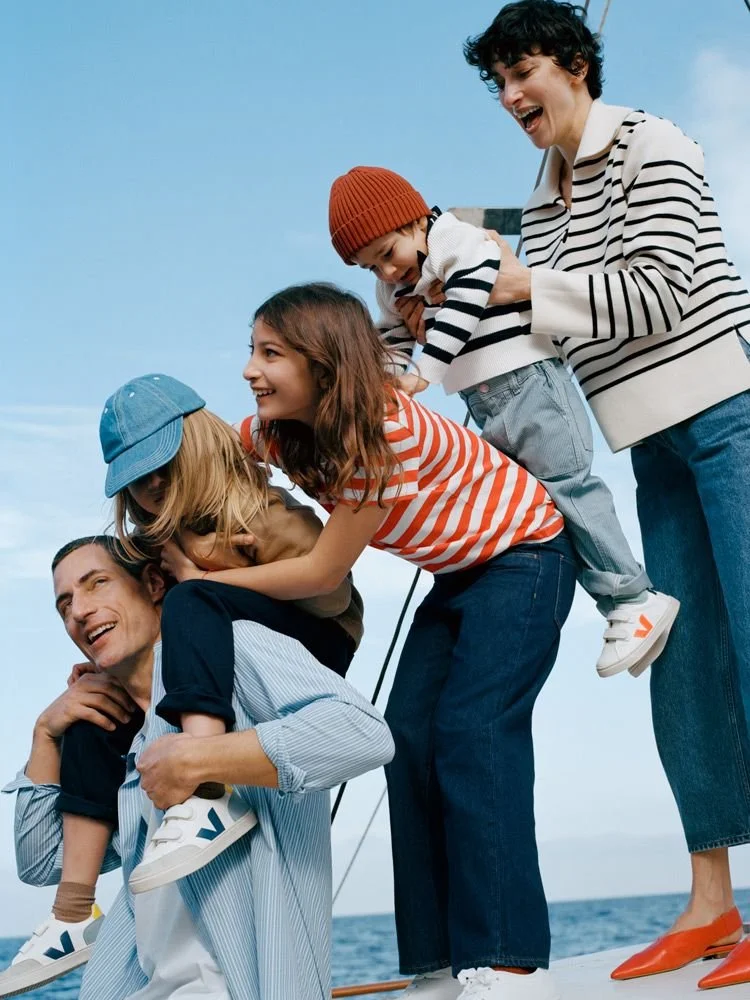
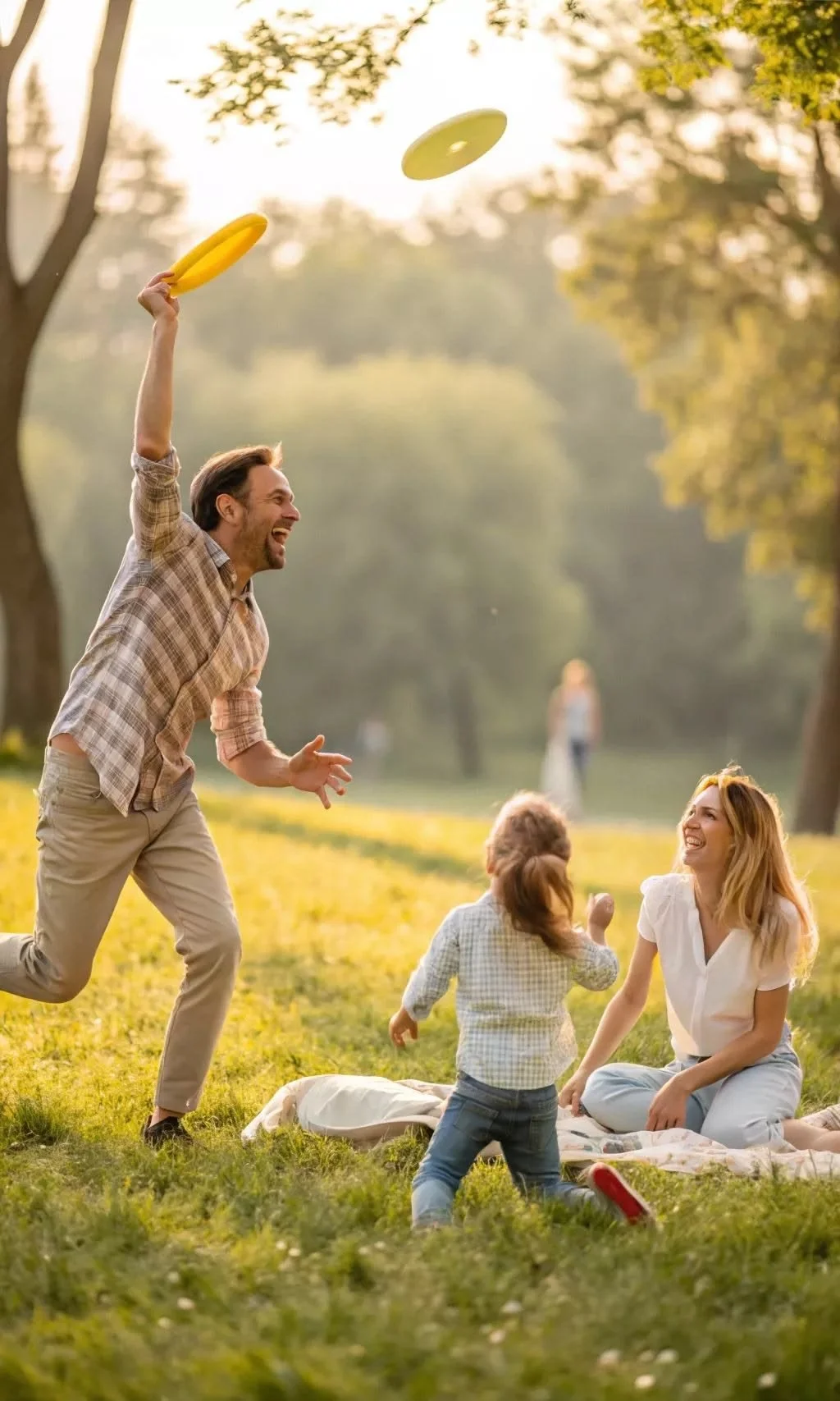
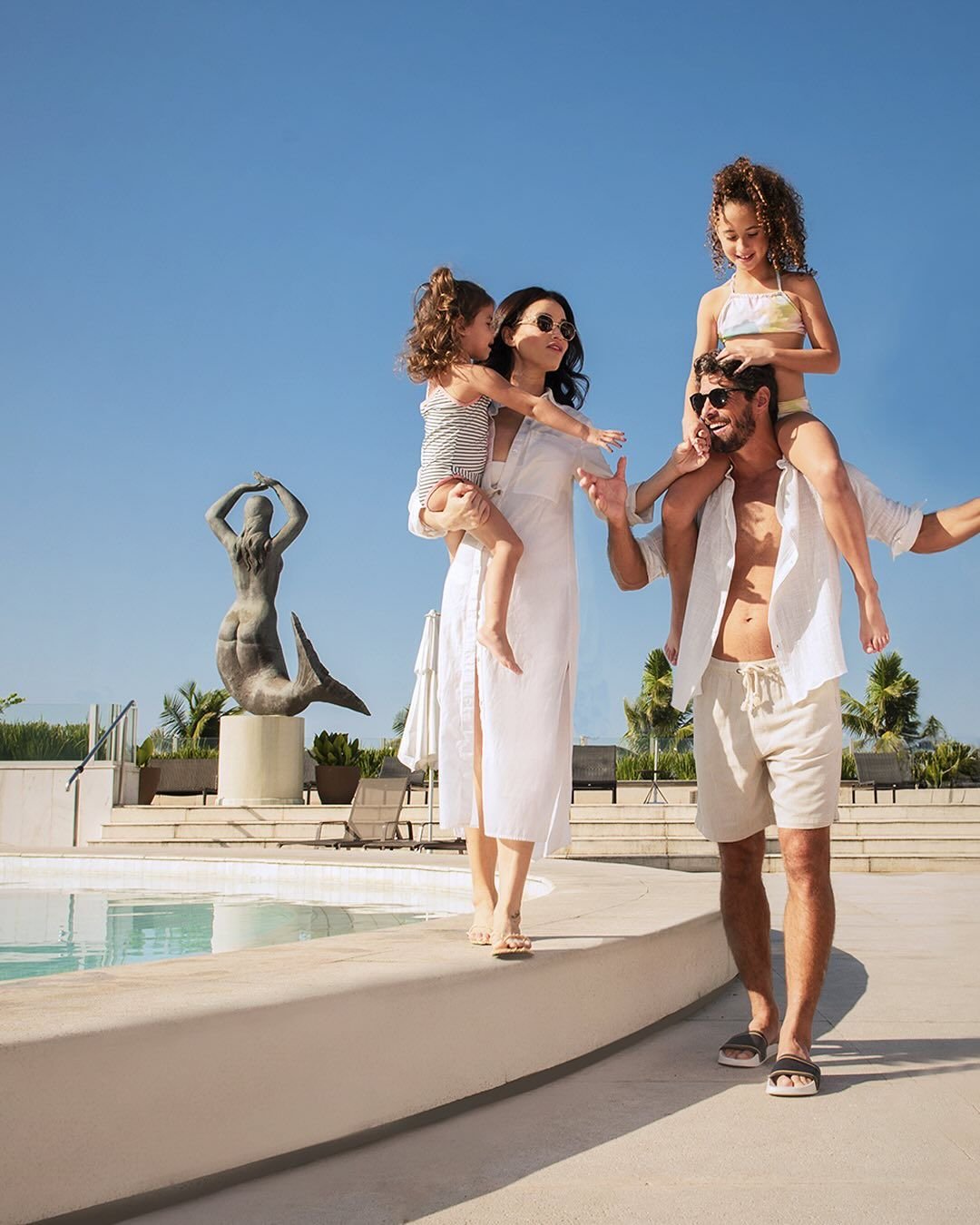
Lifestyle modeling is one of the most active and in-demand categories for kids and families right now, and it is a core part of what we do at The FAM. The goal of lifestyle content is to capture real, natural moments that feel like a window into an actual family's life rather than a staged advertisement. Think a family laughing at the breakfast table, kids playing in a sun-filled backyard, a mom and toddler on a morning walk, or a dad and his kids at the beach.
Brands across virtually every category use lifestyle content, including home goods, food and beverage, clothing, wellness, baby products, travel, and financial services. Any brand that wants to connect emotionally with a family audience is going to need lifestyle imagery, which means the demand for this type of content is consistent and broad.
Lifestyle modeling suits families and children of all ages, from newborns through teens, and it is often the best entry point for families who are new to the industry. The shoots are relaxed, the direction is loose, and the content rewards natural chemistry and genuine personality over technical skill. For families specifically, lifestyle is where the real magic happens because the dynamic between family members is the whole point.
Commercial Modeling
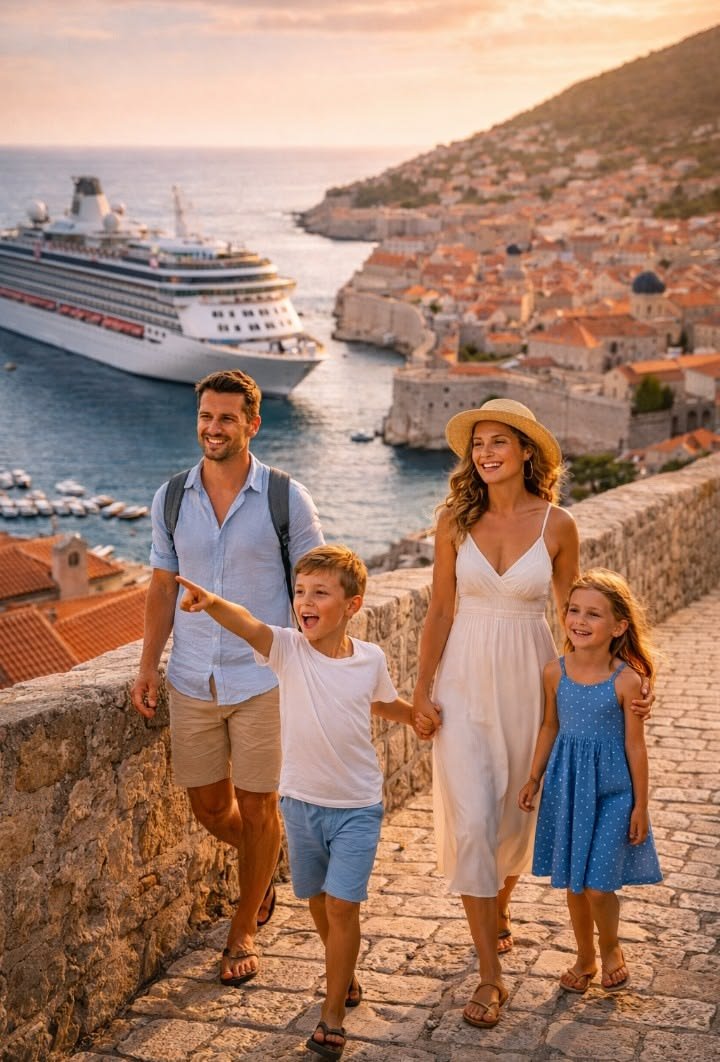
Commercial modeling is equally central to what we do at The FAM. At its core, commercial modeling is content created to sell or promote a product, service, or brand. It includes TV commercials, online video campaigns, brand films, hero campaign imagery, and any content that anchors a brand's advertising across multiple platforms. There is always a brief behind it, a creative direction, a shot list, and usually a larger production team involved. The goal is to tell a specific story or communicate a specific feeling that moves a consumer toward a brand.
That said, commercial modeling is a category that has evolved significantly in recent years. The line between commercial and lifestyle content has blurred in interesting ways, where a campaign can have a full shot list, a creative concept, video components, and a production team behind it and still look and feel like authentic, natural family content on the other side of it. The distinction between the two is still real and worth understanding, but the overlap is becoming increasingly common in how brands approach their campaigns.
A backpack brand shooting a back to school campaign with multiple shoot days, photo and video deliverables, and a detailed concept behind every shot is a commercial shoot. It may look like lifestyle content in the final cut, but it is built very differently from a loose, direction-light lifestyle session. Understanding that distinction helps families know what to expect on set and how to prepare.
Commercial modeling works well for children across a wide age range, though children who are at ease with direction and comfortable performing on camera tend to book more consistently in this category. For families, commercial work is an exciting and growing category because brands increasingly want real family dynamics at the center of their campaigns rather than individual models performing alongside strangers.

Fashion Modeling
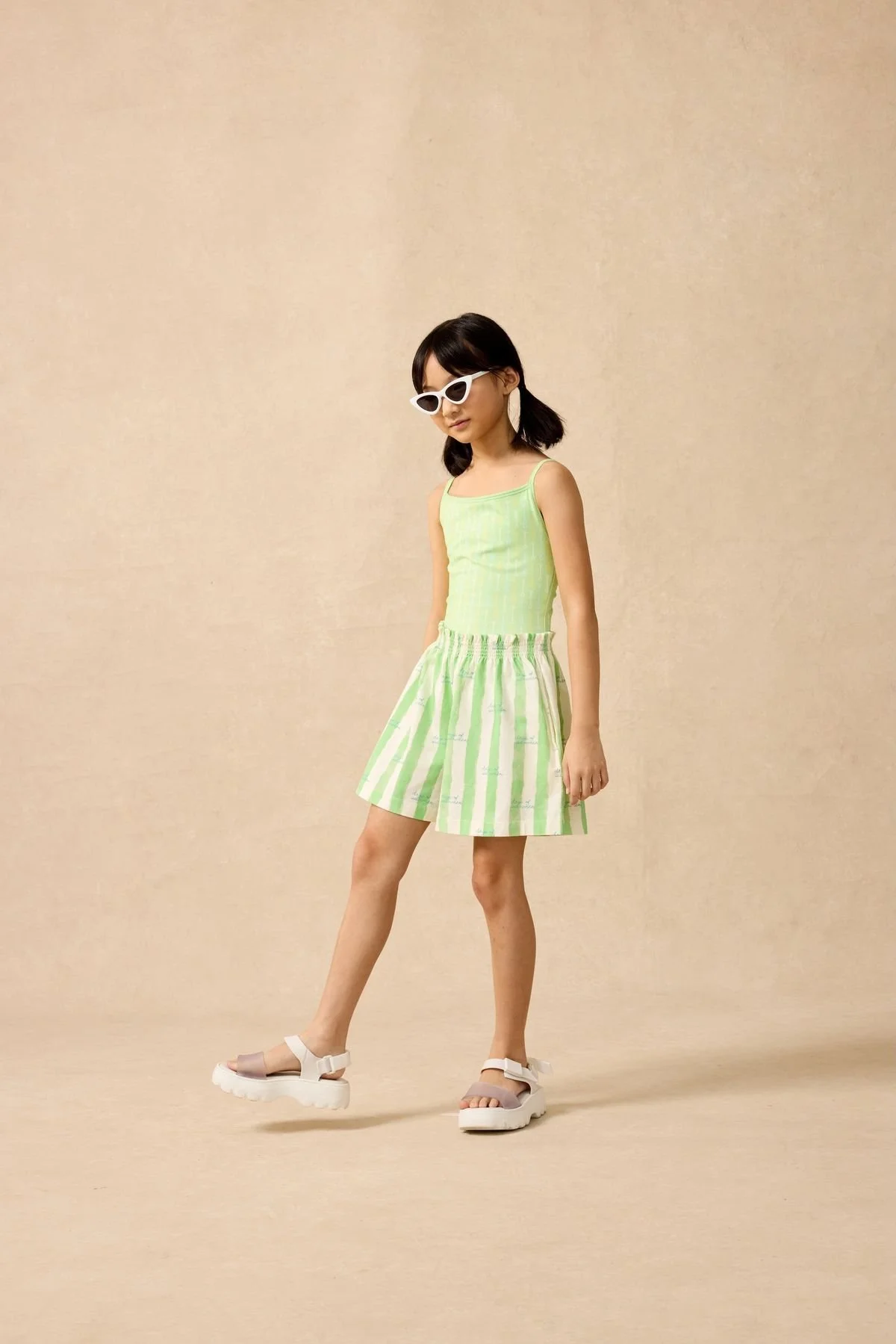
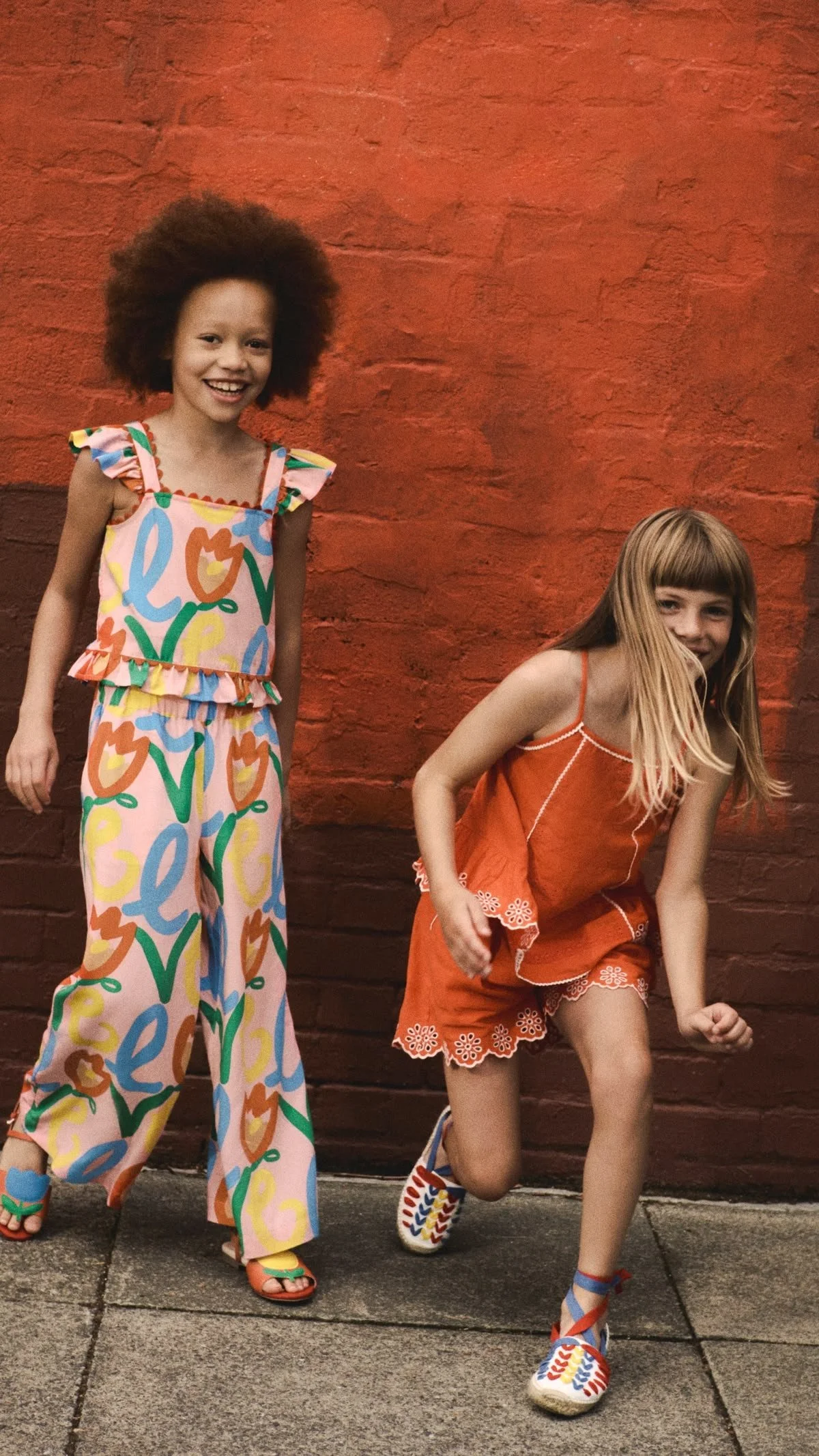
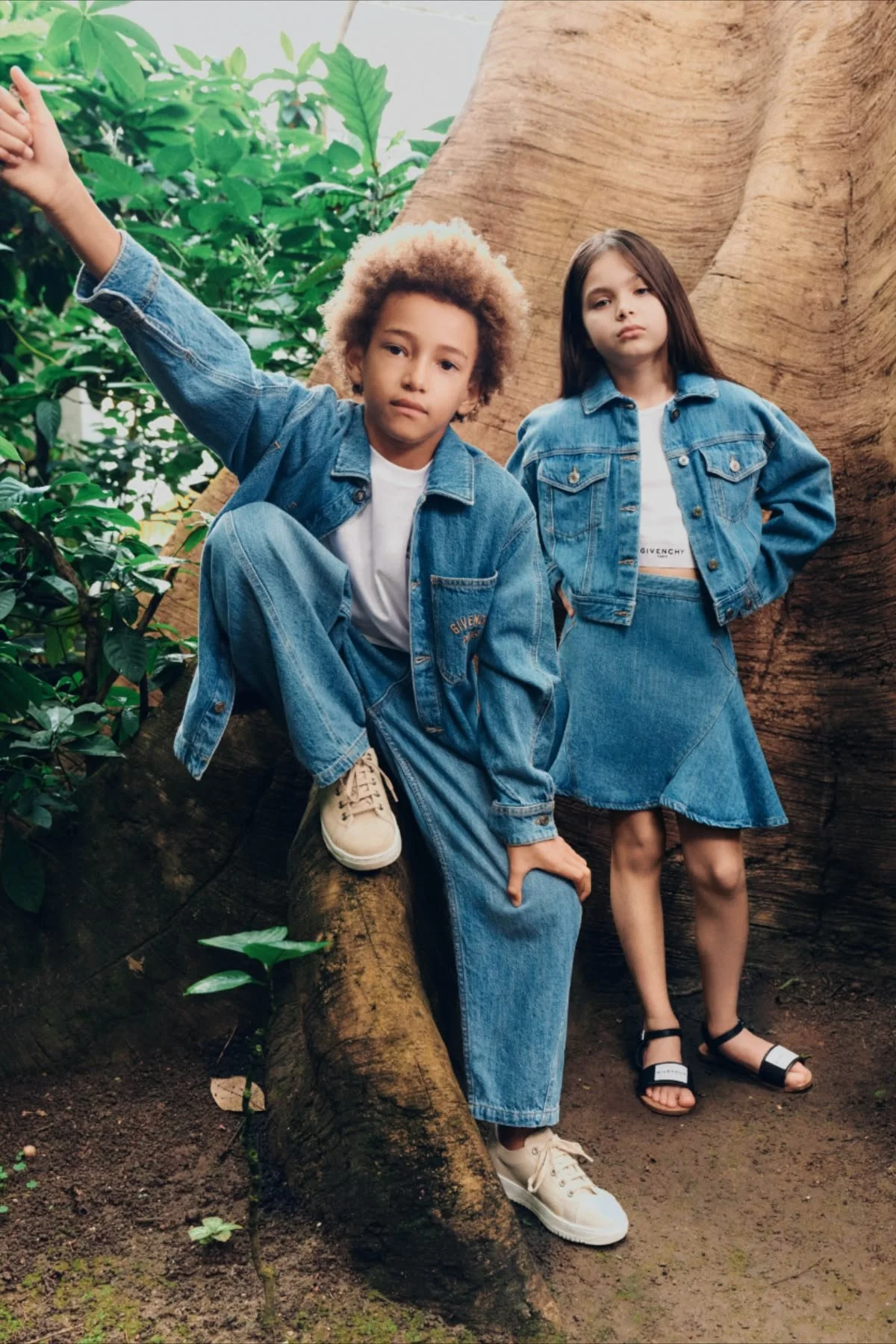
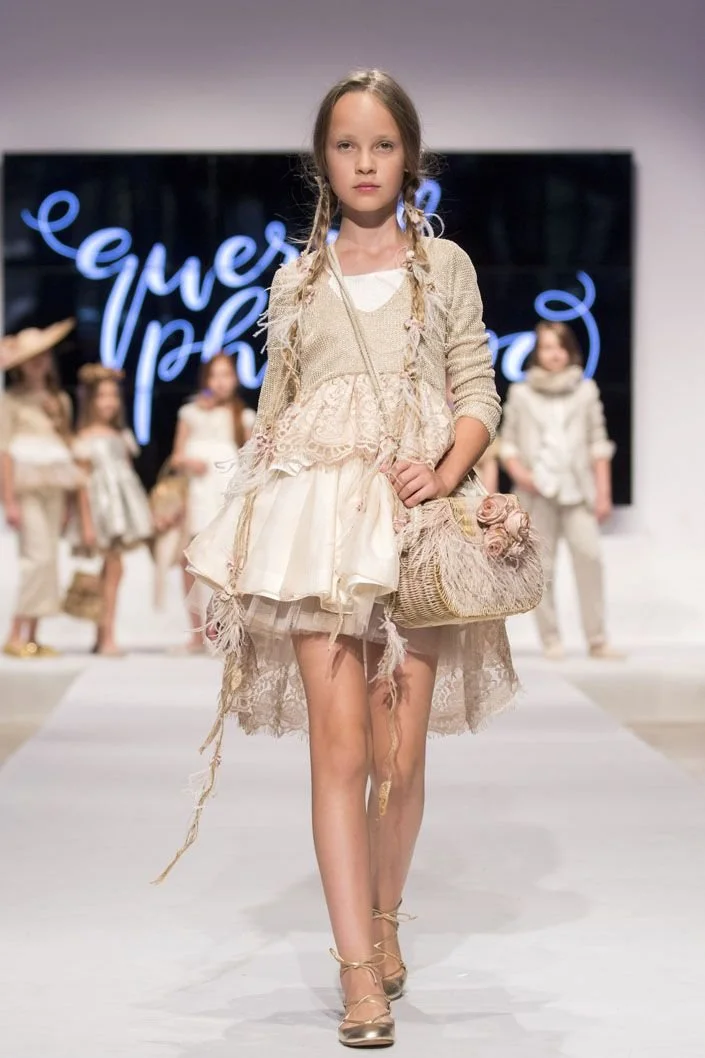
Fashion modeling for kids is more editorial and aesthetic-driven than lifestyle or commercial work. The focus is on the clothing, the image, and the overall visual story being told. Fashion content ends up in lookbooks, editorial spreads, brand campaign imagery, and online and print publications.
The direction on a fashion shoot is precise. There is a specific visual being built and the photographer and creative team are working toward a very defined image. Children who do well in fashion modeling tend to have a strong natural presence, comfort with being directed specifically, and an ability to hold a look with confidence.
Posing in fashion is also worth calling out specifically because it is different from what is expected in lifestyle or commercial work. In lifestyle and commercial shoots the goal is often to look natural and unposed. In fashion, the posing is intentional, deliberate, and part of the visual language of the image. A child who models in this category needs to understand how to use their body expressively and with purpose, how to angle themselves, hold a position, and bring an energy to a still frame that reads with impact. This is a learnable skill and one that develops with experience and, for children who are serious about this category, dedicated training.
In terms of age, fashion modeling for kids typically becomes more relevant from around age four or five upward. For younger children the category is accessible and the requirements are relatively flexible. As kids move into their preteen and teen years however, fashion becomes noticeably more selective and competitive. The aesthetic standards tighten, the creative direction gets more demanding, and the pool of talent being considered for fashion work narrows. This is not a reason to avoid the category early on, quite the opposite. A child who builds experience and develops their presence in fashion shoots at a younger age is in a much stronger position when those higher standards kick in later.
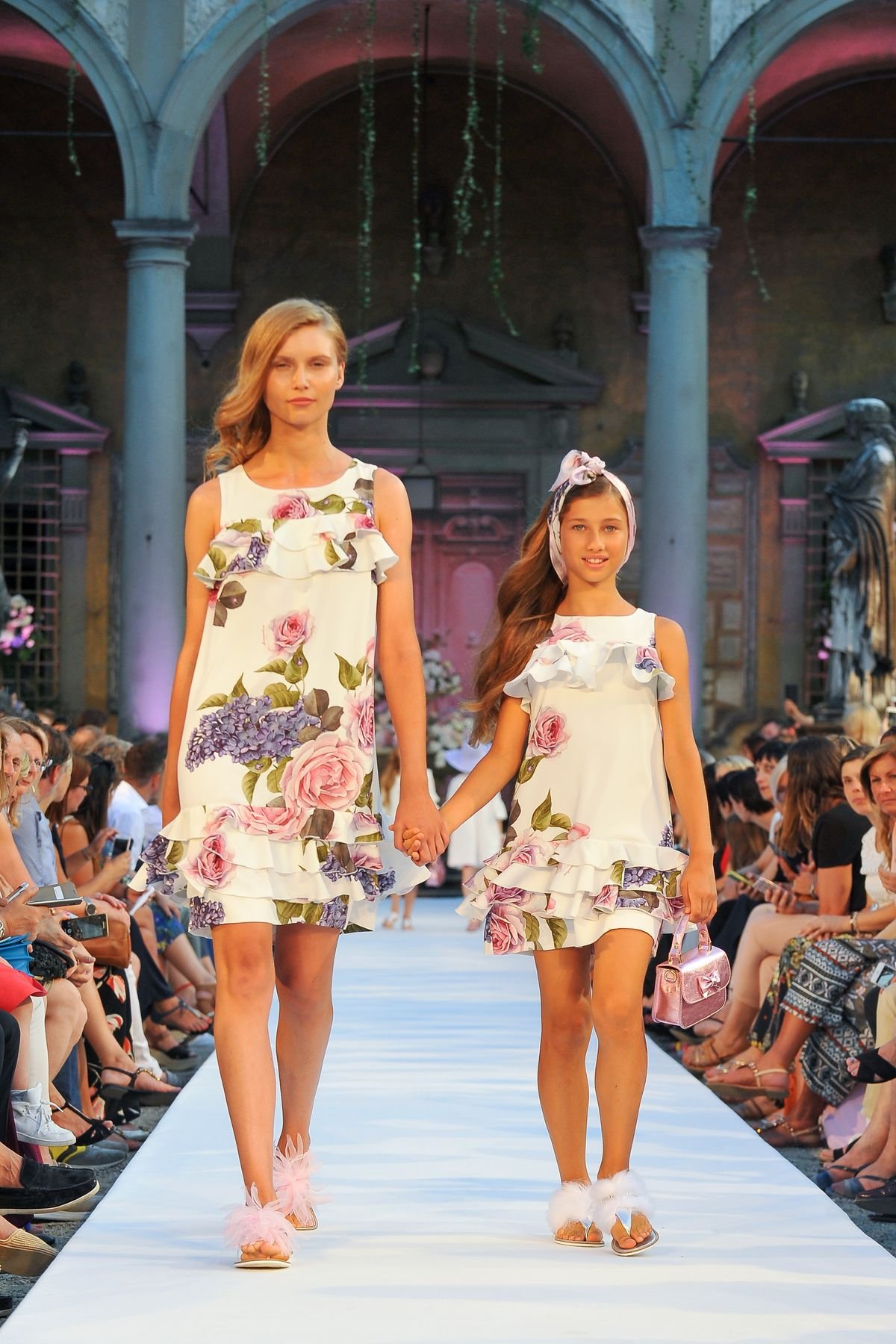
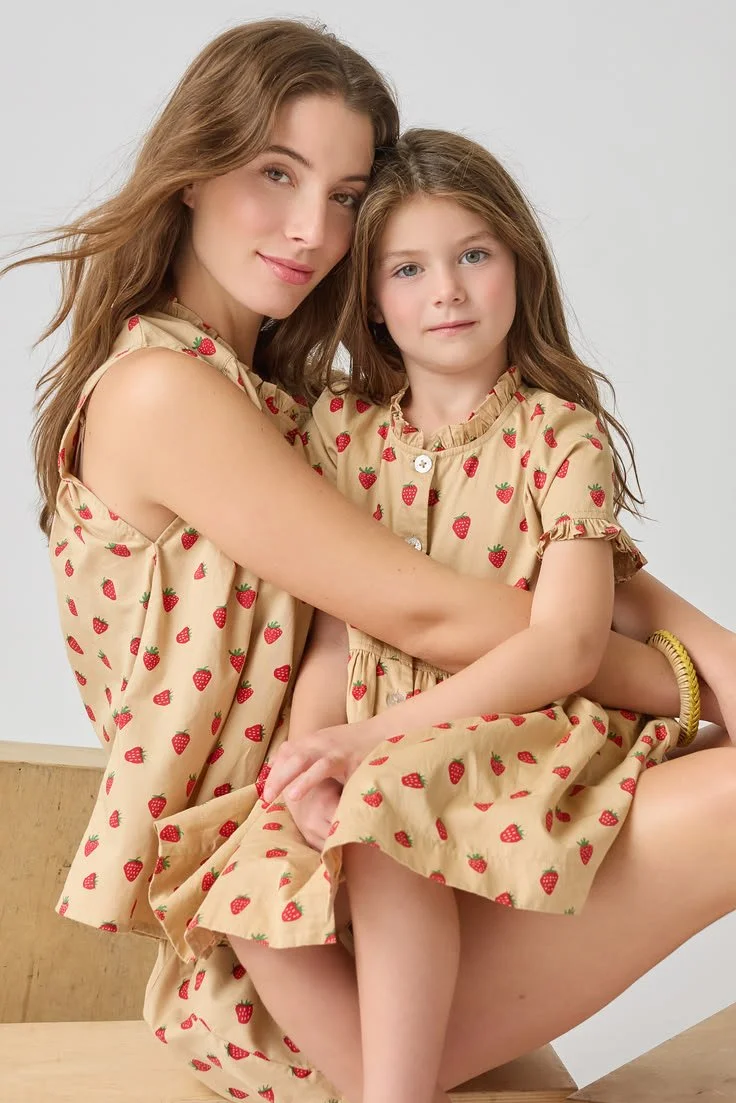
Families are less central to traditional fashion work, though mommy-and-me fashion content is a growing subcategory that blends fashion and lifestyle in a way that works beautifully for family talent. Fashion and runway also share a natural overlap worth noting. The visual sensibility, the ability to hold a look, the comfort with precise direction, these are skills that transfer directly between the two categories, and a child who is developing in fashion is often quietly building the foundation for runway work at the same time.
Runway Modeling
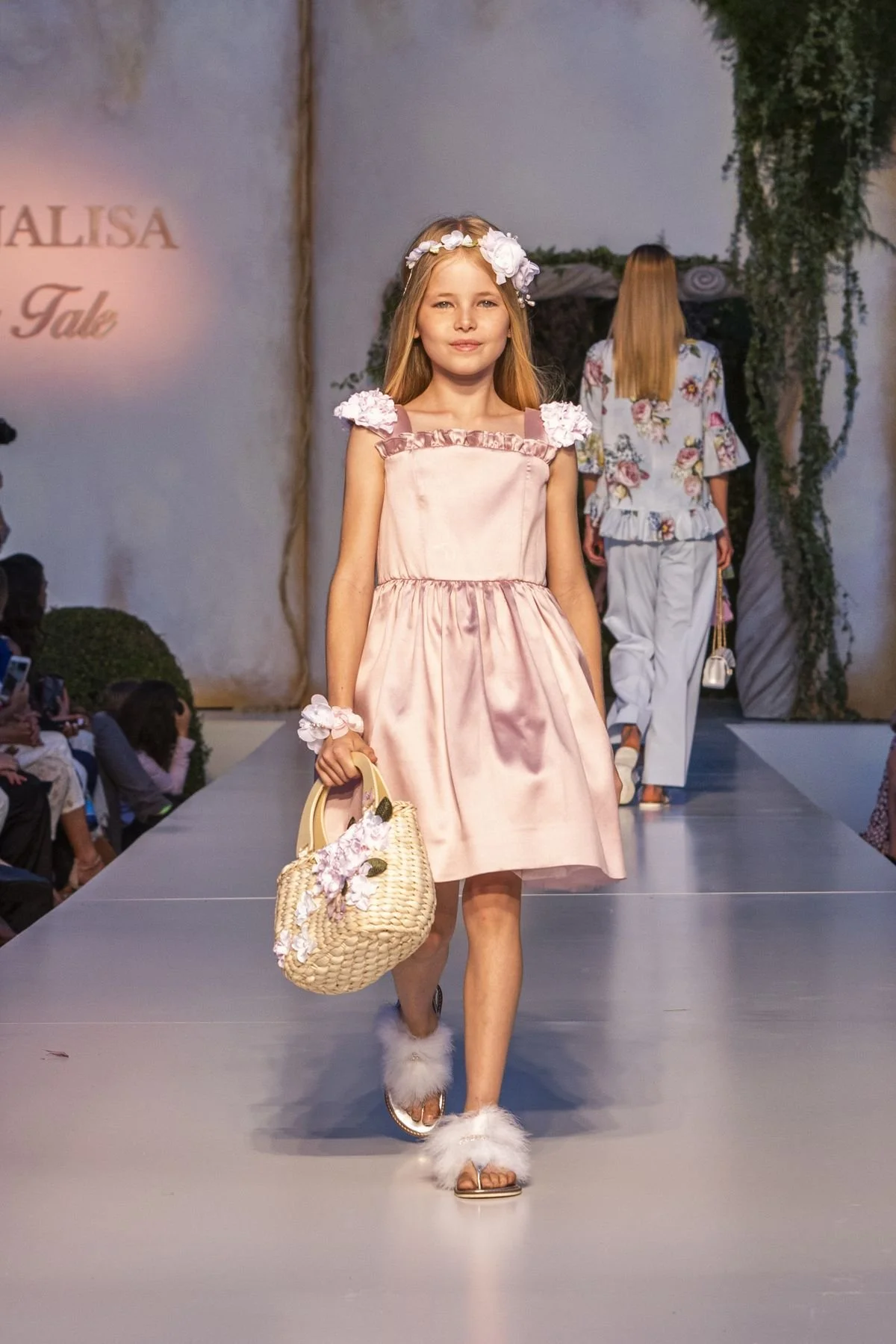
Runway modeling exists for children but it is not the dominant category in kids and family modeling and it is worth being honest about that. Most of the opportunities in kids modeling are in front of a camera rather than on a catwalk, and parents who come into the industry expecting runway work to be a significant part of their child's career are often surprised to find that it represents a small fraction of available opportunities.
That said, kids runway does exist and it can be a wonderful experience. Children's fashion weeks, local and regional runway shows, retail brand events, and charity fashion shows all occasionally feature child models. The experience of walking a runway requires a specific kind of confidence and stage presence, and children who have that quality naturally tend to shine in this environment. As noted in the fashion section, the skills that develop through fashion modeling transfer directly to runway. A child who has been doing fashion work is often already more runway-ready than they realize.
In terms of age, runway modeling for children typically starts from around five or six years old at the youngest, with older children and teens having access to more opportunities. Though you may see some mommy-and-me every now and then, runway is rarely a family category. It is individual territory.
One thing worth noting for parents whose children are already in the modeling space: learning runway technique and investing in runway training at a younger age is genuinely worthwhile. As children grow and continue to model, runway becomes a much more prominent category, and the kids who have been developing that skill quietly in the background are the ones who are positioned to take advantage of those opportunities when they arise. Getting ahead of the pack early makes a real difference.
That said, runway is one of the more competitive, requirement-driven categories in modeling. Physical development, proportions, and the specific demands of the runway world all factor into whether a child will be competitive at a professional level as they get older, and those things are simply not knowable when a child is young. It is worth developing the skill and staying open to where it leads, without placing too much weight on runway as a future cornerstone before you know how a child is going to grow. Runway has specific physical requirements that only become relevant with time, and height is one of them.
E-Commerce Modeling
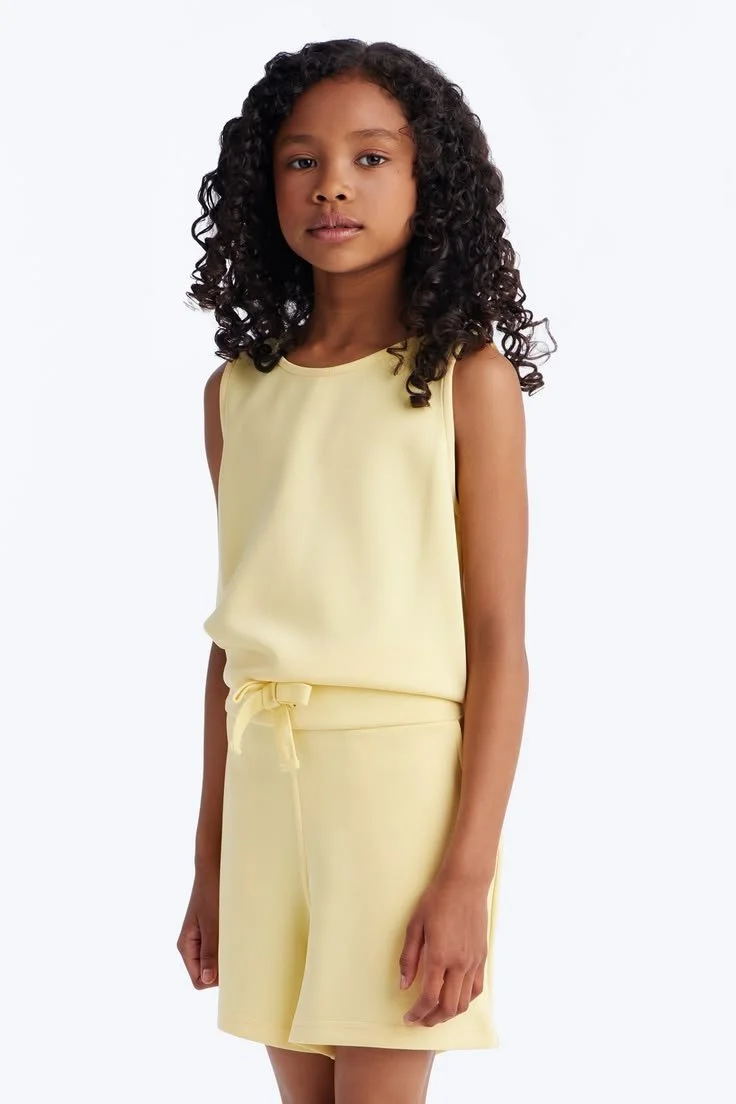
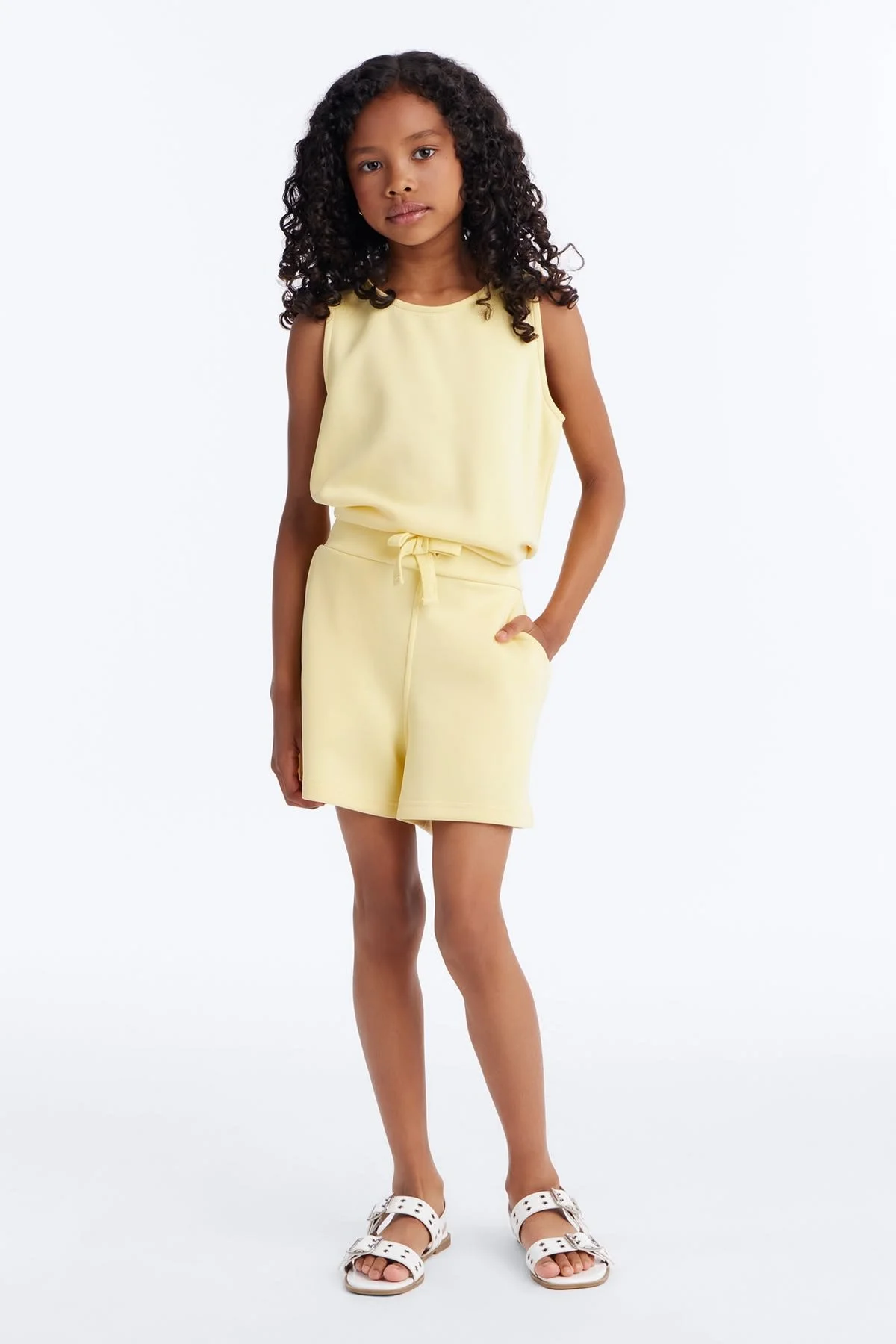
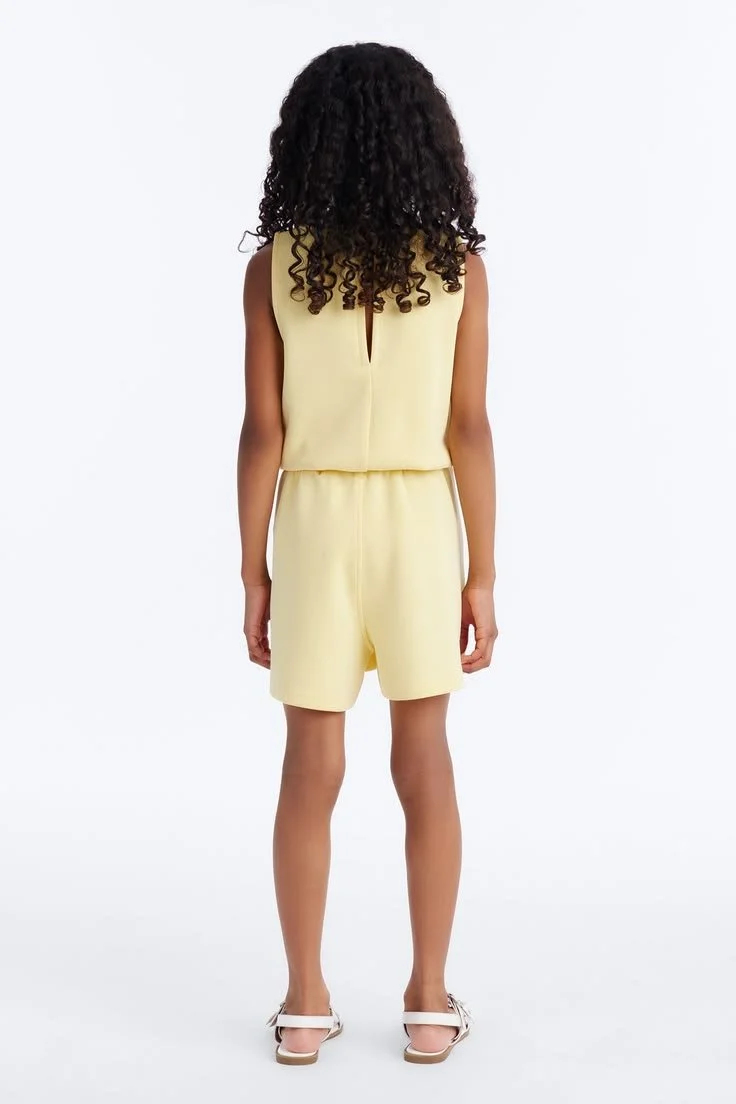
E-commerce modeling is one of the most volume-driven categories in the industry. When a clothing brand needs to photograph an entire season's worth of product for their website, that is an e-com shoot. The goal is to show each garment clearly, consistently, and in a way that helps the online customer understand what they are buying.
E-com shoots are studio-based, fast-paced, and high volume. A child or family booked for e-com may move through a significant number of outfit changes in a single day. There is a standard foundation of positions that e-com models work from, and a photographer builds on those with specific direction throughout. Efficiency and professionalism are the hallmarks of a strong e-com model.
Because of the pace and volume involved, e-com modeling is generally better suited to children and families who already have some shoot experience and a degree of technical foundation. It is not the ideal starting point for brand new talent, but for families who have built their experience in lifestyle and commercial work, e-com can become a reliable and well-paying category. Children as young as toddler age can book e-com work for kids clothing brands, and mommy-and-me and family e-com shoots are common for brands that sell coordinated family apparel.
Print and Catalog Modeling
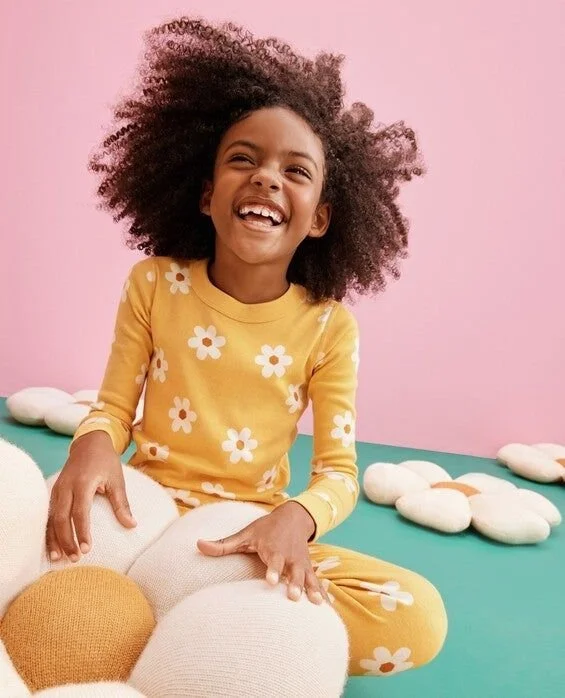
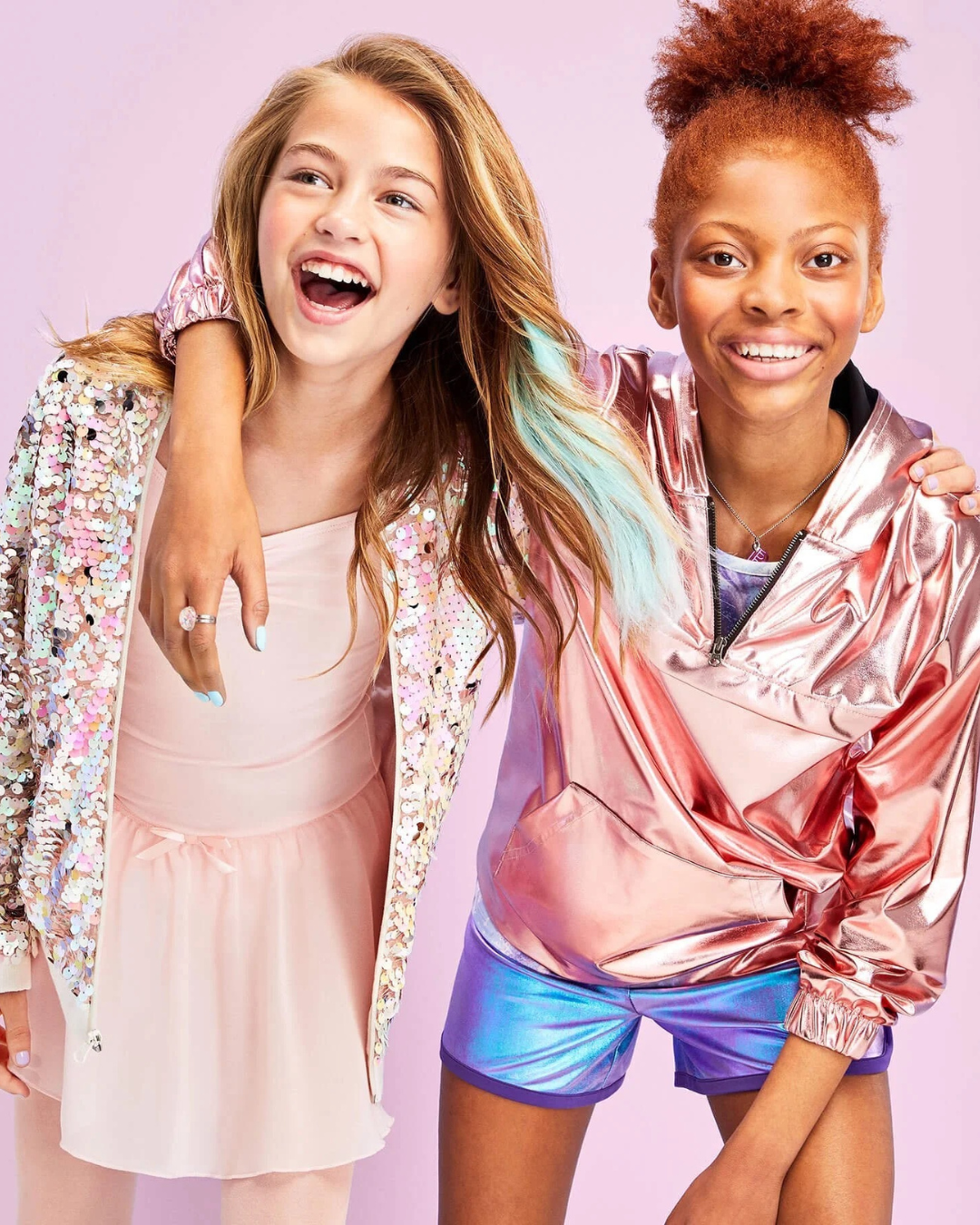
Print and catalog modeling has a long history as one of the foundational categories of the modeling industry, and while the landscape has shifted significantly toward digital, it has not disappeared. Physical catalogs still exist for many retail brands, and print advertising continues to appear in magazines, direct mail, and in-store materials.
The distinction worth understanding in today's market is that what used to be called catalog work has largely evolved into e-commerce content, and what used to be called print advertising has largely moved online. The technical skills are similar, the production environment is comparable, and the look brands want across both is often the same. The difference is primarily in where the final content lives and how it is distributed. Think of this category as the banner and category images you see on a website, rather than the individual product images.
For kids and families, print and catalog work remains a legitimate and active category, particularly for retail clothing brands, baby product companies, and family-focused retailers. Age range is broad and the work is accessible to families at various stages of their modeling journey. Understanding that the line between print, catalog, and digital content has blurred significantly helps parents navigate opportunities in this space without getting hung up on outdated distinctions.
Baby and Toddler Modeling
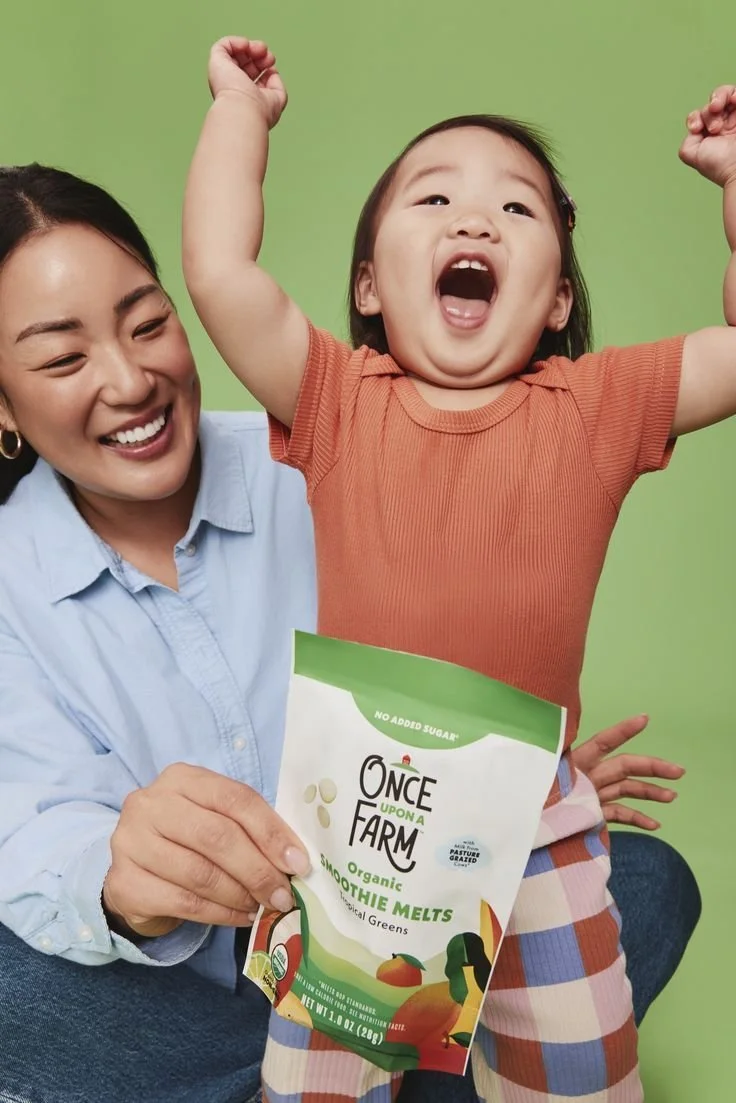
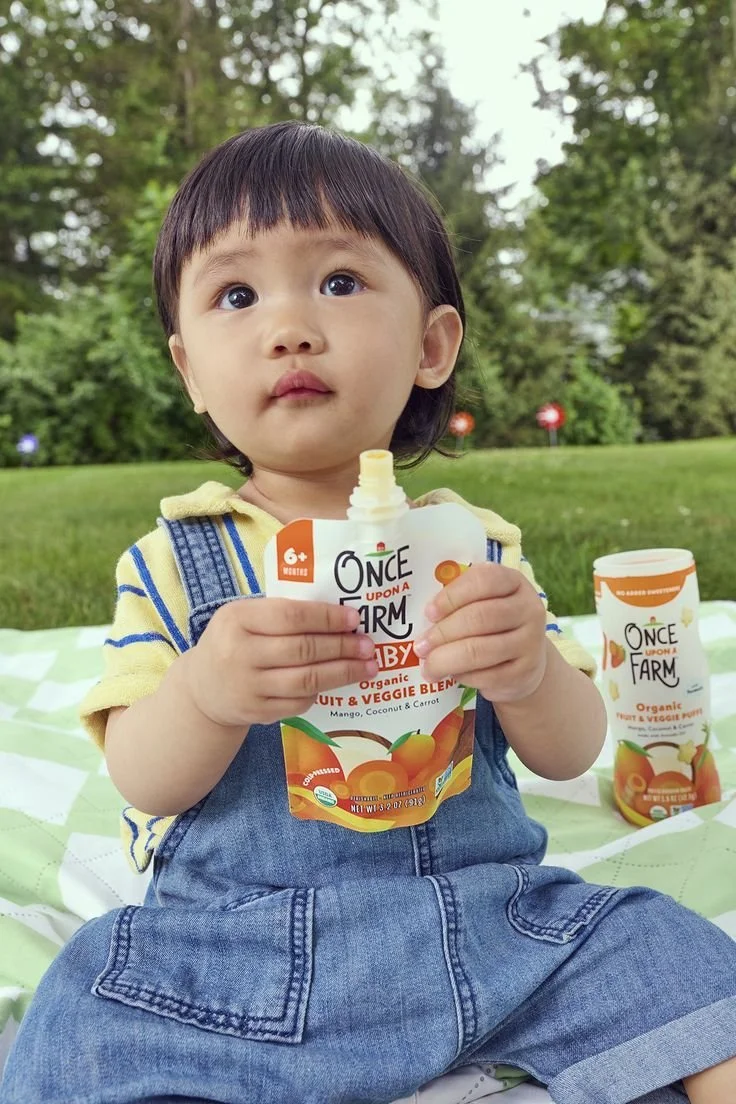
Baby and toddler modeling is its own world entirely and deserves its own category. The youngest models, from newborn through approximately age three, are in constant demand for baby product brands, clothing companies, lifestyle campaigns, parenting publications, and family-focused advertisers. The market for baby and toddler talent is genuinely active and the competition, while real, is manageable for families who submit strong, current content.
What makes baby and toddler modeling unique is that the child themselves has very little direction to follow. A successful baby or toddler shoot is almost entirely dependent on the parent creating the right environment, keeping the child comfortable and happy, and allowing the photographer to capture natural moments as they unfold. A genuinely happy, relaxed baby on camera is worth more than a technically perfect older model.
This is also where family modeling begins for many families. Moms, dads, and older siblings are regularly included in baby and toddler brand shoots, and the connection between a baby and their own parents is genuinely irreplaceable on camera. Brands know it and productions are built around it. At The FAM, we prefer families with babies and toddlers to apply as a full family unit for exactly this reason. Children at this age are most comfortable and most natural when their own parents are part of the production, and that comfort shows in every frame. If you have a baby or toddler and are thinking about submitting, bring the whole family. That is where the real opportunity is.
Mommy and Me and Family Unit Modeling
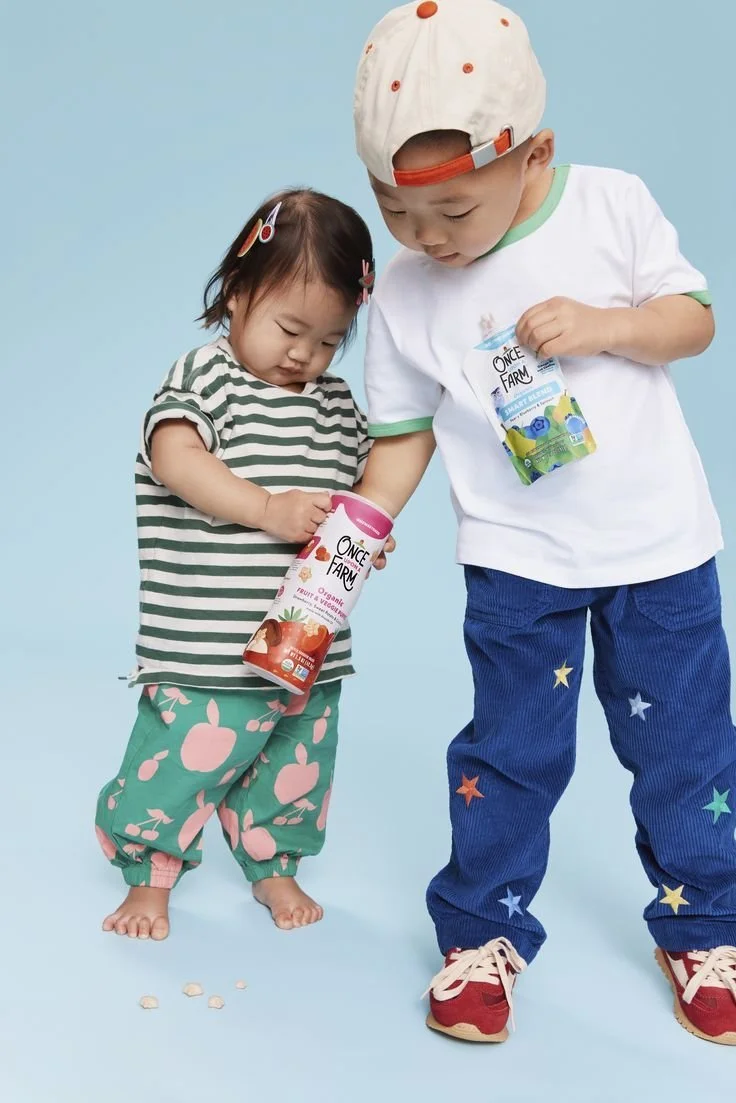
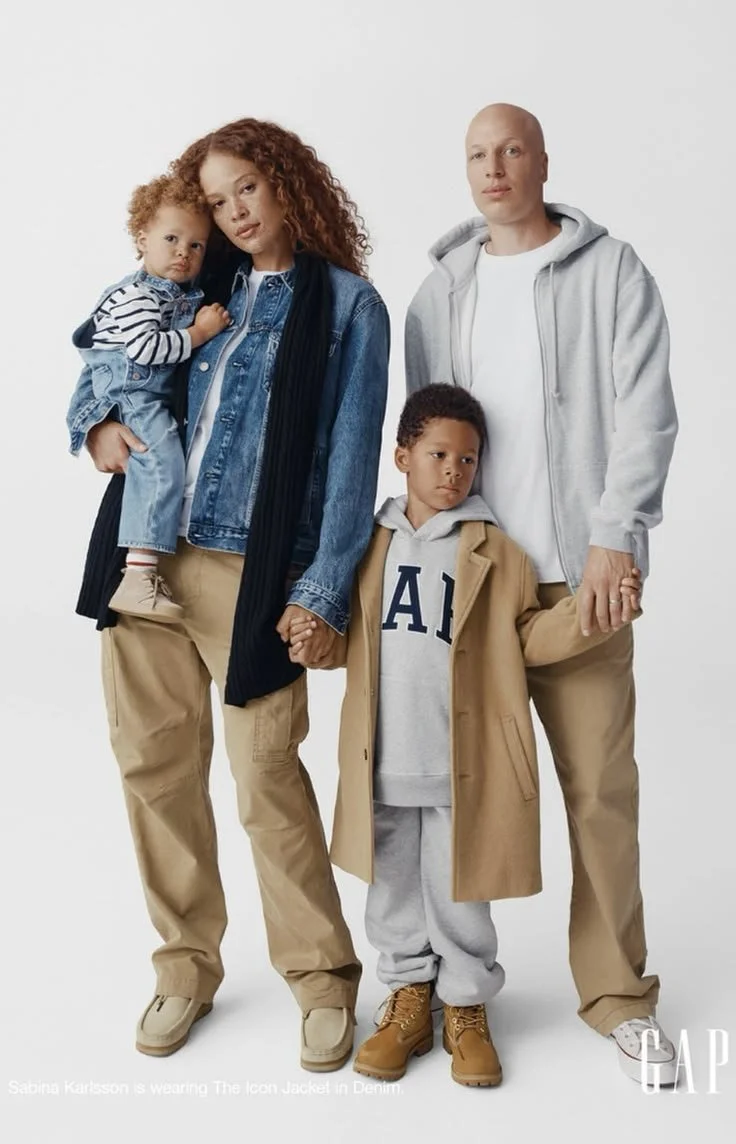
The mommy-and-me and family unit category has grown significantly in recent years and shows no signs of slowing down. Brands across lifestyle, fashion, wellness, food, and travel are increasingly seeking whole family groups, parent-and-child pairs, sibling sets, and multi-generational families for their campaigns. The demand for authentic family chemistry in brand content is at an all-time high.
What makes this category exciting for families is that the dynamic between family members is the entire product. A mom and daughter who genuinely laugh together, siblings who have a natural ease with each other, a dad who is visibly warm and present with his kids, these are the qualities brands are paying for and they cannot be manufactured on set with strangers. Real families have an inherent advantage here that no assembled group of individual models can replicate.
This category spans virtually every age group and works across lifestyle, fashion, commercial, and e-com shoot types. Depending on the project type, it can be one of the most accessible categories for families who are new to modeling. In many lifestyle and commercial settings, the primary requirement is genuine connection rather than technical skill. If your family has that, and most families do, you already have what this category is looking for.
How to Know Where Your Family Fits
Most families and children are not limited to one category. A child who is great at lifestyle work may also be perfect for commercial shoots. A family who books e-com may also be sought after for brand campaigns. The categories are not rigid and the families who build the most consistent careers tend to develop range across multiple types over time.
The best starting point is simply to get your family in front of a casting company that works across all of these categories and can match you to the right opportunities as they come in. Your portfolio, your look, your family dynamic, and your availability all inform which briefs you are right for, and those things become clearer with every shoot.
At The FAM we cast across all of these categories for real kids and families across Palm Beach County and South Florida. If you are not sure where your family fits, submit and let us take a look. Figuring that out is part of what we do.