Virtual Auditions and Self Tapes for Kids and Families: What Every Parent Needs to Know
By the FAM | Florida Family & Kids Casting Experts
If you are new to the world of kids and family modeling, the term virtual audition or self tape might sound a little intimidating. It does not need to. Understanding what these are, when they come up, and how to do them well is one of the most useful things a parent in this space can know. This post walks you through all of it.
What Is a Self Tape?
A self tape is a short introductory video that gives a casting agency or brand a moving picture of who your child or family is beyond your submission photos. Where a photo shows what you look like, a self tape shows how you move, how you come across on camera, and what your natural energy and personality feel like in motion. Clients use these to get a better sense of how someone looks and presents before committing to a booking.
Self tapes can be recorded for an individual child, a parent and child together, or a full family unit depending on what is being requested. Sometimes a brand wants to see a child on their own. Sometimes they want to see the family dynamic. Sometimes both. The direction you receive will always make that clear.
When Self Tapes Come Up at The FAM
Our standard submission process is photo based. When you apply, we are looking at your photos to assess fit and potential. Self tapes are not something we always ask for upfront, but we will always accept them. There are two specific situations where they come up.
The first is when we want to get to know a family or child better on our end, to have a more complete picture of who they are as we consider them for briefs and to strengthen their profile. A good self tape is a strong asset in preliminary casting rounds. It shows personality, brings energy to a submission, and helps you stand out when we are presenting your profile to brands. Having one on file means we can send it alongside your photos without any delay, giving brands a richer and more engaging picture of who you are before they ever meet you in person. When we request this kind of tape, we will give you specific direction on what we are looking for.
The second is when a brand or production company requests or requires a self tape as part of their casting process for a specific project. In these cases the client will often provide very specific prompts, directions, or scenarios, and we pass those directly to you with clear instructions. Brand specific self tapes are almost always highly particular to what that client needs, so the direction you receive will be tailored accordingly.
Why This Matters in the Florida Market
Florida is one of the most active production markets in the country for family and kids content. The resorts, theme parks, beaches, and family lifestyle destinations that define this state draw brands and production companies who are consistently creating content featuring real families in real Florida settings.
Being based in South Florida is a genuine competitive advantage. Brands and productions working in this market actively seek local talent. They want families who are already here and do not require the logistics of bringing talent in from out of state. Having a strong self tape on file positions your family to be considered for those local briefs quickly and confidently when they come in. In a market this active, being prepared matters.

What a General Self Tape Looks Like
Think of a self tape as a warm, natural introduction that gives a casting agency or brand a complete picture of how you look and present on camera. The specific elements vary depending on who is the focal point and what has been requested, but here is an overview of the standard structure and who each element applies to.
The slate. This is always the opening of any self tape regardless of age or who being recorded. The model looks directly into the camera and gives a brief, natural introduction. Keep it warm and conversational, not rehearsed.
For children, it typically includes their name, the casting company they work with if applicable, where they are from, and something light like a favorite activity or hobby. For very young children, the slate is often the primary element of the tape and that is completely appropriate. A confident, genuine hello from a little one is often exactly what a brand needs to see.
For a family tape, each person introduces themselves briefly before the group does something natural together.
For parents or adults doing an individual tape, the slate includes an introduction by name, casting company, height, and location, before moving onto the next phases.
Profile turns. The model turns slowly to their right to show the right profile, back to face front, then to the left to show the left profile without moving their feet. This applies across age groups but is more commonly requested for older children, teens, and adults. It may not always be part of a younger child's tape.
Hand check. The model holds their hands out flat with palms facing the camera, then flips them over. Parents and adults doing individual self tapes should expect this to be included. For kids and teens it comes up less consistently but it does happen, particularly for product campaigns where children's hands are featured.
Full body and walk. The model steps back so their full body is visible from head to toe, walks toward the camera with natural, confident posture, pauses, and walks back. For adults and parents doing an individual tape, expect this to be a standard part of the request. For older children and teens it is commonly included. For younger children it may be simplified or not requested at all depending on the brief and the child's age.
The direction you receive will always tell you exactly which of these elements are needed. Knowing this full range means you and your child are never starting from zero when the request comes in.
Setting Up Your Filming Space
Getting the technical setup right does not require expensive equipment but it does require intention. Here is what to focus on.
Orientation. Before you start, confirm whether the tape should be filmed horizontally or vertically. This will be specified in the direction you receive. When in doubt, horizontal is the standard for most modeling self tapes.
Background. A plain, neutral wall works well. White, grey, or beige are all good options. If you do not have a clean wall available, a simple backdrop purchased on Amazon is an affordable and practical solution that many families and creators use specifically for this purpose. No clutter, no patterns, nothing that pulls attention away from the person in the frame.
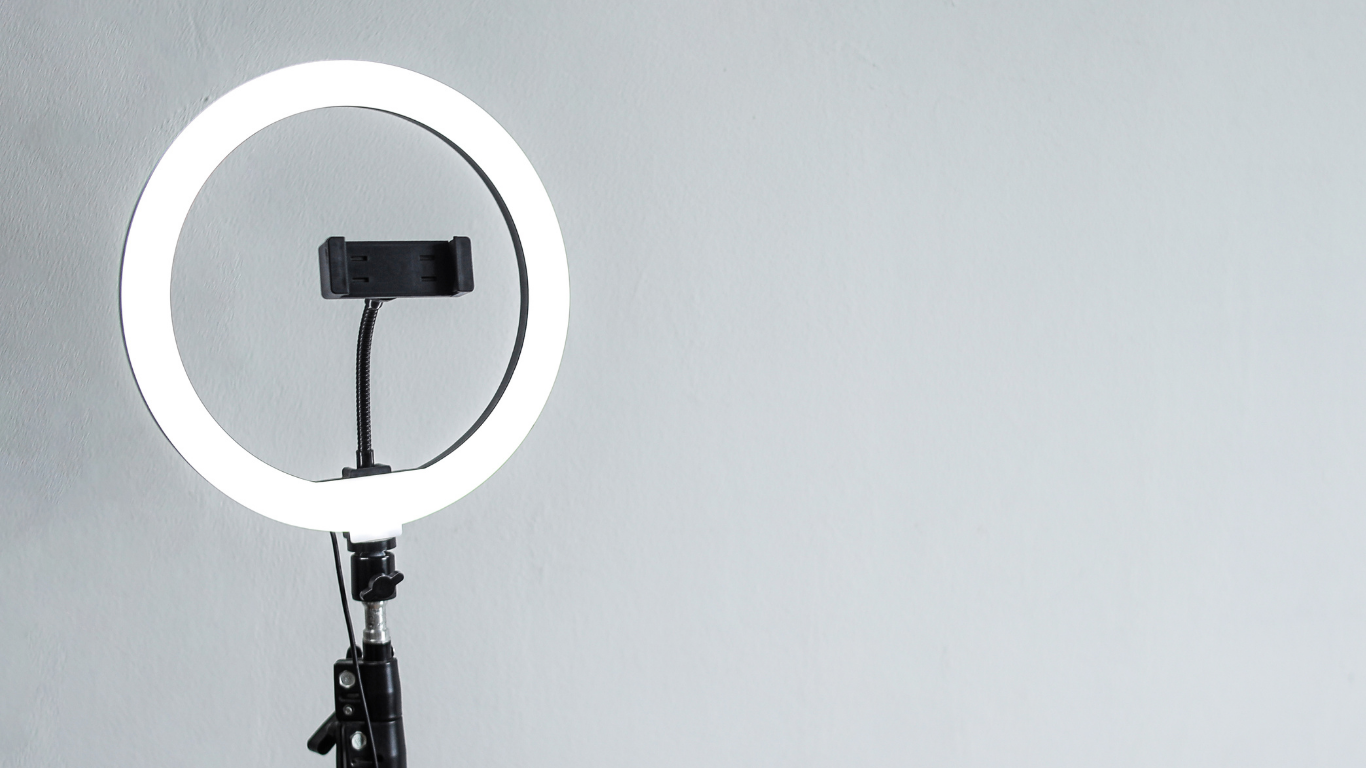
Lighting. Natural light from a large window is your most accessible option. Position your child or family facing the window so the light hits them directly and evenly. Avoid standing with a window behind them which creates shadows and silhouettes. If your space has limited natural light, or you want to up your lighting game, a simple one-light setup makes a significant difference. A ring light is one of the most popular and practical options for at-home self tapes and is widely used by models and creators. You do not need anything elaborate. One good light source aimed at the subject changes the quality of a self tape dramatically.
Camera stability. Use a tripod or prop the phone against something stable. Do not hold the camera while recording. The shot needs to be still and level throughout.
Sound. Record in a quiet space with no background noise, music, or competing sounds. Clean audio is non-negotiable. A tape where the sound is unclear is significantly less useful regardless of how well everything else is executed.
Wardrobe and Presentation
Keep wardrobe simple and fitted. The industry standard for a general modeling self tape is fitted dark jeans and a plain fitted white t-shirt or tank top. For families recording together, aim for coordinating rather than matching. Everyone in simple solid colors that feel cohesive without being distracting.
For hair and makeup, keep it natural and consistent with how your child or family looks in their digitals. Little to no makeup, natural hair, clean and neat. The tape should look like a polished version of how you actually look, not a styled-up version that does not match your everyday appearance.
One thing worth flagging specifically: nails. Anyone appearing on camera in a self tape should have clean, neutral nails. No bright colors, no bold nail art, no long or dramatic lengths. If modeling is something you are taking seriously, this is a small but visible detail that casting companies and brands do notice.
When You Receive Specific Directions
When a self tape is requested for a specific brief or brand, read the directions carefully and follow them exactly. If they ask for a specific scenario, a particular interaction, or a specific tone or energy, deliver what has been asked for rather than what you think looks best.
Record more than one take. Watch it back before you send it. Ask yourself honestly whether what you recorded reflects what was asked for. If it does not, record it again. And if something in the direction is unclear, ask before you record rather than guessing. We would always rather answer a question upfront than receive a tape that missed the brief.
A Few Things to Avoid
Do not use heavy filters or editing. What the brand sees in the tape needs to match what they see on set.
Do not over direct your child during recording. Coaching from the side, mouthing words, or gesturing while the camera is rolling affects how the child comes across and is often visible on tape. Set up the environment, explain what is needed, do a practice run, and then let them go.
Do not submit the first take automatically. Watch it back, make sure the technical basics are right, and make sure the energy and content reflects what was asked for.
After You Submit
Once a self tape is in, the process moves the same way as any other submission. If it is for a specific brand brief, you’ll send it to us, the client reviews and indicates interest from there. If it is a general tape for our files, it goes into your profile and becomes part of how we present you to brands and productions when the right brief comes in.
Send it and let it go. You have done what you can do. The rest is about fit and timing, and that is always the case in casting regardless of what form the submission takes.
Ready to Be Prepared When the Moment Comes?
Self tapes do not come up for every family or every brief, but when they do, being ready to deliver a strong one quickly makes a real difference. Families who understand the process and can execute a clean, professional self tape on short notice are the ones who stay competitive when opportunities come in.
At The FAM we will always give you the guidance you need when a self tape is requested. But the fundamentals in this post are worth knowing before that moment arrives.