Model vs. Influencer vs. UGC Creator: What's the Difference?
By The FAM | Florida Family & Kids Casting Experts
Working with brands doesn't automatically make you a professional model.
With the rise of influencer marketing and user-generated content (UGC), the lines between modeling and content creation have become increasingly blurred. While all three involve working with brands, they require different skills, serve different purposes and come with different professional expectations.
For parents exploring modeling opportunities for their children or families, understanding these distinctions is especially important.
1. What Does a Professional Model Do?
Think about the imagery you see in a brand's advertising campaigns, on its website or featured in its seasonal product launches.
The family enjoying breakfast in a lifestyle campaign. The couple checking into a hotel for a resort campaign. The children modeling a new clothing collection. The parents and babies featured in a national advertisement.
This is the world of professional modeling.
Models are hired to bring a brand's creative vision to life. They're often the faces featured in primary campaign imagery, professionally produced advertisements, e-commerce photography and other marketing materials.
Unlike independent content creation, professional modeling typically involves working within an established production. The creative concept and visual direction have already been developed, and the model is hired to help bring that vision to life.
That takes skill, adaptability and experience in front of the camera.
Experienced models understand how to pose, create movement, control their expressions, respond to direction and adjust their positioning to produce what a photographer or production needs. Just as importantly, they're not simply relying on the poses, expressions or angles they personally prefer. They're adapting their performance to someone else's creative vision.
What that looks like varies by project. A lifestyle campaign may prioritize natural expressions and believable interactions, while a commercial production may work from a predetermined shot list with specific emotions, interactions and product moments to capture. E-commerce and catalog shoots can be faster-paced, requiring models to move efficiently through numerous looks, deliver repeatable poses and make quick adjustments with minimal direction.
The specific skills vary, but the expectation is the same: a professional model needs to understand what the production is trying to capture and help deliver it efficiently.
For children and families, those expectations naturally look a little different. Children aren't expected to perform like experienced adult models, but temperament, adaptability, the ability to take age-appropriate direction and comfort in a professional environment are valuable qualities. For real families, their existing chemistry can be a significant advantage.
Ultimately, a model is hired for their suitability for a particular role and their ability to deliver what the production needs, not for their personal brand or social media following.
The key distinction: A professional model is hired as talent to execute a creative vision, and the ability to perform within that vision is the job.

2. What Does a UGC Creator Do?
UGC stands for user-generated content. Today, the term is also commonly used to describe paid content commissioned from independent creators to resemble organic social media content.
Think product demonstrations, unboxing videos, tutorials and everyday routines.
A brand typically provides a product and creative brief, and the UGC creator develops, films, edits and delivers the finished content. The goal is often to create something that feels relatable and native to social media rather than like a traditional advertisement.
Unlike influencers, UGC creators don't necessarily need an established following. The brand is primarily purchasing the content itself rather than access to the creator's audience.
The key distinction: A UGC creator is primarily hired to produce content, while a professional model is hired to perform as talent within a creative production.
3. What Does an Influencer Do?
An influencer is someone who has developed an audience and established a relationship with the people who follow their content.
When brands partner with influencers, they're investing in more than the content itself. They're also paying for access to that audience, the creator's credibility and the opportunity to introduce products through a familiar voice.
Unlike traditional modeling, the influencer's personal brand is central to the partnership. Their personality, content style, audience demographics and engagement all contribute to their value. They may also handle creative development, filming and editing themselves.
The key distinction: An influencer is hired in large part for the audience and personal brand they've built. Rather than being hired primarily as talent within a brand's production, they're typically partnering with the brand through their own platform and content.
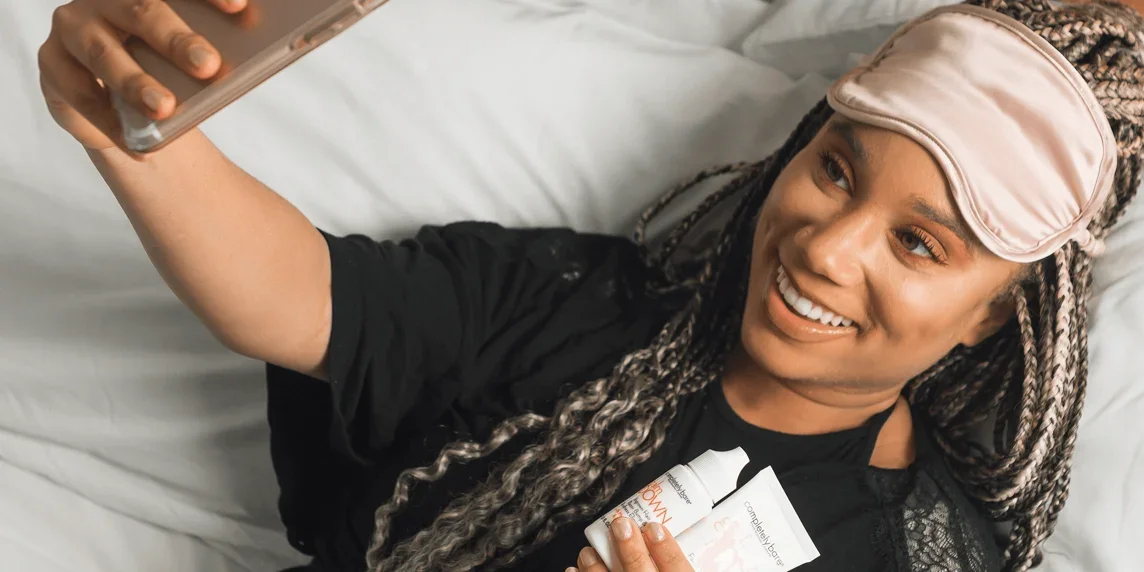
4. One Brand, Three Different Roles
Imagine a children's clothing brand preparing to launch its new summer collection.
The Model
Primary campaign imagery
The brand hires child and family models for its main campaign shoot. A professional production team captures imagery for its website, advertisements, product launches and other marketing materials.
The UGC Creator
Social-first content
The brand commissions a parent to create an at-home unboxing video demonstrating the clothing. The finished content is delivered to the brand for its social media marketing.
The Influencer
Audience and distribution
The brand partners with a family influencer who introduces the collection to their followers, using their established audience to generate awareness and interest.
All three contribute to the brand's marketing strategy, but they're performing different jobs.
Where the Skills Overlap
These roles aren't mutually exclusive. A model can also be an influencer. An influencer can be hired as talent for a campaign. A model might create UGC, and a UGC creator may eventually pursue professional modeling.
Content creation can also provide a great foundation for modeling. Comfort on camera, an understanding of lighting and angles, experience presenting products and the ability to follow a creative brief can all translate well to casting and on set.
The adjustment is learning to apply those skills within someone else's creative direction rather than your own.
Your preferred styling, angles or expressions may not be what a particular campaign calls for. On set, the production determines what needs to be captured, and the model's job is to adapt and deliver it.
Great Social Content Isn't Necessarily Great Casting Material
That distinction starts before you ever arrive on set.
A photo can be beautiful, engaging and perfect for Instagram and still not be the image a casting team needs.
Social content is typically created to attract attention, tell a story or fit a personal aesthetic. Casting materials serve a different purpose: they need to clearly show what someone looks like and help a brand determine whether they're right for a particular role.
Digitals should show someone's current, natural appearance without heavy styling, filters or distracting backgrounds. Strong headshots and portfolio images help demonstrate how someone photographs, their range and their marketability.
If a casting brief requests a headshot, full-body digital, profile or specific expression, a polished lifestyle photo doesn't replace it simply because it's a great picture.
Think about it from the brand's perspective: they're not trying to determine how well you fit into someone else's aesthetic. They're trying to envision you within their own.
For families moving from influencing or UGC into modeling, this can be an important adjustment. You may already have plenty of strong content and still need to build the specific digitals, headshots and portfolio imagery required for professional casting.

5. Understanding Modeling Experience and Rates
Compensation is another important distinction between these roles.
An influencer's rates may reflect their audience, engagement, content creation and distribution. A UGC creator might charge for concept development, filming, editing, revisions and licensing.
Professional modeling has a different compensation structure, which means established influencer or UGC rates don't automatically become professional modeling rates.
The value of a social media following can also be misunderstood when moving into modeling. In an influencer partnership, audience size, engagement and reach may be central to what a brand is paying for. In a traditional modeling booking, they aren't.
You're being considered as talent for their brand, their campaign and their creative vision. Unless social reach is specifically part of the brief, a large following doesn't automatically increase the value of the modeling role itself.
Session Rates vs. Usage Fees
Modeling compensation generally involves two components.
Session fees compensate models for their time and work during a production. Depending on the booking, this might be an hourly, half-day or full-day rate.
Usage fees compensate models for the agreed commercial use of their image or performance. These can vary considerably depending on where the content will appear, how long it will be used, the geographical markets involved and any exclusivity requirements.
A regional website campaign with six months of usage is very different from a national campaign with extensive digital and television distribution. Two models might receive similar session fees but earn substantially different total compensation because of their usage agreements.
Some bookings combine session and usage into an all-inclusive rate, while others itemize them separately. This is all dependent on the type and size of the production as well as the project scope.
Why Experience Matters
Having worked with brands before is an advantage, but it doesn't necessarily establish the professional modeling experience that supports higher talent rates.
As models gain experience, develop stronger portfolios and establish a track record of successful bookings, they may become competitive for larger opportunities, higher session rates and more substantial usage agreements.
That doesn't mean new models should accept unreasonable compensation or overlook usage rights. It means understanding how modeling compensation works and evaluating each opportunity based on the work required, the experience you bring and the rights being requested.
Your experience creating content can help you get started. Your ability to perform on set is what will help you progress as a model.

What This Means for Families Working With The FAM
At The FAM, our focus is connecting real children and families with commercial, lifestyle and brand modeling opportunities.
We're a non-exclusive casting agency. You don't need thousands of followers or an established personal brand to be considered for opportunities within our network.
When we receive a casting brief, we're looking for talent that fits the brand's specific needs. That might involve age, appearance, personality, family dynamics, location, availability, experience or a combination of factors specific to that production.
Having UGC or influencer experience can certainly be an advantage, particularly if you've already developed confidence and comfort on camera, but what matters most is your suitability for the role and your ability to deliver what the production needs.
For families just getting started, that means building the right materials, keeping your digitals and portfolio current, developing your skills and approaching opportunities with realistic expectations.
Every professional booking is an opportunity to gain experience, strengthen your portfolio and build relationships within the industry.
Whether you're transitioning from content creation or exploring modeling for the first time, understanding the difference between these roles is an important part of building your career.
Ready to Join The FAM?
Interested in exploring commercial and lifestyle modeling opportunities for your child or family?
The FAM connects real families and children with brands and productions. There are no fees to join our talent network, and no social media following is required.