Why Professional Modeling Portfolios Are Worth the Investment
By The FAM | Florida Family & Kids Casting Experts
If modeling is supposed to be a job, why should you have to spend money before you've booked one?
It's a fair question, especially for parents who are new to the industry.
The answer isn't that you need to spend a fortune before your child can model, and professional photography should never be confused with paying for the promise of work.
There is, however, a difference between getting started and developing the skills and materials needed to pursue professional opportunities.
Building a modeling portfolio is part of that development.
You Don't Need a Professional Portfolio to Get Started
You don't need an expensive portfolio just to explore modeling or apply to The FAM.
Clean, current digitals taken at home give us the basic information we need to initially evaluate talent and can even be enough to submit for certain opportunities.
A professional portfolio serves a different purpose.
Portfolio images demonstrate how someone photographs, help show their range and give casting teams stronger materials to work with when presenting them to a brand.
Digitals show us what you look like. A portfolio begins to show us what you can do.
Why Does a Professional Portfolio Session Cost Money?
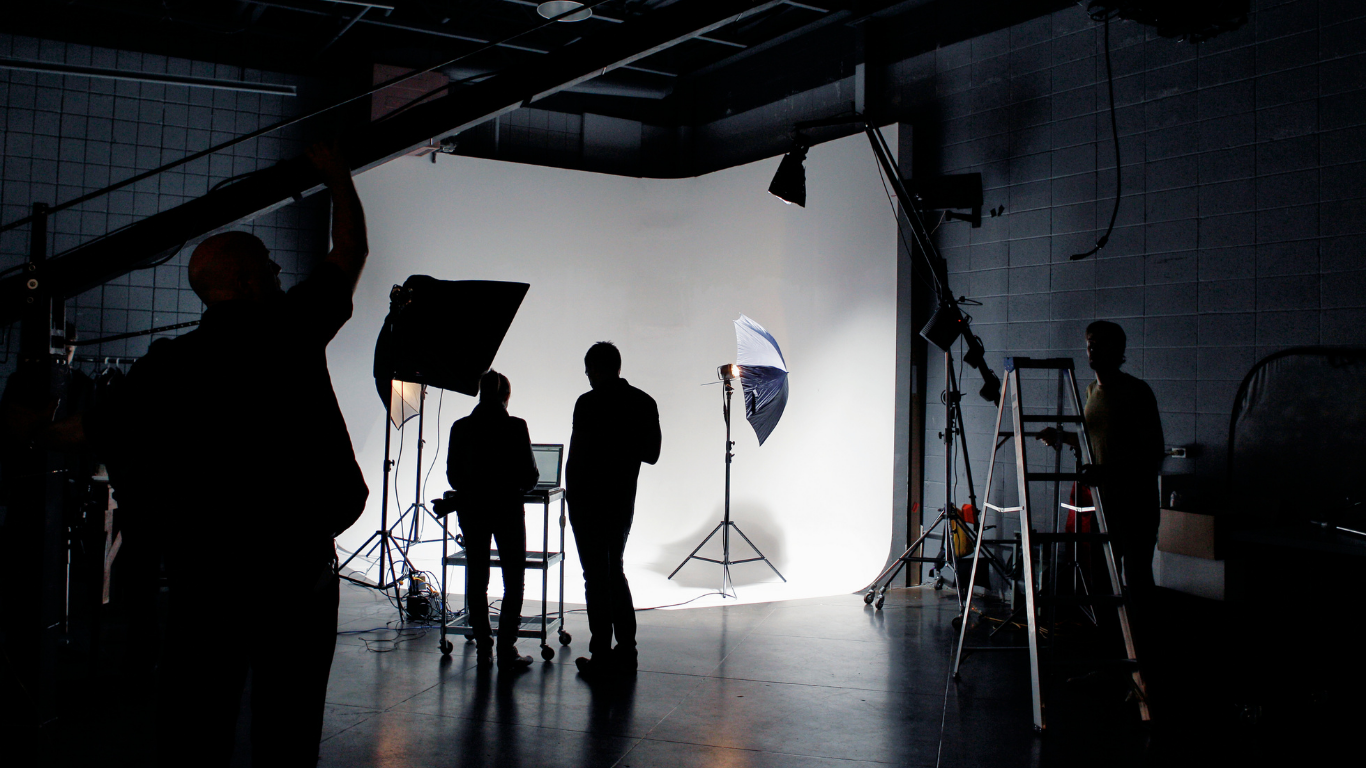
A professional portfolio session involves much more than the time spent in front of the camera.
There are real costs behind producing professional imagery: the photographer's time and expertise, professional camera and lighting equipment, studio space, preparation, editing software, insurance, shooting time and post-production. Depending on the session, there may also be styling, assistants or other professionals helping direct and shape the shoot.
The work continues after the session too. A photographer still has to review the images, select the strongest frames, color-correct and edit the final selections, process the files and prepare them for delivery.
What looks like an hour in front of the camera can represent significantly more professional time behind the scenes.
Most importantly, you're paying for expertise. The value isn't simply access to a camera or studio. It's having the right professionals, equipment, space, preparation and direction come together to create images that actually serve a purpose.
Think About It Like Any Other Activity
Parents already understand this concept in almost every other area their children pursue.
You wouldn't send a child to a gymnastics meet with no training, no practice and no leotard and expect them to compete successfully simply because they're naturally athletic. You wouldn't expect someone to perform in a dance recital without taking dance classes first.
Modeling is different, but the principle is similar.
Natural ability is valuable. Preparation matters too.
In very few professional settings do we expect someone to walk in with no practice, no experience and no understanding of what the job requires, then immediately get paid to perform it.
And unlike many childhood activities, professional modeling has the potential to become paid work. Parents routinely invest in lessons, equipment, uniforms and training for sports or activities where earning money isn't even the objective.
That doesn't mean you need to spend excessively on modeling. It simply means that investing in development isn't unusual just because the goal is eventually to get paid.
A Portfolio Session Isn't Just About the Photos
A professional portfolio session also gives aspiring talent something incredibly valuable: experience.
How does your child respond when there's a professional photographer behind the camera? Can they take direction, change expressions, create movement, repeat something that worked and stay engaged throughout the session?
For families, can you interact naturally while still responding to direction and positioning?
You don't really know until you do it.
A portfolio session creates an opportunity to learn those things in a lower-pressure environment. There isn't a major client waiting for campaign deliverables or a full production team depending on the talent to complete a shot list.
A paid commercial set ideally shouldn't be the first time someone discovers what it's like to work with a professional photographer and perform for the camera.
Children certainly aren't expected to arrive with the experience of seasoned adult models. But some familiarity with the process can make them more comfortable and prepared when a real opportunity comes along.
There's another important purpose too: we need strong materials to market talent.
Casting isn't only about recognizing someone's potential. We also need to be able to present that potential to a client. Strong portfolio imagery gives casting teams and brands a better understanding of how someone photographs, their personality and the range they may be able to bring to a campaign.
Why Not Just Hire Any Photographer?
You absolutely can arrange your own portfolio session.
But if you're going to invest in professional imagery, it's important to invest in the right imagery.
A photographer can be incredibly talented and still not specialize in commercial modeling portfolios. Family photography, weddings, editorial work and social media content all have different objectives.
Casting has different needs.
The goal isn't simply to leave with beautiful pictures.
It's to leave with useful pictures.
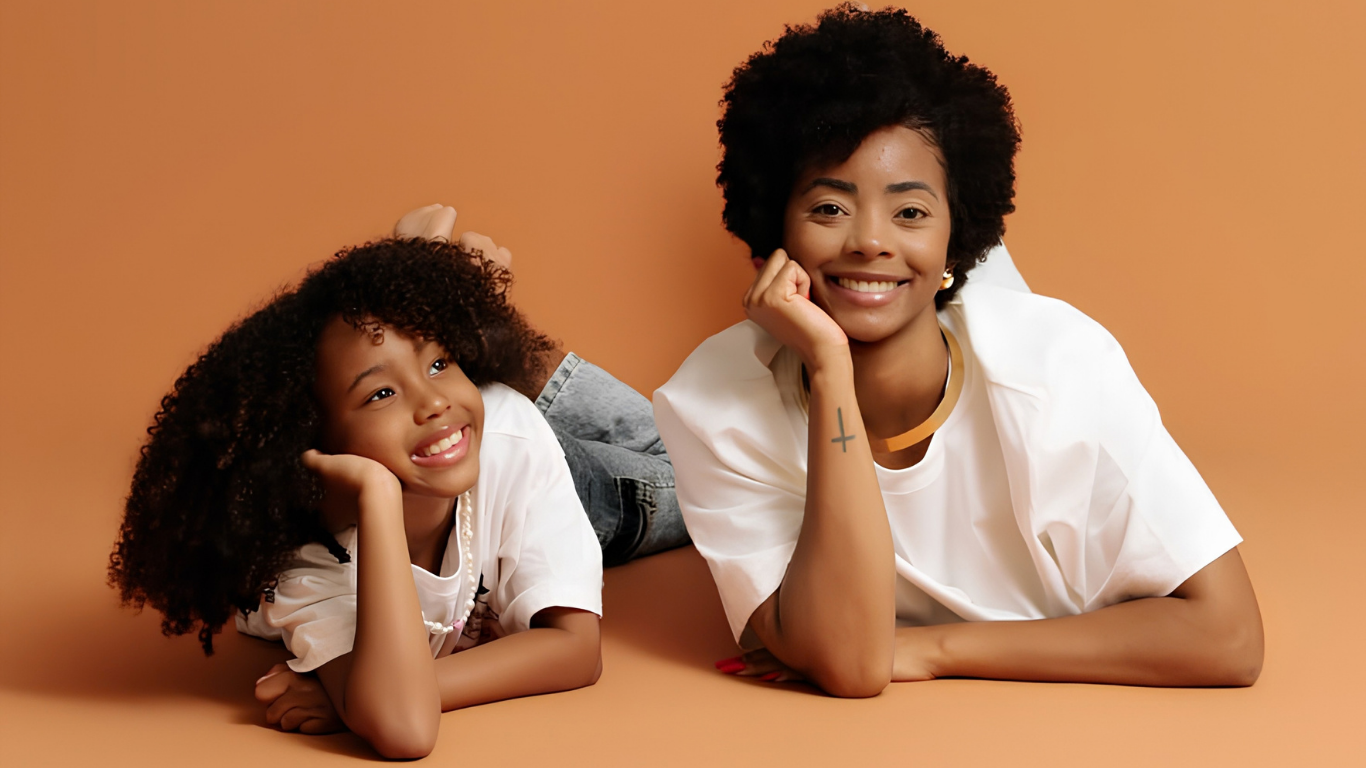
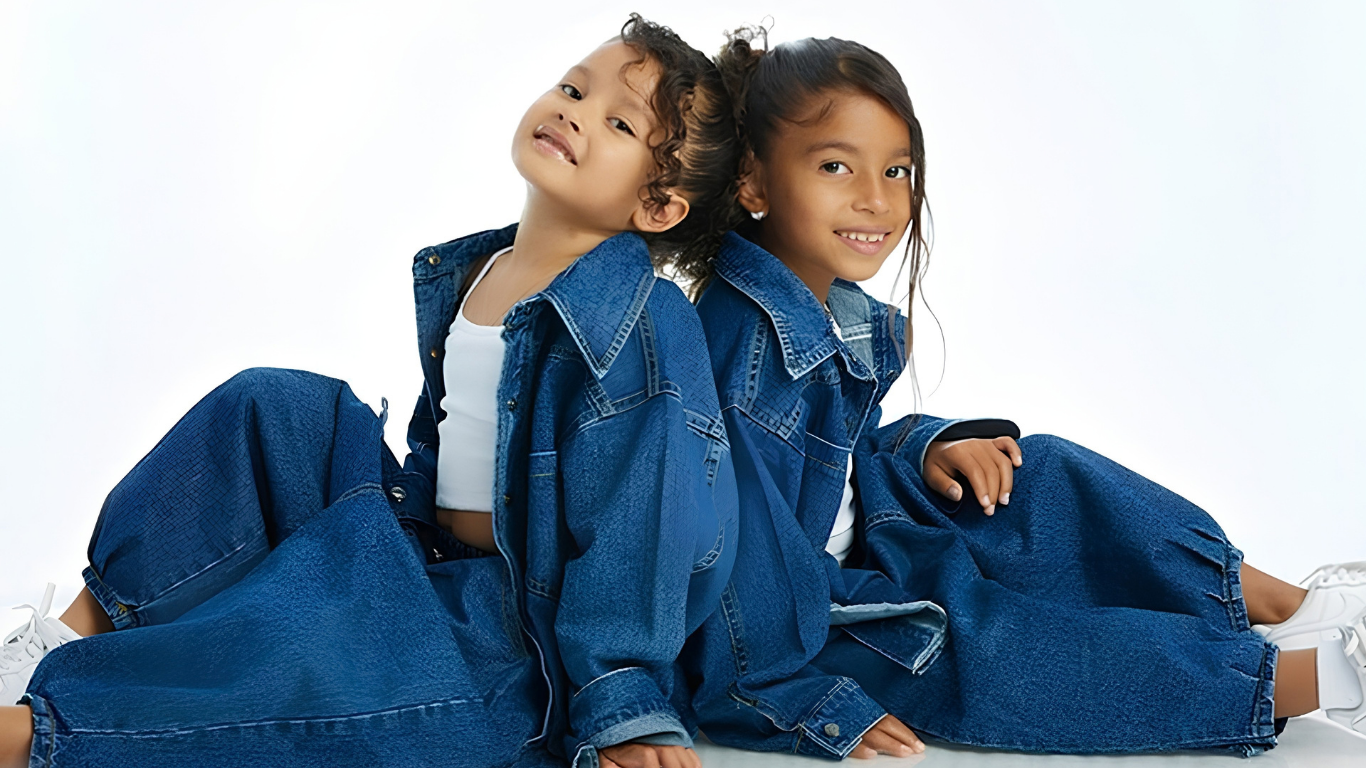
A modeling portfolio should demonstrate range and commercial potential rather than giving you ten beautiful versions of essentially the same image.
That's where guidance from people who understand casting can be valuable. We see what brands and production teams request. We see what helps us evaluate and submit talent, and we also see plenty of beautiful professional photos that simply aren't particularly useful for casting.
Sometimes a profile needs a strong commercial headshot. Sometimes it needs more personality, movement, a different expression, a clean full-body image or an entirely different side of the talent.
Professional doesn't automatically mean appropriate for casting.
If you're going to invest in a portfolio, the photographer, direction and final images should all be aligned with what the portfolio actually needs to accomplish.
Why Doesn't a Casting Agency Pay for It?
The FAM is a non-exclusive casting agency. We connect talent with opportunities on a project-by-project basis, but we aren't managing every aspect of someone's modeling career or taking an ongoing commission from everything they book.
That distinction matters.
Traditional modeling agencies don't typically mean “free portfolio development” either. Models are often responsible for their own development costs. In some agency arrangements, certain expenses, such as test shoots or comp cards, may instead be advanced and later recouped from the model's earnings.
Traditional agencies also earn commissions on the work they facilitate, so the financial relationship is different. The exact structure varies by agency and contract, which is why models and parents should understand what is being paid for, what may later be deducted and what commissions or other fees apply.
With The FAM, there is no ongoing commission taken from your modeling career and no requirement that you pursue opportunities exclusively through us.
When you invest in professional portfolio development, you're investing in your own professional materials.
Subject to the photographer's licensing terms, those images can become part of the portfolio you use to promote yourself and pursue opportunities through The FAM or elsewhere. They also give us stronger material to work with when we're presenting you for appropriate opportunities.
The investment isn't designed to tie you to us. It's designed to help you build something useful for yourself.
So, Does Everyone Need a Professional Portfolio?
Not on day one.
Professional portfolio photography isn't a fee to join The FAM, and purchasing a session never guarantees bookings.
Clean, current digitals are enough to get started, and in some cases they may even be enough to book a job.
But getting started and continuing to develop are two different things.
As you're being considered alongside talent with strong, well-rounded portfolios, professional imagery can become increasingly valuable. The photos you receive from an eventual booking can help build your body of work, but campaign images aren't always designed to function as the primary headshot or portfolio image a casting team needs when evaluating you for the next job.
That's why professional portfolio development can become an important investment as you become more serious about modeling.
That doesn't mean you need an enormous portfolio or an elaborate production, and spending more money doesn't automatically mean better results.
You need useful, current imagery created with a clear purpose.
What Are You Really Investing In?
A good portfolio session gives you more than a folder of photographs.
You're building professional materials that can help market you. You're gaining experience in front of the camera. You're learning how you or your child responds to professional direction. And you're discovering strengths and areas that may still need development.
That's why we think of professional portfolio development as exactly that: development.
You don't need everything on day one.
Start with strong digitals. Build intentionally. Practice. Gain experience. Update your materials as you grow.
Digitals help us see you. Your portfolio helps us market you. Experience helps you deliver when the opportunity comes.
Ready to Build Your Portfolio?
The FAM periodically creates professional portfolio development opportunities designed specifically around the needs of commercial talent.
Unlike simply booking a general photography session, these opportunities are curated with casting in mind, from the professionals we work with to the types of images we're looking to create.
Participation is always optional, and the images are intended to strengthen the professional materials you're building for yourself.